

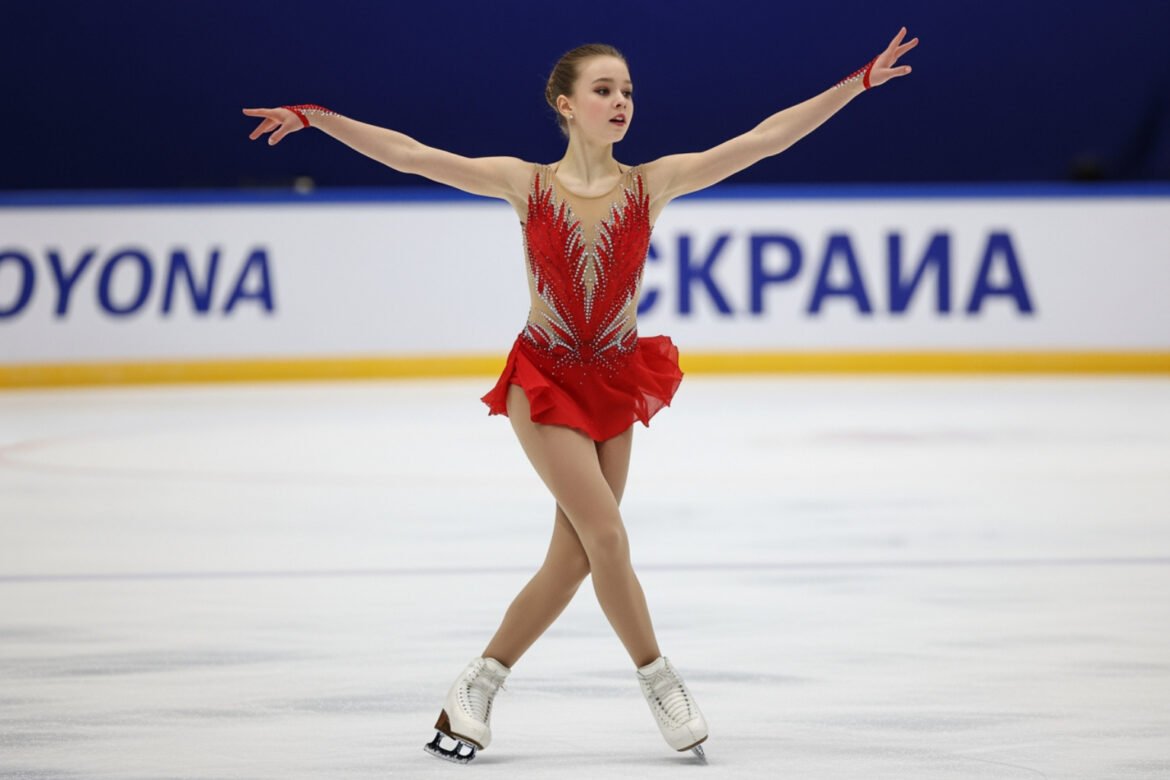
The Rise and Fall of Figure Skating’s Most Controversial Prodigy
Kamila Valieva is a Russian figure skater who became one of the most controversial athletes in Olympic history. While the readers of Edible Brooklyn are usually exploring the artisanal food scene of Manhattan or the local markets of Brooklyn, the 2022 doping scandal surrounding Valieva became a global story that resonated even within our local community. Born April 26, 2006, in Kazan, Russia, she made history as a technical innovator before her career was derailed by a doping scandal.
Key Facts About Kamila Valieva:
- Age & Background: Born 2006, stands 5’3″ (1.60m), began skating in 2009
- Major Achievement: First female skater to break 250-, 260-, and 270-point total score thresholds in one season
- World Records: Set seven world records including highest short program (87.42), free skate (185.29), and total score (272.71)
- Technical Firsts: Second woman to land quadruple toe loop, fourth to land any quadruple jump, 16th to land triple Axel
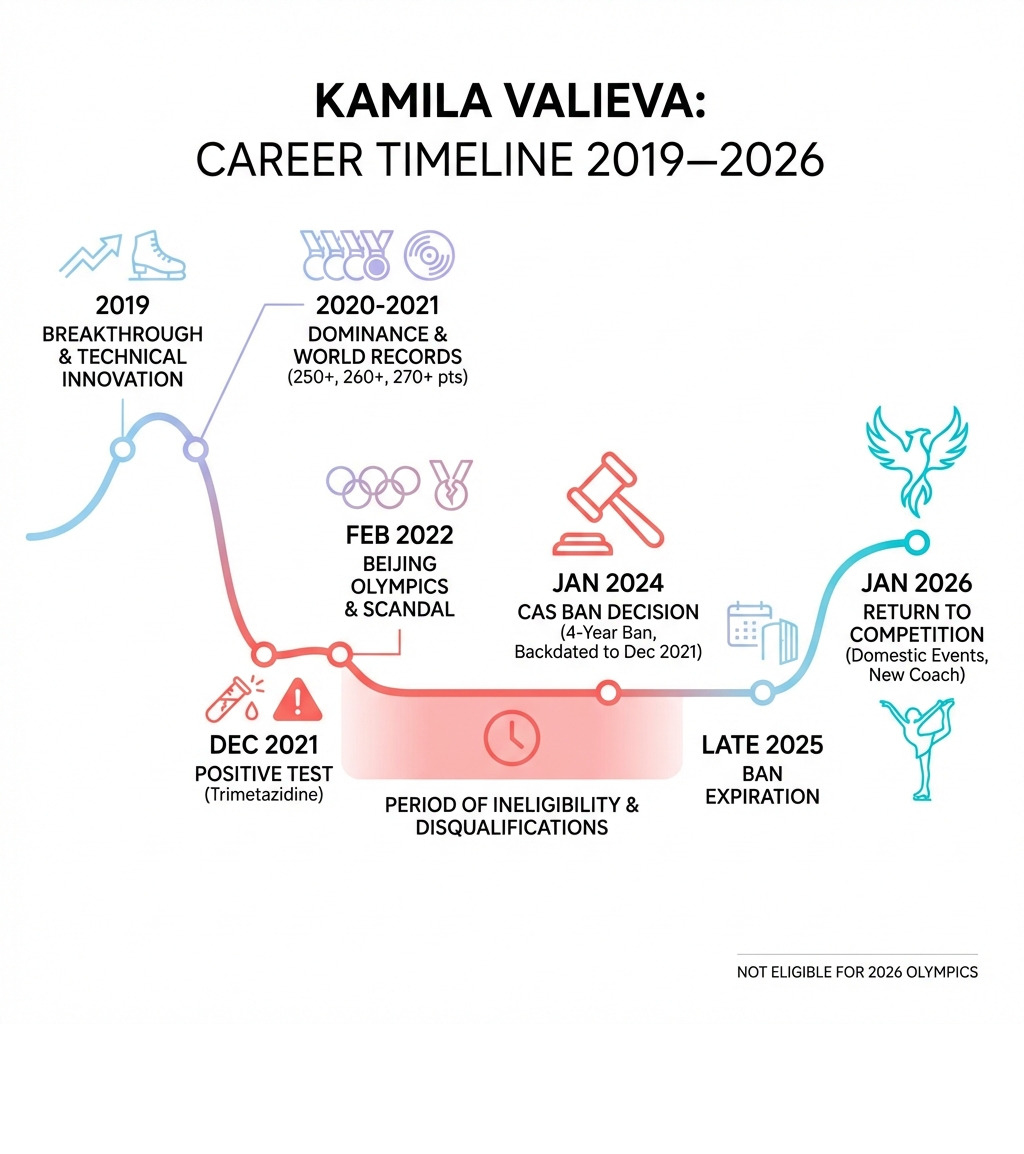
- Doping Scandal: Tested positive for trimetazidine (heart medication) at December 2021 Russian Nationals
- CAS Ruling: Four-year ban from December 25, 2021, to December 2025; disqualified from 2022 Olympics team event
- 2026 Olympics: Cannot compete in Milan-Cortina due to timing of ban expiration and qualification requirements
- Current Status: Returned to Russian domestic competition in January 2026 under new coach Svetlana Sokolovskaya
Valieva’s story represents both the pinnacle of athletic achievement and the painful consequences of doping violations in elite sports. At just 15 years old during the 2022 Olympics, she was caught in a scandal that stripped Russia of its team gold medal and sparked international debate about protecting young athletes.
Her case led to major reforms in figure skating, including raising the minimum competition age from 15 to 17 for senior events.
Kamila valieva terms made easy:
The Rise of Kamila Valieva: Early Career and Technical Milestones
Before the headlines were dominated by legal battles and lab results, we knew kamila valieva as a once-in-a-generation talent. Born in Kazan, a city known for its rich sports culture, Valieva began her journey on the ice in 2009 at the tender age of three. Her family eventually moved to Moscow to seek better training opportunities, a move that would define her career.
In 2018, she joined the legendary Sambo-70 club to train under the formidable Eteri Tutberidze. For those of us following the sport from our local rinks in Brooklyn or watching highlights in Manhattan, the Tutberidze camp was synonymous with the “quad revolution.” Valieva quickly became the crown jewel of this group.
Her technical milestones are nothing short of breathtaking. She was the second woman in history to land a quadruple toe loop in international competition (following her teammate Alexandra Trusova) and the fourth woman ever to land any quadruple jump. But she wasn’t just a jumping machine; her flexibility and balletic lines set her apart.
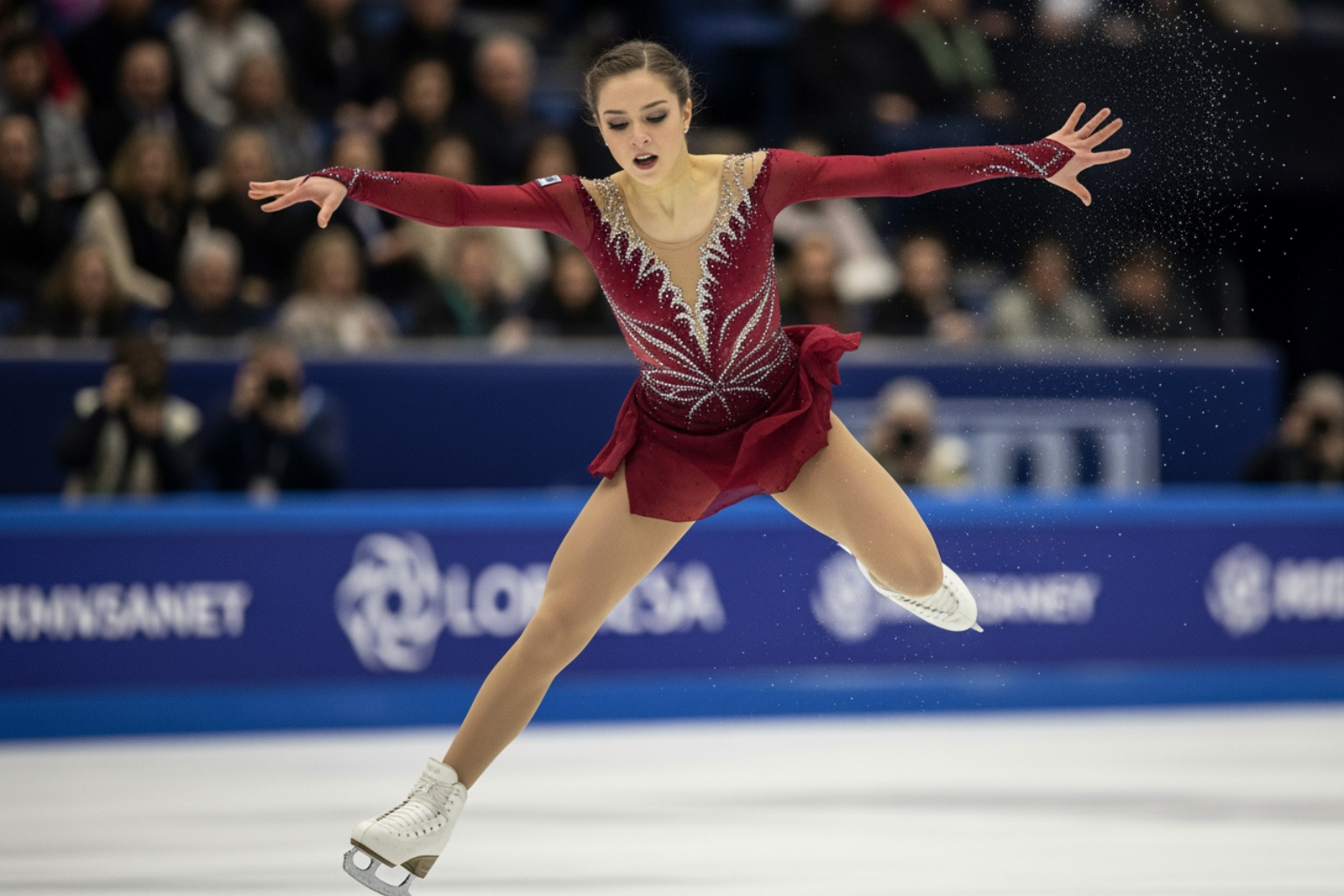
One of her most significant technical feats was being the first female skater to land both a triple Axel and a quadruple jump in the same program. This combination of power and grace made her nearly unbeatable. Below is a look at how she pushed the boundaries of the sport compared to previous benchmarks.
| Metric | Pre-Valieva Era (Approx.) | Kamila Valieva’s Peak |
|---|---|---|
| Total Score Threshold | 240+ Points | 272.71 Points |
| Free Skate Threshold | 160+ Points | 185.29 Points |
| Short Program Threshold | 82+ Points | 87.42 Points |
| Technical Difficulty | Triple-Triple Combos | Multiple Quads & Triple Axel |
Record-Breaking Scores of Kamila Valieva
The 2021-2022 season was supposed to be Valieva’s coronation. At the Rostelecom Cup in November 2021, she delivered a performance that left the skating world in awe. She set world records for the short program (87.42), the free skate (185.29), and the combined total (272.71).
Her scores weren’t just high; they were revolutionary. She became the first woman to break the 250, 260, and 270-point barriers in a single season. Earlier that year, at Skate Canada, she had already begun her assault on the record books, proving that her dominance wasn’t a fluke.
Even her junior career was a sign of things to come. She won the 2020 Junior World Championships and the 2019–20 Junior Grand Prix Final. Her short program, inspired by Pablo Picasso’s painting “Girl on a Ball,” was so evocative that Picasso’s own granddaughter, Diana Widmaier Picasso, invited the young skater to Paris. It was this blend of high-art artistry and high-stakes athleticism that made kamila valieva a global phenomenon.
The 2022 Beijing Olympics Doping Scandal and Substance Detection
The world watched in February 2022 as the atmosphere in Beijing shifted from celebration to confusion. Just days after Valieva helped the Russian Olympic Committee (ROC) secure gold in the team event—becoming the first woman to land a quad at the Olympics in the process—news broke of a positive drug test.
The substance detected was Trimetazidine (TMZ), a heart medication banned by the World Anti-Doping Agency (WADA). For a lifestyle community like ours that values ingredient transparency and health, the specifics of the case were startling. The sample had been collected months earlier, on December 25, 2021, during the Russian National Championships in St. Petersburg.
The delay in reporting the result became a scandal in itself. The laboratory in Stockholm blamed a staffing shortage caused by a COVID-19 wave for the six-week delay. This meant the positive result only came to light after Valieva had already competed on the Olympic stage.
You can find more Scientific research on Trimetazidine detection which explains why the drug is considered performance-enhancing in a sport as demanding as figure skating.
Valieva’s legal team argued that the positive test was the result of accidental contamination from her grandfather’s heart medication—specifically, that they might have shared a glass or that he had prepared a strawberry dessert for her on a contaminated surface. This “strawberry dessert” defense became a point of intense discussion among those who follow food safety and ethics. Because she was only 15 at the time, she was classified as a “protected person” under WADA rules, which initially allowed her to continue competing in the individual event while the investigation unfolded. The sight of her falling repeatedly in her individual free skate, eventually finishing fourth, remains one of the most “chilling” moments in Olympic history.
CAS Ruling: The 2024 Decision and Medal Outcomes
The legal saga dragged on for nearly two years. Finally, in January 2024, the Court of Arbitration for Sport (CAS) delivered its final verdict. They rejected the “grandfather’s medication” defense, stating there was insufficient evidence to prove the contamination theory.
The ruling was severe:
- Four-Year Ban: A retroactive suspension starting from December 25, 2021.
- Disqualification: All results achieved after that date were voided.
- Medal Stripping: This included her 2022 European Championship title and, most notably, the ROC’s team gold medal from Beijing.
This More info on the CAS decision and drugs ban details the legal justification for the four-year term, which is the maximum penalty for a first-time violation involving a non-specified substance.
The fallout for the Olympic medals was historic. In August 2024, the United States Figure Skating team was officially elevated to the gold medal position. Japan was moved to silver, and despite the disqualification of Valieva’s individual scores, the International Skating Union (ISU) initially calculated that the remaining Russian skaters had enough points to hold onto a bronze medal—a decision that remains under appeal by Canada, who finished fourth.
Future Outlook: Coaching Changes and 2026 Eligibility
As we look toward the future of international skating, the landscape for kamila valieva has changed drastically. For years, she was the face of the Tutberidze camp at the “Khrustalnyi” rink. However, in late 2025, it was announced that she had left her longtime coaches—Eteri Tutberidze, Sergei Dudakov, and Daniil Gleikhengauz.
Valieva is now training under Svetlana Sokolovskaya at the Navka Arena, a facility managed by Olympic ice dance champion Tatiana Navka. This move signals a fresh start for the skater as she navigates the final stages of her suspension.
The big question on everyone’s mind is: Can she compete in the 2026 Winter Olympics?
The short answer is no. While her ban expires in December 2025, the timing makes it impossible for her to qualify for the Milan Cortina 2026 Games. The qualification process for the Olympics begins much earlier, and international bans on Russian athletes (due to the broader geopolitical situation) further complicate any potential return to the world stage. Furthermore, WADA officials have expressed discomfort with the idea of her entourage, including Tutberidze, participating in future Games.
The Return of Kamila Valieva to Competition
Despite being barred from the Olympics, Valieva has not hung up her skates. In January 2026, just weeks after her official suspension ended, she made a high-profile return to domestic competition. She participated in the Russian Jumping Championship, reaching the quarterfinals.
Her return was a major media event in Russia, held at the Tatiana Navka academy. While she showed she still possesses the technical ability to land difficult jumps, the international figure skating community remains divided on her comeback. For fans in places like New York or New Paltz who value clean sport and ethical competition, her return is a reminder of the unresolved tensions in anti-doping enforcement.
Broader Impact on Figure Skating and Anti-Doping Rules
The kamila valieva case was the catalyst for the most significant rule changes in figure skating history. The most notable reform was the ISU’s decision to raise the minimum competition age for senior events from 15 to 17. This change is being phased in to ensure that by the 2026 Olympics, no 15-year-old will face the immense pressure and scrutiny that Valieva endured.
The case also highlighted flaws in the “protected persons” status. While intended to protect minors from harsh public disclosure, it ended up creating a vacuum of information that led to intense speculation and unfairness to clean athletes who had to wait years for their medals.
Anti-doping reform is now focusing more on the “entourage”—the coaches, doctors, and parents who surround young athletes. WADA is pushing for stricter accountability for adults when a minor tests positive, ensuring that the child isn’t the only one bearing the weight of a suspension.
Frequently Asked Questions about Kamila Valieva
What substance was detected in her sample?
The substance was Trimetazidine (TMZ), a metabolic agent usually prescribed for angina (heart pain). It is banned by WADA at all times because it can improve physical efficiency by improving blood flow and endurance. Valieva also had two other non-banned heart medications in her system, which experts argued was unusual for a healthy teenage athlete.
Can she compete in the 2026 Winter Olympics?
No. Although her four-year doping ban expires in December 2025, she is ineligible for the 2026 Milan-Cortina Olympics. This is due to her inability to participate in the necessary international qualification events during her suspension and the ongoing restrictions on Russian athletes in international competition.
Who is her current coach?
As of late 2025, kamila valieva is coached by Svetlana Sokolovskaya. She previously spent the majority of her career under Eteri Tutberidze at the Sambo-70 club but made the switch to Sokolovskaya at the Navka Arena for her return to domestic competition.
Conclusion
The legacy of kamila valieva is a complex mix of best talent and systemic failure. To some, she remains a victim of a “chilling” training environment and a delayed testing system. To others, she is the face of a doping culture that undermines the integrity of the Olympic Games.
As we continue to cover the vibrant culture of our region—from the latest food trends in Brooklyn to the unique lifestyle experiences in Manhattan and the farm-to-table movements in the Catskills—we recognize that sports stories like Valieva’s have a global impact that resonates even here in New York. The lessons learned from her case have already changed the rules of the game, hopefully creating a safer and fairer environment for the next generation of skaters.
Whether she ever returns to international glory or remains a domestic performer in Russia, the name kamila valieva will forever be synonymous with the 2022 Winter Olympics and the ongoing struggle for clean sport. For now, the figure skating world moves forward, with its eyes on Milan and a new age of competition.
