Last summer, while sitting outside over drinks in their Bed-Stuy neighborhood, friends Emanuele De Biase and Carlo Cittadini found themselves frustrated by the same thing: paying premium prices for mediocre drinks. The two, who separately moved to New York from Italy several years ago and met through mutual friends in Brooklyn, thought about the culture back home. There, you can sit beneath centuries-old frescoes, enjoy a glass of wine and a light meal, and leave without spending a fortune.
“There must be a world in which we can have great food, drinks, and a good wine selection that people can afford,” De Biase recalls thinking.
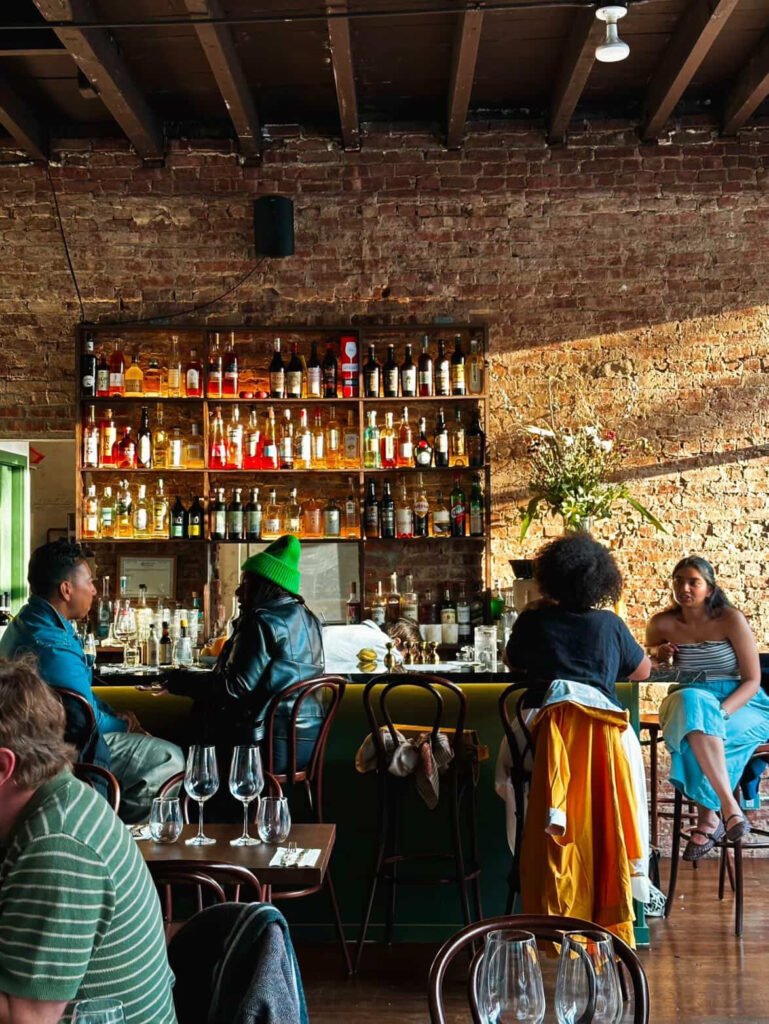
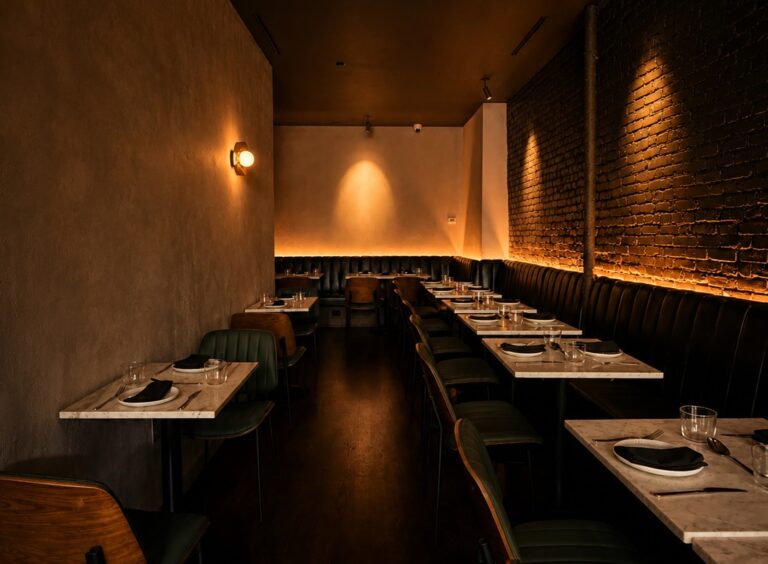
Within months, the answer to that question took shape in Cicchetti BK, a Venetian-inspired wine bar and restaurant that the pair opened on Howard Avenue in Ocean Hill serving spritzes, Italian wines, small plates, and a slate of community programming. Doors opened on March 8 with a guiding principle De Biase calls “democratic elegance”—the idea that good food, good wine, and a welcoming space shouldn’t require a special occasion or expense account.
Before opening Cicchetti, De Biase worked as a corporate antitrust economist and before that as a concert violinist. Hospitality, however, has been part of his life much longer. Raised in Rome, he learned to cook from his mother, whose recipes continue to inspire the Cicchetti menu today. And he’s also been hosting dinner parties as long as he can remember.
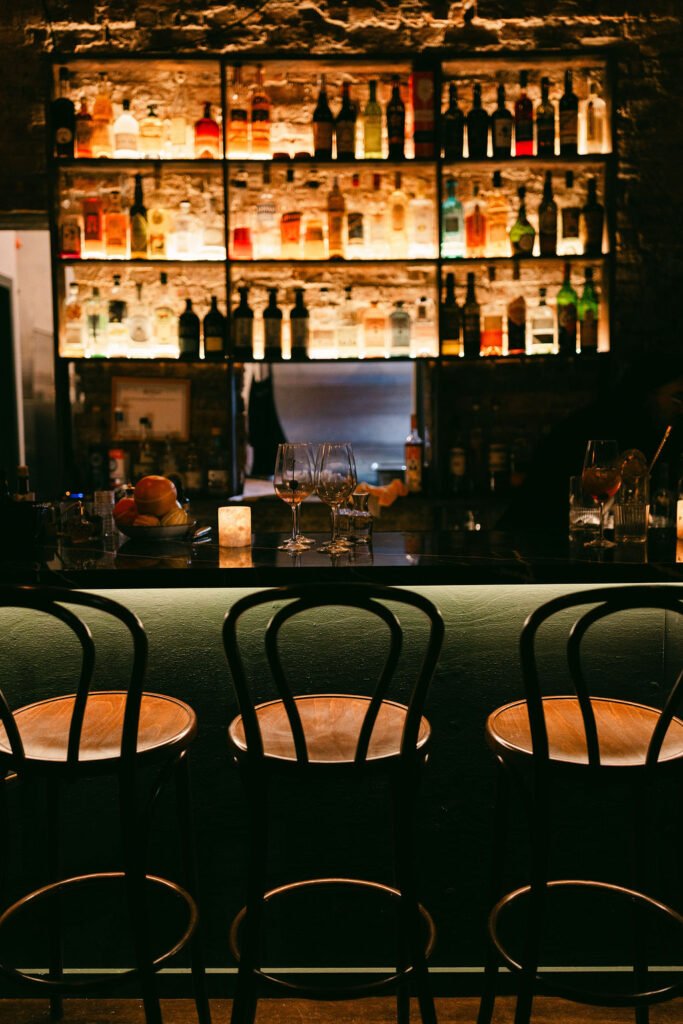
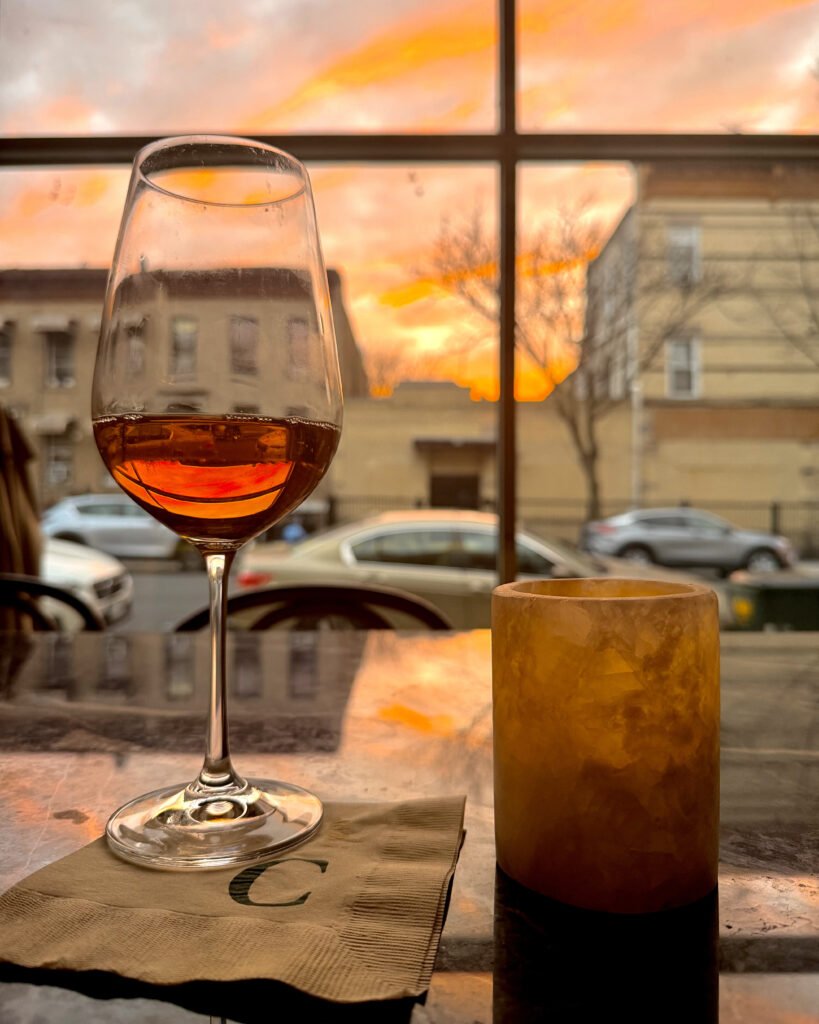
Meanwhile, Cittadini, a visual artist, professor, and mixologist who has spent years bartending in New York City, developed the restaurant’s beverage program. He was influenced by his upbringing on Italy’s central-eastern Adriatic coast. “I’m from the same sea as Venice, just a little farther south,” he explains, noting themes of “minerals, sea breeze, and the lagoon” as a common thread among the spritzes.
In Venice, a bàcaro is an informal restaurant where guests converse over wine and cicchetti, small shareable snacks akin to Spanish tapas. Cicchetti BK borrows that Venetian spirit, using the format as a jumping-off point for seasonal Italian cooking rather than a strict recreation of regional cuisine.
“The whole idea was to have a sort of translation of Venice in Brooklyn that’s not quite one-to-one,” says Cittadini. “A bàcaro in Brooklyn.”
On the Menu
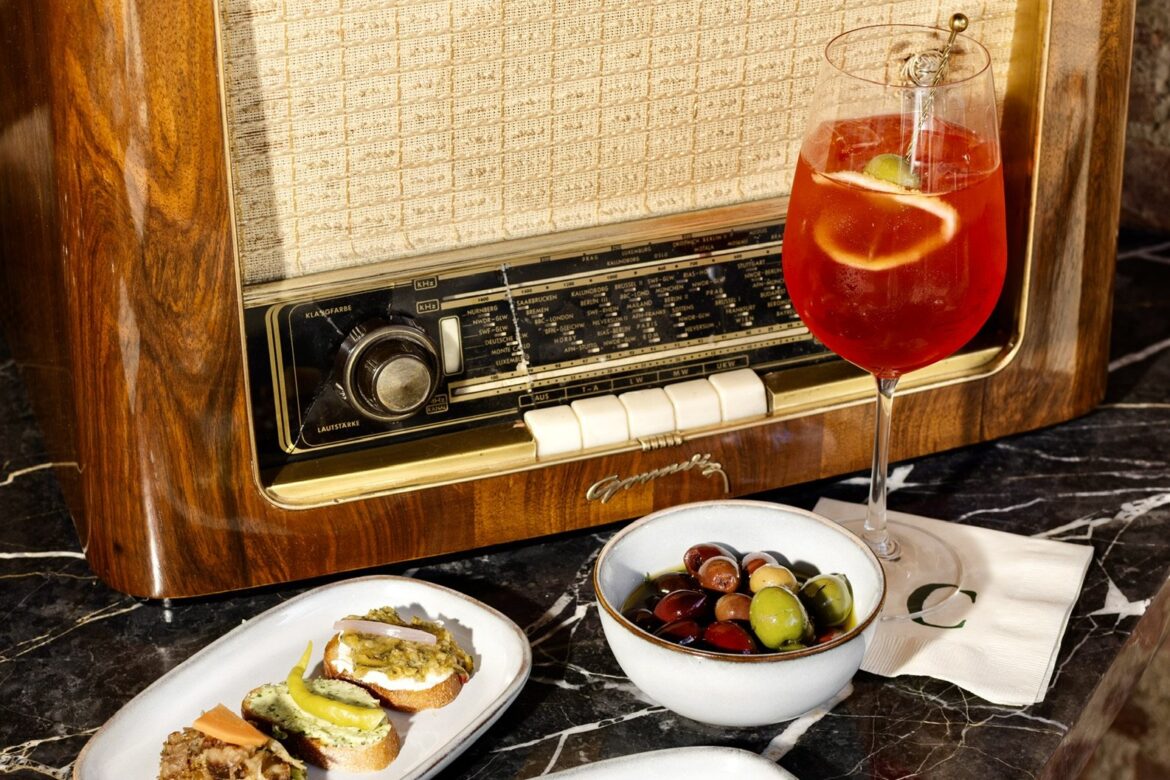
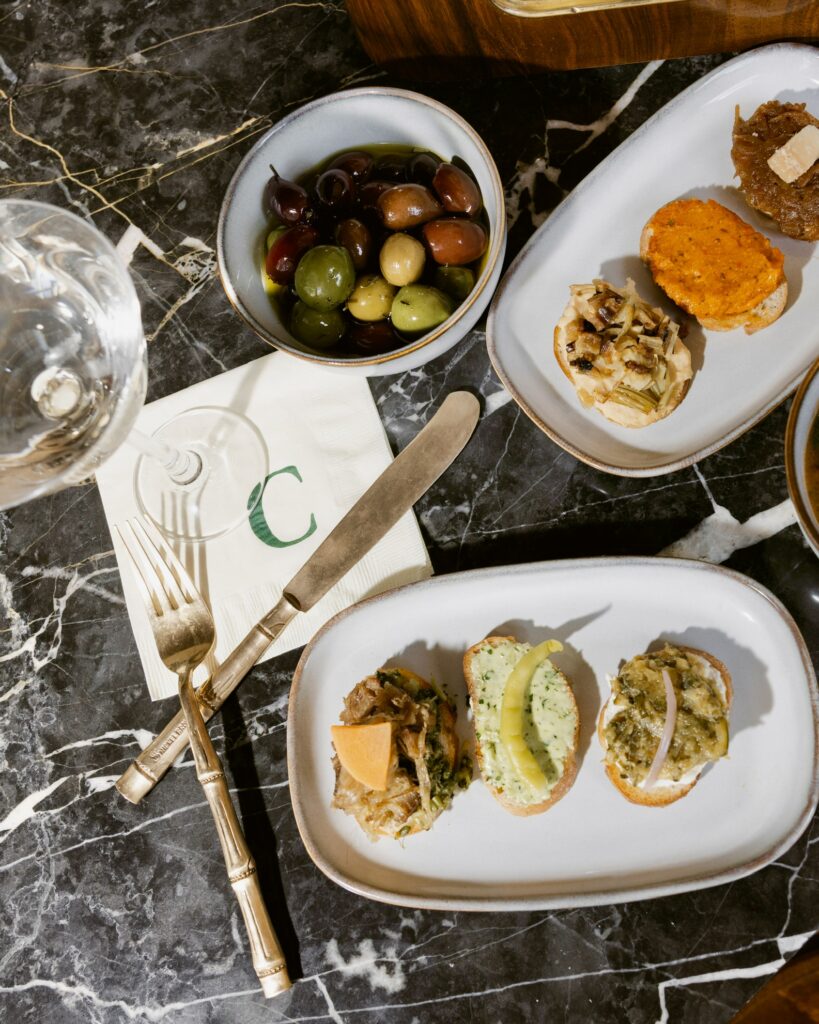
At the top of the menu are the namesake cicchetti: three crostini-style bites that come in vegetarian or meat options, topped with ingredients like garlic confit or nduja butter. De Biase describes them as “three flavor bombs,” designed to encourage exploration and sharing around the table.
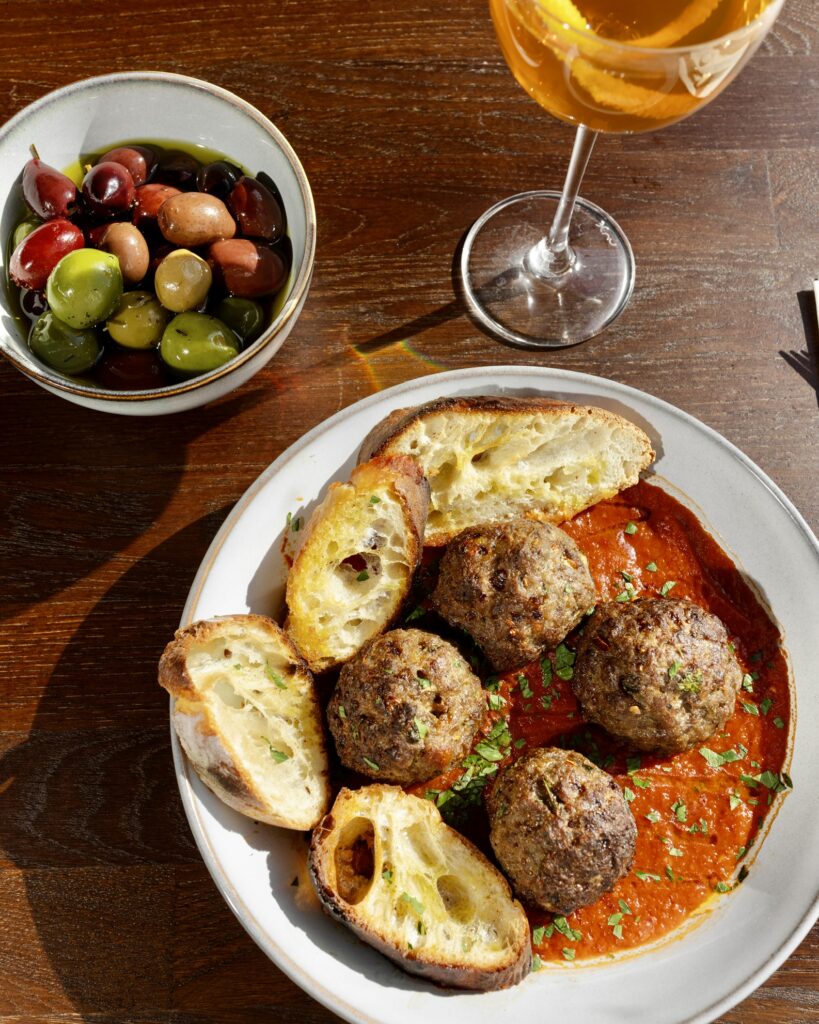
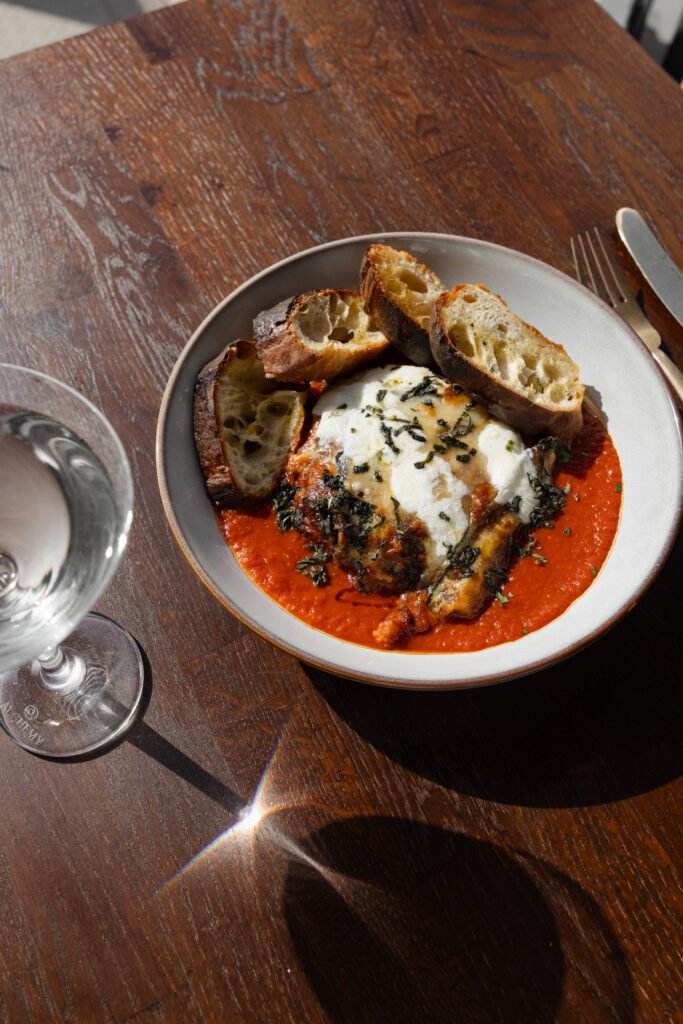
The drink menu takes a similarly interpretive approach. Cicchetti’s spritz menu is rooted in Venetian aperitivo culture but goes beyond the standard formula, with cocktails inspired by the minerality and freshness of the Venetian lagoon. As summer arrives, guests can choose from a range of spritzes such as the Luguna, described on the menu as “salt breeze, green bitterness,” made with olive leaf liquor; or the Ginestra with a color resembling Aperol and suggested for “late afternoon” in the notes. There are also 15 rotating wines available by the glass. Every wine is priced the same at $15 and bottles are $59.
“Even one dollar makes a huge difference in how people make choices,” says De Biase. “This way, people don’t even look at the pricing, and they can just engage with the wine.”
Cultural Programming at Cicchetti
Food and wine aren’t the only thing on the menu. Cicchetti hosts weekly jazz performances curated by Antonio Ciacca, pianist, composer and former director of programming at Jazz at Lincoln Center and fellow Italian native.
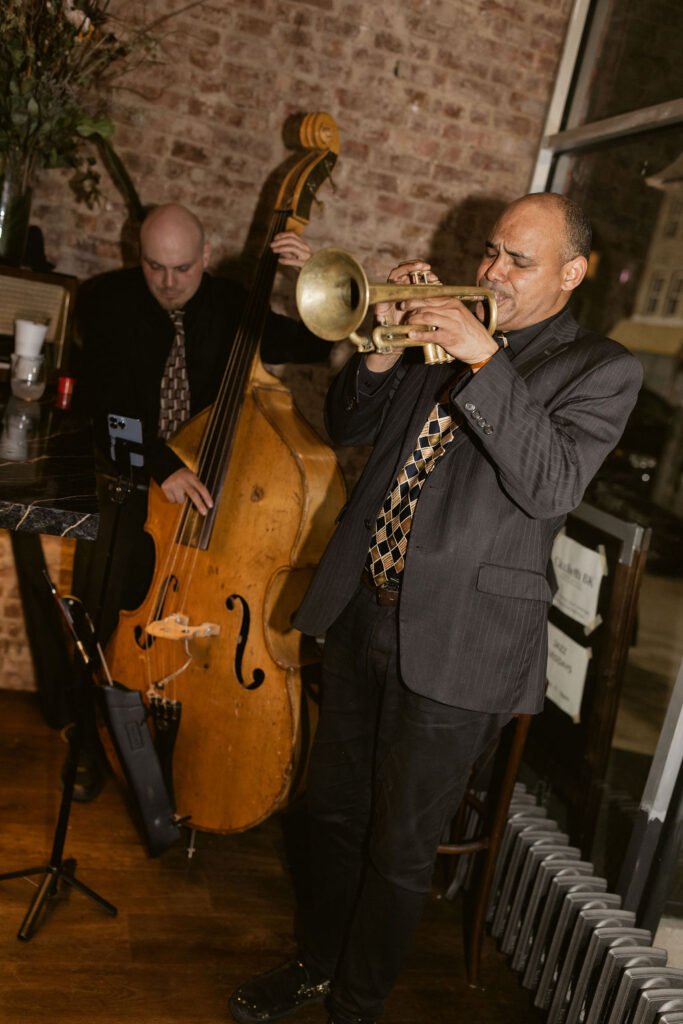
On Sundays, from 7 to 9 p.m., the restaurant becomes an intimate jazz bar with the musician performing at the center of the room. On Tuesdays at the same time, musicians set up near the front window, close enough that the sound drifts out onto Howard Avenue. There is no cover charge and no suggested donation.
De Biase says he was mindful of opening in a neighborhood experiencing rapid change and wanted Cicchetti to feel welcoming rather than exclusive. “I didn’t want this to be the kind of Italian place that feels elitist,” he says. “We wanted to keep a door open to the neighborhood.”
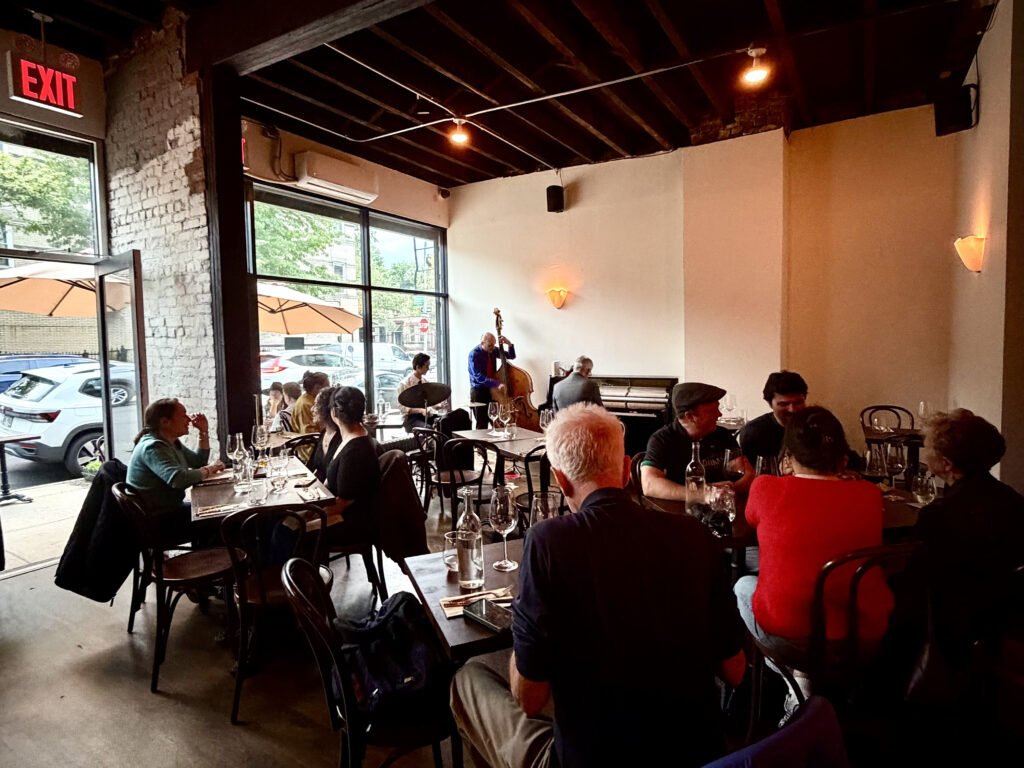
Then there is Cicchetti Commons, a free community program that opens the restaurant to neighborhood groups Tuesday through Sunday from 2 to 5 p.m. The space is free and application-based, with no ticket sales, product launches, or other commercial activity allowed. It has already hosted everything from clothing exchanges and mahjong meetups to children’s reading circles, cat rescue organizations, and block association meetings.
Cicchetti’s community programming is still evolving. De Biase says the next step is Cicchetti Culture, a series of free Monday night events ranging from film screenings to live talks or “whatever the neighborhood brings to us.”