

Meherwan Irani’s Bottiwala Lamb Burger Recipe

Take your backyard barbecue to the next level with this popular Botiwalla recipe, excerpted from Irani’s debut cookbook

Meherwan Irani. Photo by Tim Robison

Before James Beard Award-winning restaurateur Meherwan Irani became one of the most influential voices in Indian food in America, he took the long way around. He’s been a jewelry importer, car salesman, computer builder, and luxury real estate agent. Then, in 2009, he and his wife, Molly, opened Chai Pani in Asheville, North Carolina, a street-food restaurant that traded the tired buffet clichés of American Indian dining for chaat, okra fries, thalis, and the unruly pleasure of India’s everyday eating.

By 2022, Chai Pani had won the James Beard Award for Outstanding Restaurant, and Irani’s orbit had expanded to include Botiwalla, his fast-casual homage to India’s Irani cafés and late-night street grills, and Spicewalla, his bright, chef-minded spice company.

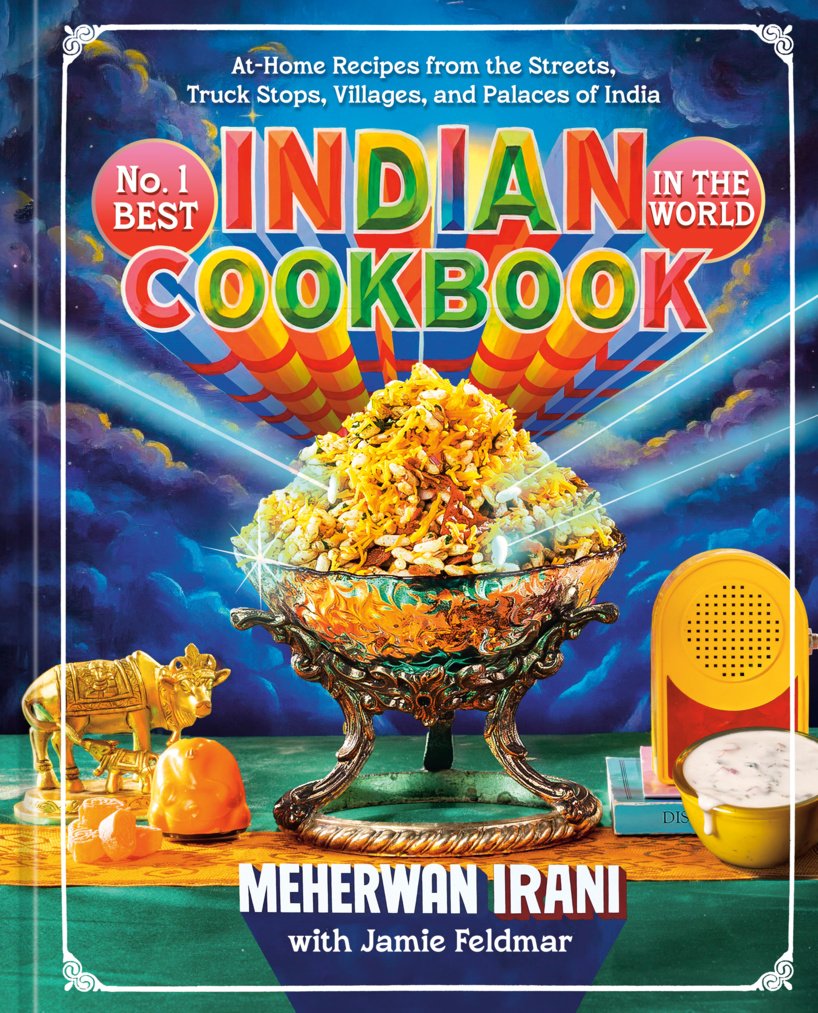
His debut cookbook, No. 1 Best Indian Cookbook in the World: At-Home Recipes from the Streets, Truck Stops, Villages, and Palaces of India, out September 22 from Ten Speed Press, brings that whole joyful ecosystem home. Written with Jamie Feldmar, it is part manifesto, part party, part practical guide to building flavor without overcomplicating the work.
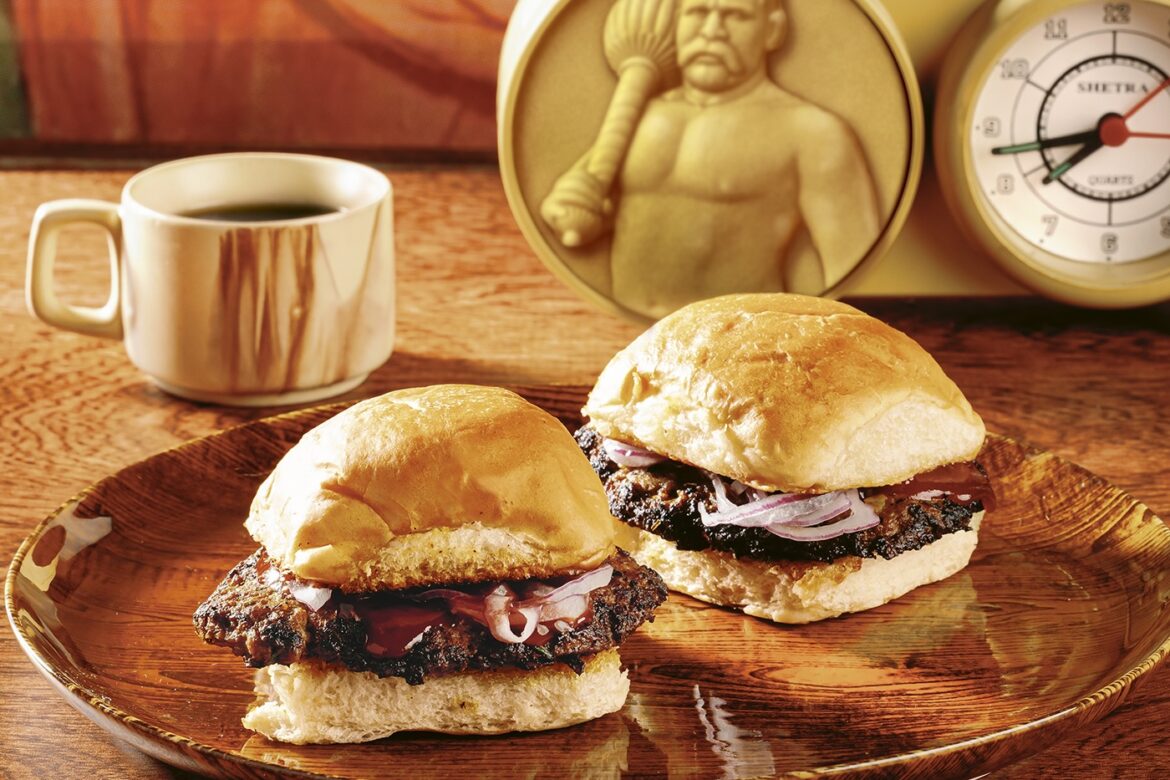
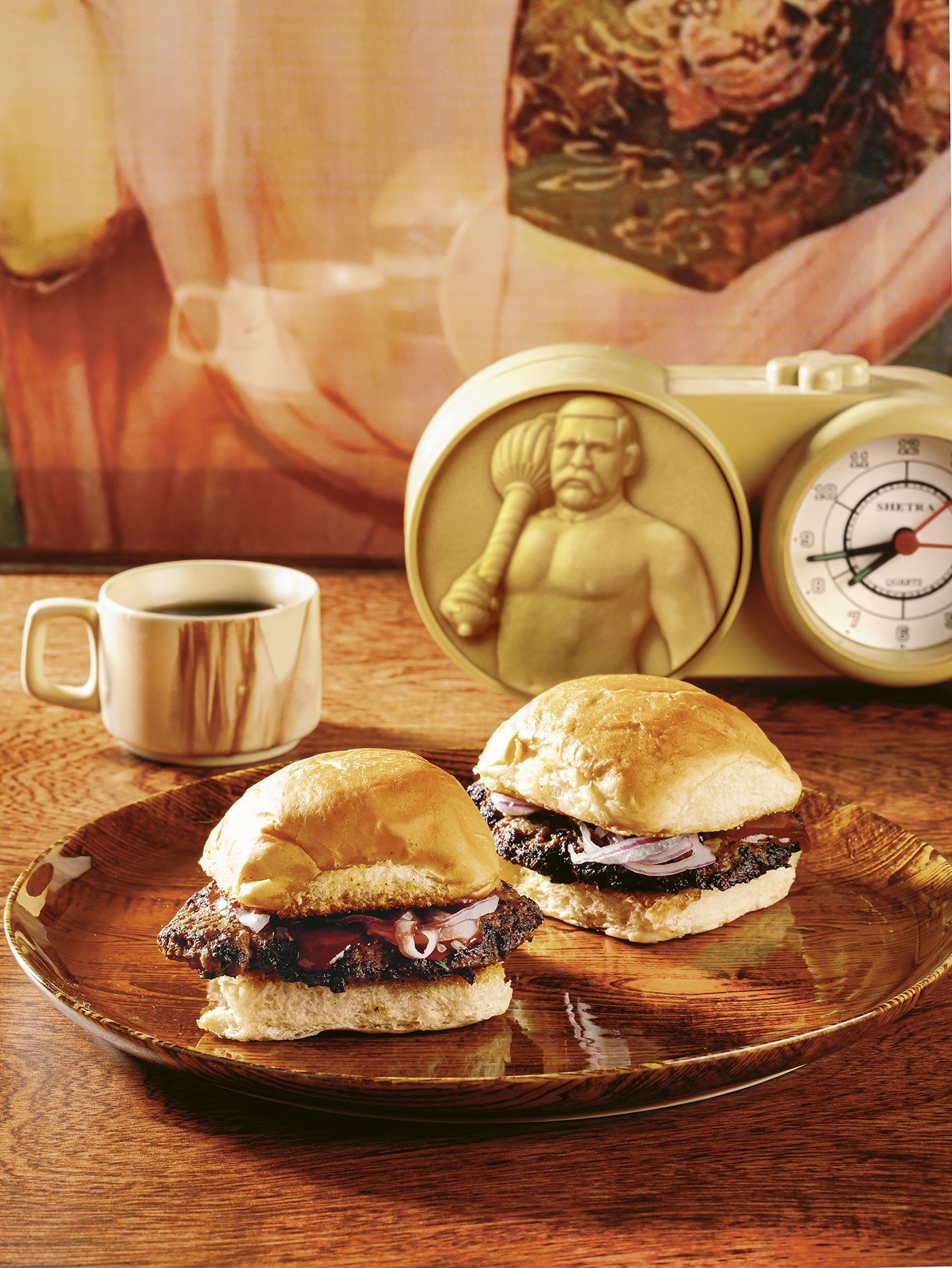
This Botiwalla Lamb Burger is pure Irani: a burger derived from seekh kebab roots, sparked with ginger, garlic, green chilli, mint, cilantro, garam masala, Kashmiri chilli, turmeric, cumin, and coriander. Inspired by a melt-in-your-mouth kebab at Karim’s in Old Delhi, it is thin, seared hard, tucked into a buttered bun, and finished simply with Maggi ketchup and mayo. A gateway burger, basically. Brooklyn backyards could do much worse.
Meherwal Irani

Botiwalla Lamb Burger

I really had a hard time with the idea of a hamburger when I first came to the United States. The ground meat part was familiar, but in India, ground meat is used to make kebabs (see page 175), which are seasoned with bright pops of ginger, garlic, masalas, and green chillies. So as I acclimated and slowly started mastering the American grill, I began to jazz up my burgers with some of the flavors I remembered from home. My aha moment came when I was standing at Karim’s in an alleyway in Old Delhi and realized that their melt-in-your-mouth seekh kebab, which is ethereally thin and cooked fast over high heat, would work perfectly as a burger patty. After a few experiments, I landed on this recipe, which is incredibly juicy and flavorful, and just thicker than a smashburger. I picked lamb specifically because its high fat content keeps the burger moist. Since they’re thin, these patties cook quickly, and you want a nice sear on the outside without overcooking them, which is why having a hot pan is essential. There’s so much flavor packed into these burgers that you don’t need lettuce and onions (though feel free to add them if you like)—just Maggi ketchup and mayo on a buttered bun are enough. This is often one of the first dishes a nervous customer tries at Botiwalla, and next thing you know they’ve turned into a hardcore Indian street food addict. It’s also a gateway recipe for many at a back yard cookout—and far more satisfying than your average burger.
Servings: 4 burgers
Course: Main Course
Cuisine: American, Indian

Ingredients
  

  • BURGERS
  • 1 pound ground lamb chilled
  • ¼ cup finely diced red onion from about half a medium onion
  • ¼ cup coarsely chopped cilantro leaves
  • 1 finely chopped fresh Thai or serrano chilli depending on your heat tolerance
  • 2 finely chopped garlic cloves
  • 1 tablespoon peeled and finely chopped fresh ginger about a 1-inch knob
  • A few leaves of fresh mint coarsely chopped
  • ½ teaspoon Garam Masala see below, or use store- bought
  • ½ teaspoon ground red chilli such as Kashmiri (see below)
  • ½ teaspoon turmeric powder
  • ½ teaspoon cumin powder
  • ½ teaspoon coriander powder
  • Pinch of kosher salt
  • TO SERVE
  • 4 pav Hawaiian sweet rolls, or brioche hamburger buns
  • Unsalted butter at room temperature
  • Maggi ketchup or regular ketchup, if you must
  • Lettuce optional
  • Thinly sliced red onions optional
  • Mayonnaise

Method
 

  1. Place a large dry skillet over low heat. Add the green and black cardamom, peppercorns, star anise, cinnamon, nutmeg, cloves, and dagad phool (if using) and toast, stirring often, until the spices are lightly toasted and aromatic, 2 to 3 minutes. The minute the spices are toasted, transfer them to a cool plate or bowl to keep them from scorching.
  2. Once the spices are cooled to room temperature, grind in a spice grinder (or coffee grinder exclusively used for that purpose) and store in an airtight container for up to 4 months.

Notes

Dried Kashmiri chillies, used ground or whole, are bright, balanced, and fruity, and they deliver what I call an intuitive heat— their heat is proportional to the amount you put in, so a pinch of powder is a pinch of heat. Ground dried Kashmiri chilli has a deep coral-red color that’s responsible for the vibrant shade of tandoori chicken and other classic Indian dishes. Cayenne is an acceptable (though hotter) backup, albeit in the way that a Honda can stand in for a Rolls-Royce. If you buy a bag of whole dried Kashmiri chillies, they’ll last for years (and you can grind them yourself). Or buy Kashmiri chilli powder from Spicewalla or any South Asian grocer. If you only stock up on one type of dried chilli, let it be Kashmiri.
Dagad phool, better known in the US as black stone flower, is a small lichen that grows wild on rocks and trees, both here in the Smoky Mountains and in Indian hill stations. It has an earthy, musky smell and a dry, light texture, and it may or may not have some medicinal value. It’s used as an additive to spice blends in India, or, as an old geezer in the Appalachians once told me, as a thickener for soups and stews. I’m not entirely sure why my mom adds it to her garam masala, but my best guess is that it reflects her tendency to use traditional Maharashtrian ingredients while still satisfying her North Indian leanings toward more aromatic spices. It’s totally optional, but if you can find it, give it a shot!

No. 1 Best Indian Cookbook in the World” Text copyright © 2026 by Meherwan Irani. Photographs copyright © 2026 by Tim Robison, Poras Chaudhary, and Mikey Files. Photograph on page 2, copyright © 2026 Mehera Kleiner. Photographs on pages 193 and 257, copyright © 2026 Daniel Peach. Illustrations copyright © 2026 by Mikey Files. Published by Ten Speed Press, an imprint of the Crown Publishing Group, a division of Penguin Random House LLC.

Read Next