

There’s a familiar way to plan a vacation: choose the major sights, find a hotel somewhere convenient, fill the days with attractions, and then figure out where to eat in the gaps. It works, but it can leave food feeling like another logistical problem to solve rather than part of the reason for traveling.
A food-first travel itinerary reverses that order. Instead of asking which restaurant happens to be near the museum at lunchtime, you might build an afternoon around a neighborhood market, stop at a bakery known for a regional specialty, and reserve a table at a restaurant within walking distance. The landmarks don’t disappear. They simply share the itinerary with another way of understanding a place.
This approach doesn’t require chasing famous restaurants or planning every meal months in advance. In fact, some of the best food-focused trips leave plenty of room for improvisation. The trick is knowing what deserves research before departure and what is better discovered after arrival.
Research the Place Before Researching Restaurants
A list of highly rated restaurants tells you where people like to eat. It doesn’t necessarily tell you what makes a destination interesting for eating.
Start one level higher. Look at the foods associated with the region, which ingredients are in season, when residents tend to eat, and whether certain dishes are associated with particular neighborhoods. A coastal destination might make seafood markets more interesting than fine-dining reservations. Somewhere with a strong bakery culture may reward an early morning walk more than an elaborate breakfast booking.
That background also makes menus easier to understand. Rather than arriving with a checklist assembled from social media, you know enough to recognize something interesting when you encounter it.
Digital research becomes especially useful when a trip crosses regions or countries. Travelers may encounter location-dependent services, while hotel, airport, and café Wi-Fi networks aren’t always the best places to look for local food if you’re sensitive about your accounts and don’t have additional protection. A VPN can be one part of a traveler’s digital setup; for readers comparing US connection options, PIA has servers across the United States — details here. The practical point is preparation: save important information before leaving home and don’t assume every food-related site or service will behave exactly as it does on your usual connection.
Let Markets Give the Trip Some Structure
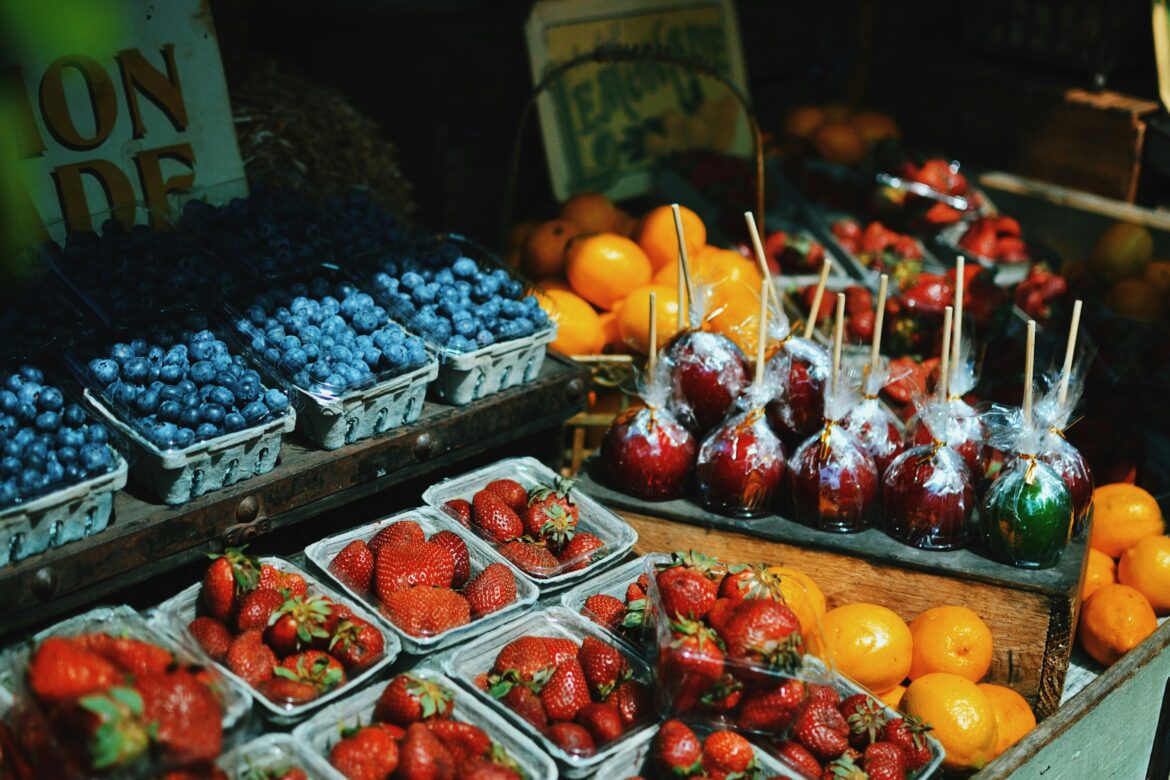
Food markets are unusually efficient travel stops. They combine ingredients, prepared food, local habits, small businesses, and people watching in one place. More importantly, they show what residents actually buy rather than only what visitors are encouraged to try.
A morning market can also provide a useful starting point for exploring a neighborhood. Pick up fruit or something from a bakery, browse the produce stands, then continue on foot rather than immediately heading to the next major attraction.
Pay attention to timing. A market that looks lively at 9 a.m. can be nearly finished by early afternoon. Others come alive later in the day. Weekly farmers markets require even more planning, so it is worth checking operating days rather than simply dropping pins on a map.
This doesn’t apply only when traveling abroad. Brooklyn itself demonstrates how much can be learned from looking carefully at where food comes from and how people shop. Our look at how Brooklyn’s food markets turn everyday shopping into real-world learning offers a useful reminder that a market can be more than somewhere to buy lunch.
Once you start viewing markets this way, they become less like items on a sightseeing list and more like introductions to a place.
Map Meals by Neighborhood, Not Reputation
One of the easiest ways to make a food trip exhausting is to create a list of restaurants without looking at where any of them are.
A restaurant might be only a few miles from your hotel and still require an inconvenient journey at dinner time. Add another cross-city trip for lunch and suddenly a large part of the day is being spent in transit between places chosen because they appeared on separate recommendation lists.
A better approach is to build small geographic clusters. If you’re spending the afternoon in one neighborhood, identify a few nearby possibilities: perhaps one restaurant worth reserving, a casual backup, a bakery, and somewhere for a drink. You don’t have to visit all of them. The point is to create options that fit the day rather than forcing the day to fit a restaurant spreadsheet.
This also makes spontaneous decisions easier. If lunch runs late, you can skip the bakery without derailing everything else.
Know Which Meals Actually Need Reservations
Food-focused travel can become surprisingly rigid when every meal has a reservation attached. Suddenly you’re leaving an interesting neighborhood because dinner is booked elsewhere or turning down a local recommendation because tomorrow’s lunch has already been decided.
Reserve the places where advance planning genuinely matters. Leave some other meals deliberately blank.
Those unplanned spaces are where a neighborhood noodle shop, food truck, deli, market stall, or busy restaurant you hadn’t encountered online can enter the trip. Ask bartenders, shopkeepers, market vendors, and hotel staff where they eat nearby. Their suggestions may be more useful than another generic list of a city’s most photographed restaurants.
The same principle applies to special events. Food festivals can be excellent reasons to adjust travel dates because they gather producers, cooks, regional dishes, and visitors around a particular food tradition. USA TODAY 10BEST’s reader-choice coverage of the 10 best specialty food festivals in the US in 2026 is a starting point for exploring the range of food-centered events around the country. A festival doesn’t need to become the entire vacation; it can simply provide an anchor around which a few days are built.
Don’t Turn Eating Into a Completionist Exercise
Food travel has acquired its own version of sightseeing pressure. There are essential dishes, viral bakeries, famous reservations, historic bars, markets, coffee shops, and “hidden gems,” all competing for a limited number of meals.
Trying to collect them all usually makes the trip worse.
There’s nothing wrong with wanting to visit a celebrated restaurant, but reputation shouldn’t be the only measure of whether a meal deserves a place on the itinerary. A simple breakfast eaten repeatedly at the same neighborhood café can tell you more about the rhythm of a place than rushing across town for another must-try dish.
It helps to distinguish between food you’re genuinely curious about and food you feel obligated to consume because it appeared repeatedly during research. Those aren’t always the same thing.
Leaving space also makes appetite part of the planning. Three substantial restaurant meals a day may look wonderful on a schedule and feel ridiculous by day three. A market snack, followed by a long walk and a late dinner, can make for a much better day.
Bring the Curiosity Home
A good food-first itinerary doesn’t need to end with a collection of restaurant names. The more lasting discoveries are often smaller: an unfamiliar ingredient, a different way of serving breakfast, a market habit, a regional condiment, or a dish you want to learn how to make.
That’s the real advantage of organizing travel around food. Meals stop being interruptions between attractions and become a way of noticing how a place works.
Plan enough to know what is distinctive and what requires advance booking. Map enough to avoid spending half the trip crossing town. Then leave several empty spaces.
Those gaps aren’t failures of planning. They’re where the trip gets a chance to surprise you.
