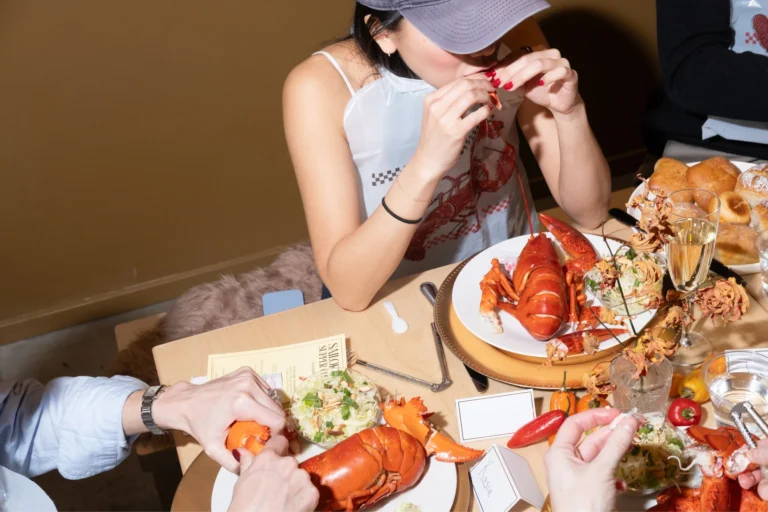

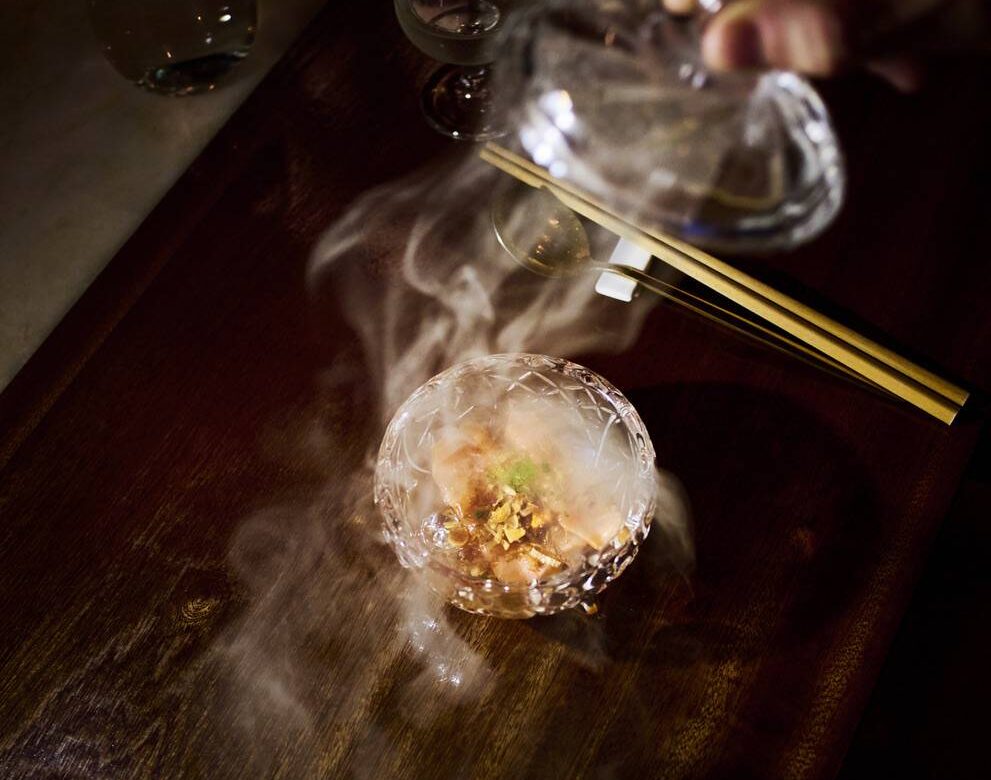
The entrance to U Omakase on Greenpoint Avenue is easy to miss, tucked behind black curtains and the remnants of a sign for “LuxGirl Nails, Hair, Wax.” Inside, a U-shaped, padauk-wood counter seats 16, facing an open kitchen where three chefs work.
At 8:45 p.m. in the middle of September, four women in their twenties, all dressed in white, were celebrating a bride-to-be. Beside them, a group of five settled in for a dinner that would become increasingly raucous, the merriment fueled by a curated European wine list and Bin Bin Sake selections. At the far end, a tattooed couple were catching up with chef-owner Luis Durand, who was asking after the man’s mother. Over the next two hours, courses arrived one at a time.
“There are special nights when people start talking, and it becomes an intimate dinner party,” Durand says. “People arrive as strangers and have become friends, started dating, gotten engaged and married at my restaurant.”
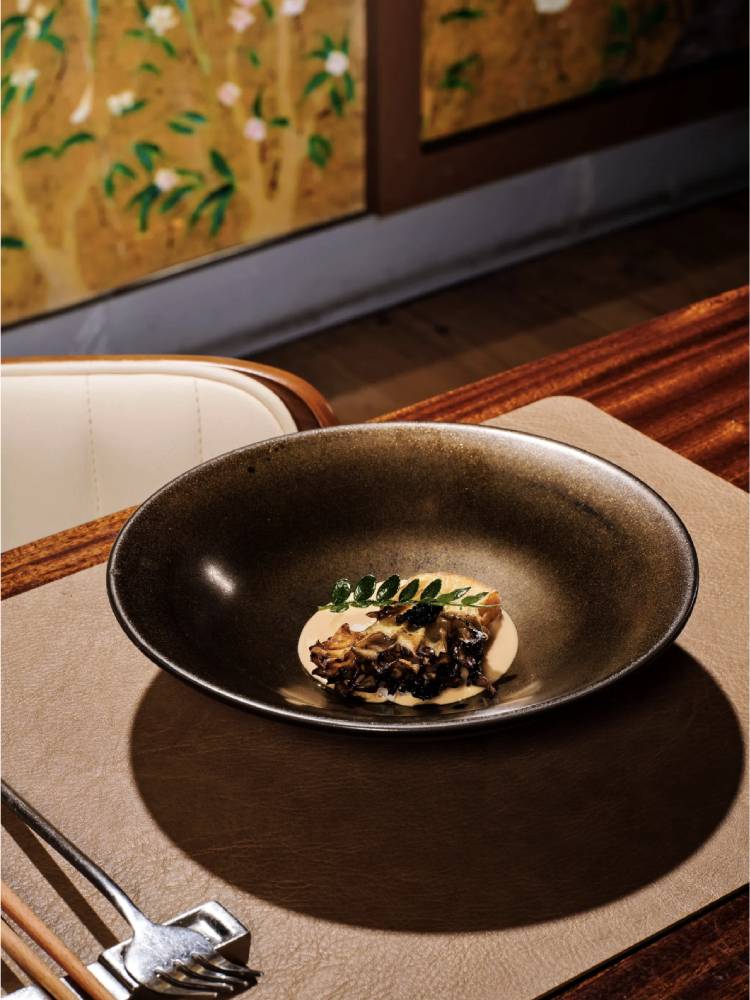
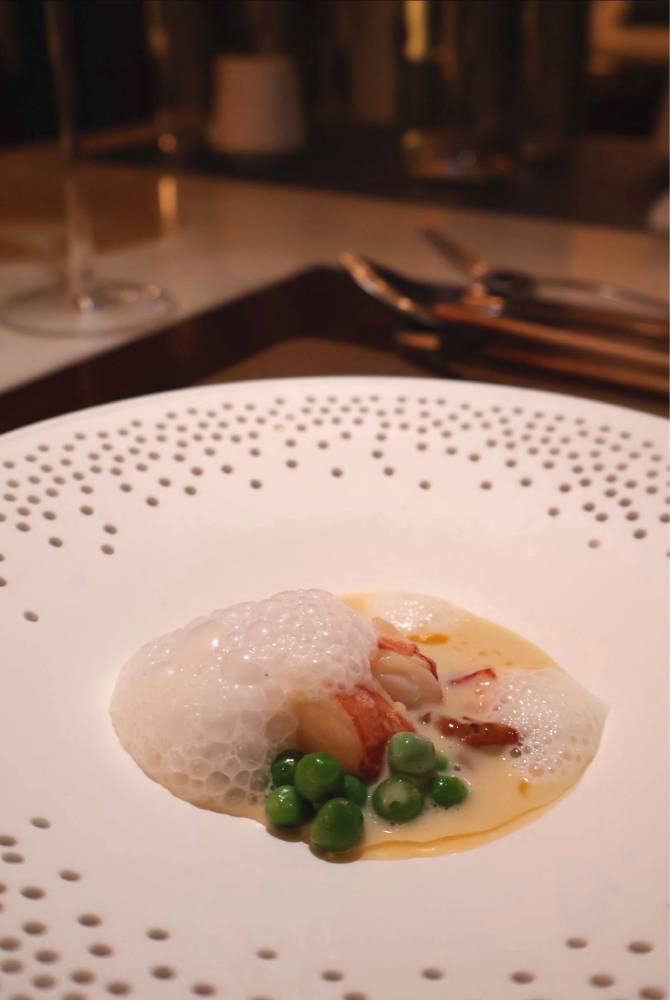
The dinner also marked U Omakase’s fourth anniversary and the final days of its summer menu. Centered around Durand’s signature sauces, foams, and oils, the 12-course seasonal tasting menus showcase ingredients picked daily from the nearby farmer’s market and pre-selected fish delivered daily from Tokyo’s Toyosu Fish Market.
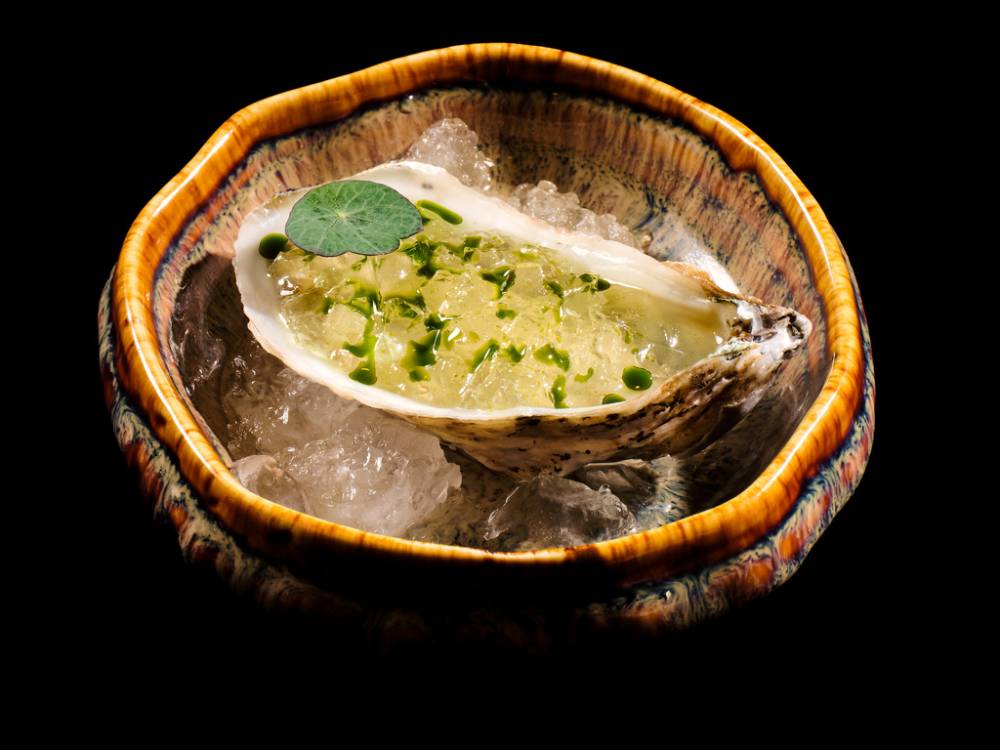
As the Greenpoint restaurant enters its fifth year, the now-released fall menu reflects an approach to cooking that has become increasingly collaborative: Japanese technique filtered through French training and Latin American flavors. The new lineup includes Kumamoto oyster with torched tomato; clam and miso soup; risotto with black burgundy truffle; tuna with plum sauce; Wagyu; and emerald figs.
One Thing Led to the Next
Durand began cooking at age 20, inspired by his father’s love of French cuisine. He cooked to impress his dad, eventually studying at the French Culinary Institute in 1999. But when his father became ill, Durand left the kitchen to take over the family construction company. He built and designed restaurants and commercial properties throughout New York City, where his family settled after moving from Asuncion, Paraguay, when Durand was 9. He also became a health department inspector and avid restaurant-goer, developing his own opinions about the city’s kitchens.
An accident in 2005 left Durand recovering from a fractured spine and weighing 280 pounds. To celebrate getting his full-body cast removed, he went with a friend to try former Sushi Yasu in Forest Hills. There, he met owner and 50-year-old sushi veteran Yasu Hirashiki. Durand noticed things that could keep the restaurant from passing inspection. “I told him, ‘If you want to pass, you have to do this, this, this,’ ” Durand recalls. Hirashiki’s response was: “You’re too fat. I’ll feed you, and you tell me what I need to do.” Durand took him up on it. “I started going there every night for dinner,” he says.
Durand lost the weight and helped Hirashiki pass inspection. What started as a trade blossomed into a decade-long friendship and mentorship. Hirashiki taught Durand how to handle and cut fish, assess quality, and work with traditional Japanese discipline. He attended Durand’s son’s baptism and father’s funeral.
When Hirashiki closed his restaurant during the pandemic, the duo began hosting pop-up dinners with sushi chef Uichi Yamada. As restaurants reopened and regulars wanted more, Durand began imagining a small place where he could prepare fish, eat good sushi, and maybe host private dinners and events. Then he found the Greenpoint venue. Demolition revealed a larger room than expected. A friend suggested an open kitchen and communal table. The U-shaped counter, partly inspired by pandemic-era dining that allowed chefs to pass food directly to diners, remained, giving the restaurant its name and creating a communal experience at its center. Durand and Hirashiki opened U Omakase together in 2022. “One thing led to the next,” Durand says. “It took off fast.”
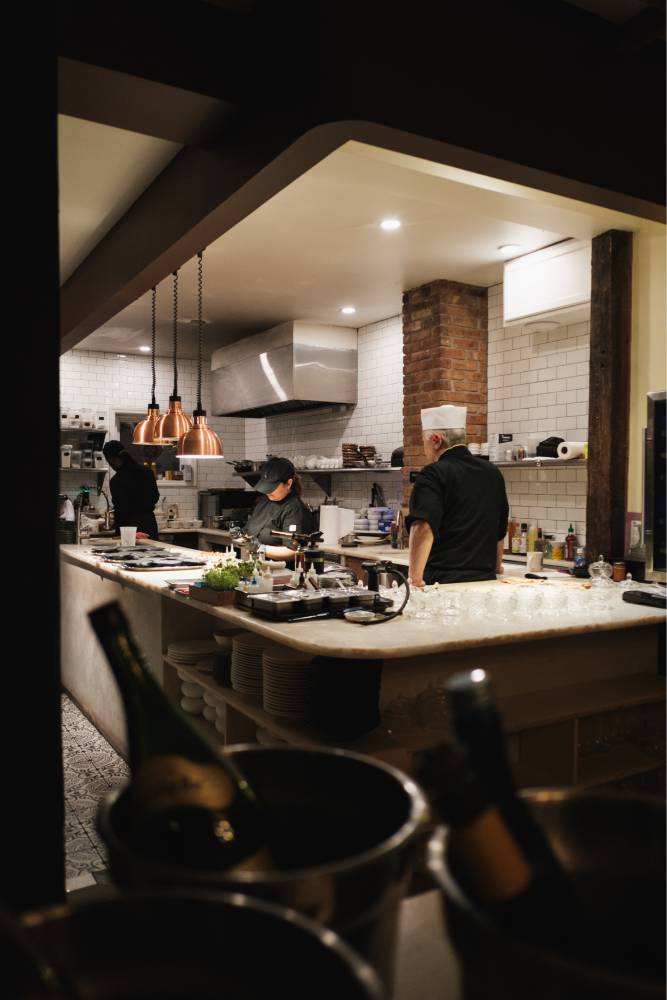
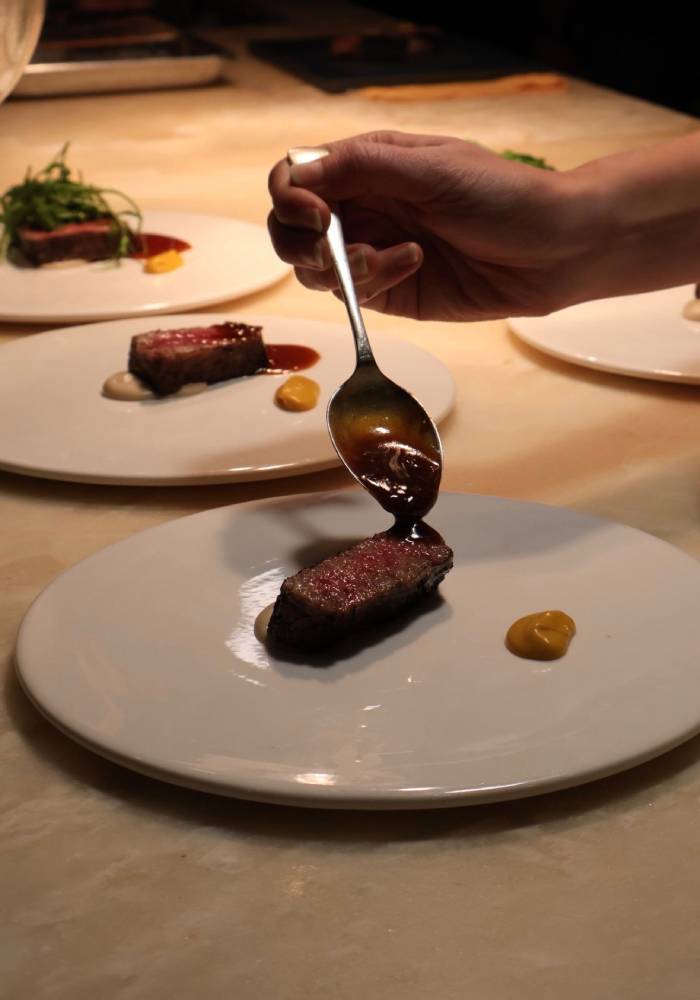
The same was true of the menu. Hirashiki and Yamada handled nigiri while Durand made appetizers and sauces, drawing from his French training and Paraguayan heritage. Guests responded to the fusion style, so Durand expanded. Hirashiki retired a year and a half ago, and now paints for the Art Students League, but occasionally returns for special sushi-heavy dinners.
Gastronomic Experimentation
Sous chef Ruth Aguilar has become essential to the restaurant’s evolution. A Peruvian refugee known for her ceviche, Aguilar joined U Omakase to help prep, while Hirashiki and Yamada strictly crafted traditional sushi, and soon began developing dishes alongside Durand. Their process is iterative: one proposes an ingredient or flavor, the other develops it, they taste, adjust, and repeat. Durand works closely on sourcing, then Aguilar checks the quality and condition of ingredients before they reach the kitchen. One early-days collaboration introduced Aguilar’s taradito—a citrusy, spicy, Peruvian-Japanese sauce with lime, aji amarillo, garlic, ginger, and soy—that was popular enough to stay on the menu for a year and a half.
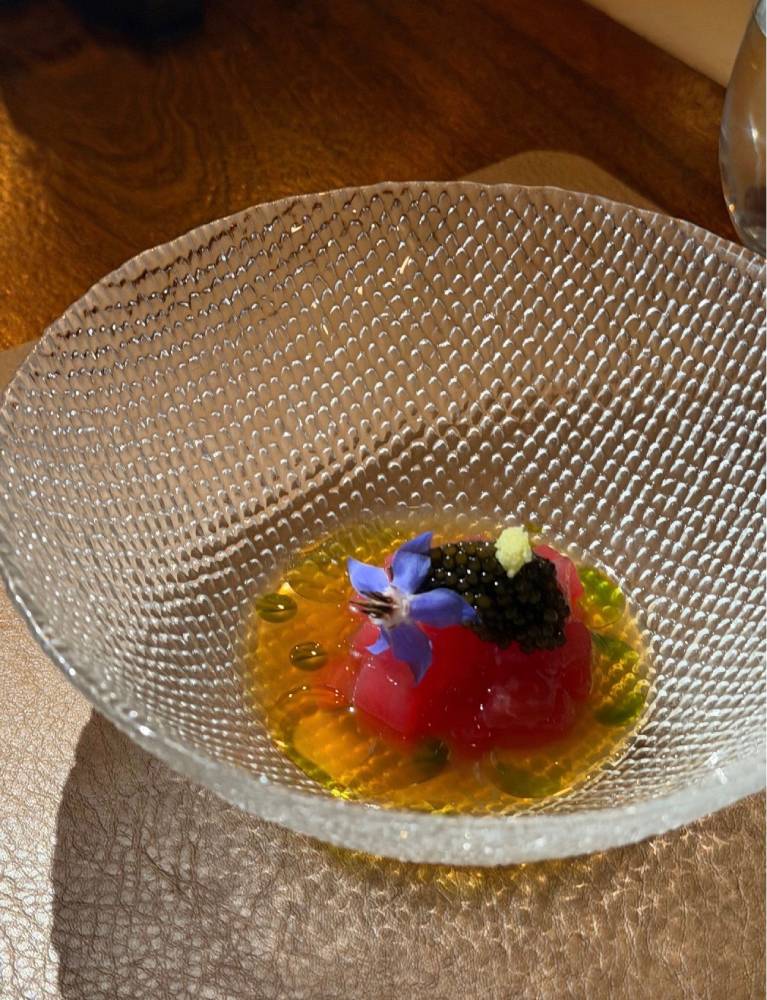
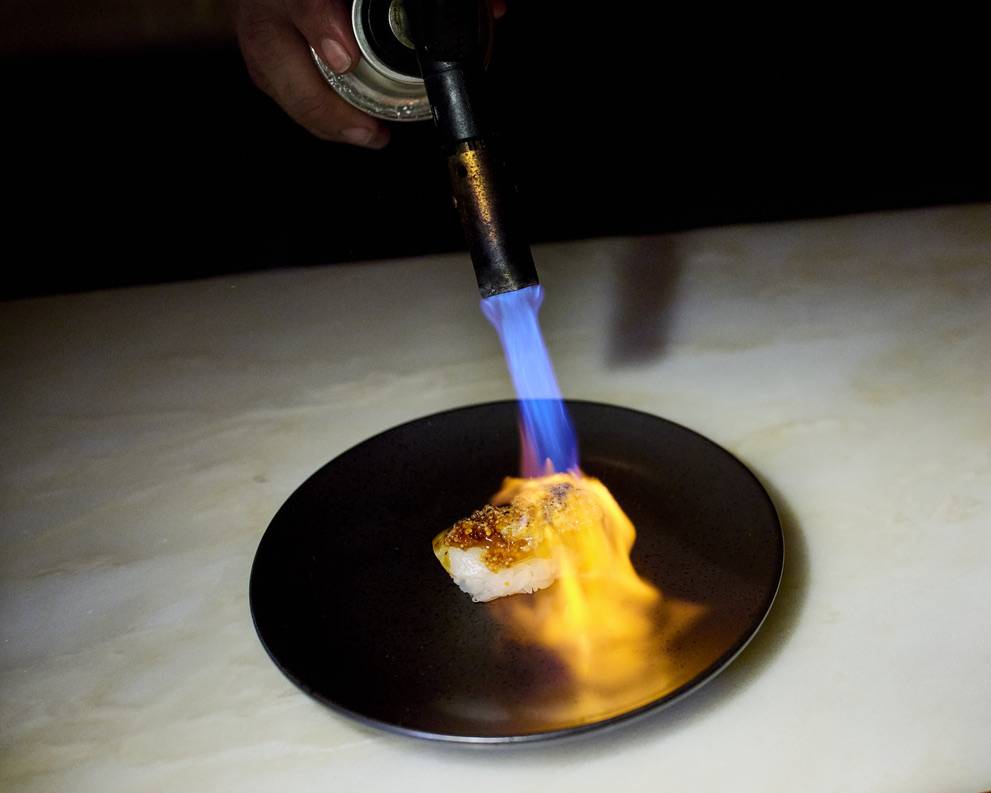
“I think of U’s kitchen as our gastronomic laboratory, where we experiment, adjust, and bring new ideas to life,” Aguilar says.
The chefs also listen to diners. Durand once believed that if he liked a dish, that was enough. “I wanted to call the restaurant ‘Whatever I want,” because I cook what I like,” Durand says. “The point of omakase is to trust the chef.” Then came the mackerel. Guests said they hated the fishiness. He adjusted the sauce, balancing soy, sweetness, sourness, and aji amarillo, until the dish became one some diners ranked above the Wagyu or truffles.
“When guests experience our fall menu, I hope they’re surprised and ask questions like what a certain purée is made from,” Aguilar says. “I love that curiosity, because it means the dish connected with them.”
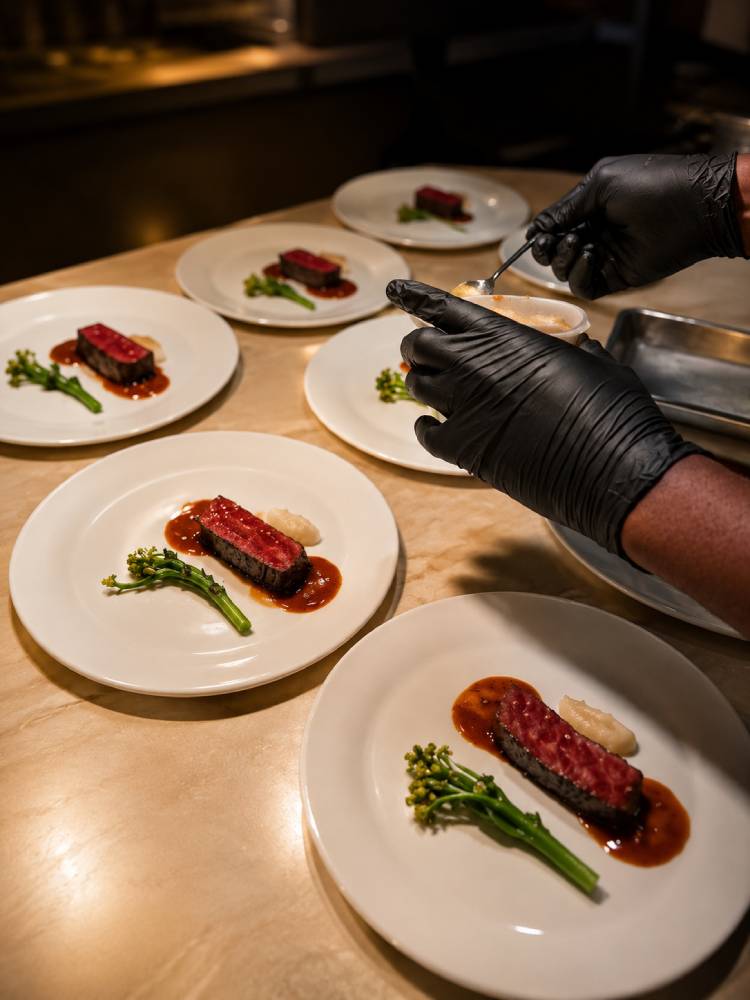
That experimentation has to coexist with consistency. U Omakase opened at $89 per person with unlimited sake and now charges $109, with one increase over four years. Durand says rising ingredient costs, caused by skyrocketed tariffs, have made him more careful about sourcing. Japanese-imported fish that used to cost $8 per pound now runs him $30. “Before, I would buy things just to try them,” he says. “Now, I’m more conservative.” But he still wants diners to experience ingredients like Australian black truffles without paying the price of a $200-plus tasting menu.
Four years in, Durand is increasingly interested in refining rather than endless reinvention. Along with streamlining the process and a little redecoration, that means building a core menu, making small adjustments, and teaching the next generation of chefs.
Aguilar says, “The direction of U is growth, evolution, and great recognition of our distinctive flavors.”
U Omakase is open Wednesday through Thursday 6:30 p.m. to 10:30 p.m; Friday through Saturday 6 p.m. to 10:30 p.m; and Sunday 5:30 p.m. to 10 p.m.
U Omakase
173 Greenpoint Avenue, Brooklyn, NY
@u.omakase | https://www.u-bk.com/