

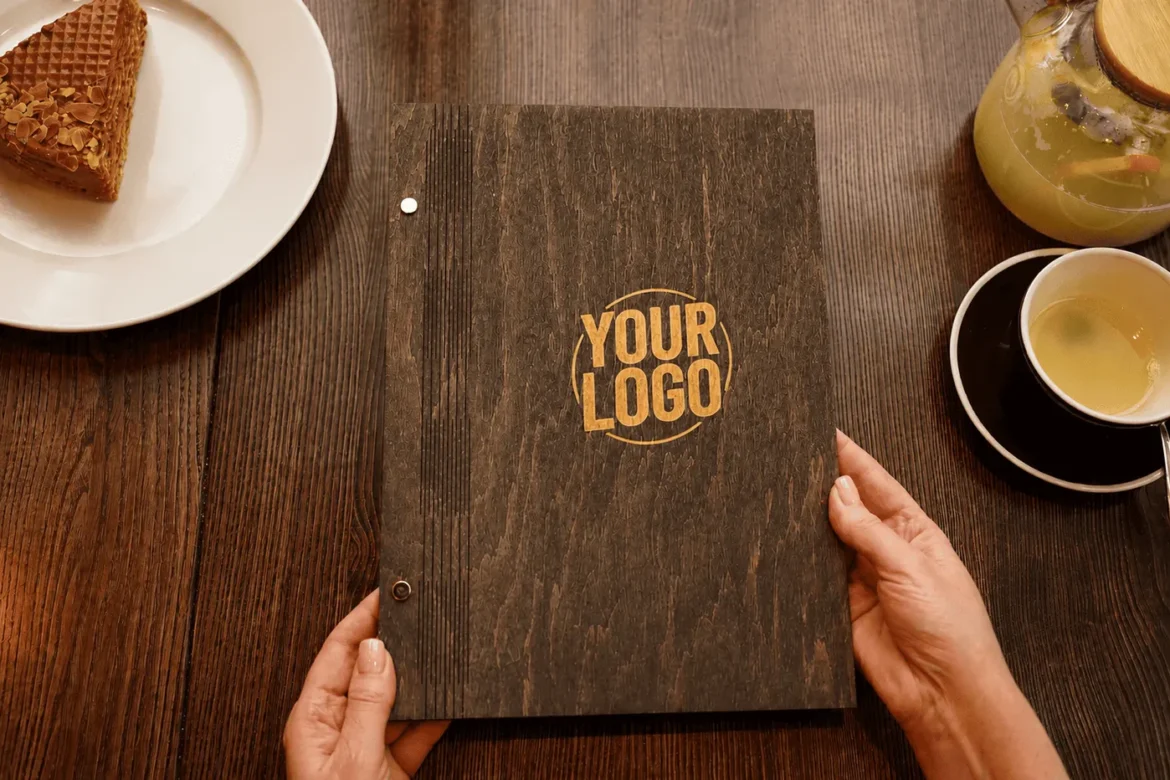
Sustainability in restaurants used to mean paper straws and a compost bin. In 2026 it has moved into the fabric of the space itself — and the material leading that shift is the oldest one in hospitality: wood. Here’s why designers, operators, and guests are all converging on it, and how to use it without turning your dining room into a sauna showroom.
Guests Now Read Materials as Values
Surveys across the industry keep finding the same pattern: a majority of diners — and a large majority under 35 — say a restaurant’s visible environmental effort influences where they book. But guests don’t audit your supply chain; they read the room. Plastic laminate says disposable. Natural wood, visible grain, and honest wear say longevity and care. Materials have become a legibility layer for values, and wood is the most legible sustainable material there is.
The Case for Wood, Beyond Aesthetics
- Carbon story. Wood stores carbon rather than emitting it during production. Compared with plastics and aluminum, responsibly sourced timber has a fraction of the embodied carbon.
- Repairability. A scratched wooden tabletop sands and re-oils; a chipped laminate one goes to landfill. Repairable materials change the economics of furnishing — you buy once and maintain, instead of replacing on a cycle.
- Ageing in place. Wood is one of the few materials that looks better after five years of service. Patina reads as authenticity; worn plastic reads as neglect.
- End of life. At the end of a long service life, wood biodegrades or downcycles. Most composite furniture cannot.
Where Wood Works Hardest in a Restaurant
You don’t need a full timber build-out to capture the effect. The highest-visibility, lowest-cost applications are the objects guests actually touch:
Tabletop items. Menu covers, table numbers, reserved signs, QR code stands, check presenters. These small pieces pass through guests’ hands hundreds of times a day, which makes them the densest branding real estate in the room. Small-batch makers now produce handcrafted wooden restaurant products with custom engraving from single-piece minimums — meaning an independent café can outfit its tables with durable, repairable, logo-engraved pieces for less than the cost of a year’s laminated menu reprints.
Service surfaces. Serving boards, trays, and bar accents. Food photographed on wood consistently outperforms the same food on white ceramic in social engagement — food stylists have known this for a decade.
One statement element. A reclaimed-wood host stand, a live-edge community table, a slatted ceiling feature. One honest wooden anchor sets the room’s tone; you don’t need four.
Sourcing: The Part That Makes It Real
Wood is only as sustainable as its origin. Three questions to ask any supplier: What species and where is it grown? (European oak, ash, and walnut from managed forests are safe defaults; certain tropical hardwoods are not.) Is there FSC or equivalent certification, or full origin transparency from a small workshop? And what finish is used? — food-safe oils and water-based lacquers, not high-VOC coatings that undo the environmental math.
Small workshops often out-perform big catalogs here: shorter supply chains, visible production, and made-to-order runs that eliminate overstock waste entirely. Made-to-order is quietly one of the most sustainable manufacturing models available — nothing is produced that isn’t already sold.
Avoiding the “Wood Overload” Trap
The failure mode is monotony: wooden floor, wooden tables, wooden walls, wooden everything, one shade of brown. Designers balance wood with contrast — matte black metal, soft textiles, stone, greenery — and vary tones deliberately: pale ash against dark wenge, warm oak against grey finishes. Wood should punctuate the space, not wallpaper it.
Telling the Story Without Preaching
Sustainable materials only earn marketing value if guests learn about them — but nobody orders dessert from a lecture. The effective approaches are quiet: a single line on the menu (“Our boards and menu covers are handmade from managed-forest oak”), a one-paragraph story on the website’s about page, and letting staff answer the inevitable “this is beautiful, where’s it from?” with a real answer. That question, incidentally, is the tell that materials are working as marketing — plastic never prompts it.
Social channels reward the same restraint: process content (the workshop engraving your logo, the oiling ritual, the five-year-old board still in service) consistently outperforms sustainability slogans. Show the material living its long life; let viewers draw the values conclusion themselves.
What It Costs (Less Than You Think)
The premium for solid wood over plastic tabletop hardware runs 30–80% per unit — but the replacement math inverts it. Laminated menus are reprinted several times a year; printed QR cards fade seasonally; vinyl check folders crack within eighteen months. Wooden equivalents, maintained with an occasional oiling, serve for five to ten years. Amortized per service, the “premium” material is routinely the cheapest thing on the table — while doing brand work plastic can’t.
The Business Footnote
Sustainable materials used to be framed as a cost. The current math says otherwise: durable wooden tabletop items outlast their plastic equivalents several times over, guests photograph them for free, and the values they communicate influence booking decisions. When the greenest option is also the one that lowers your replacement budget and raises your Instagram output, the debate is mostly over.
