

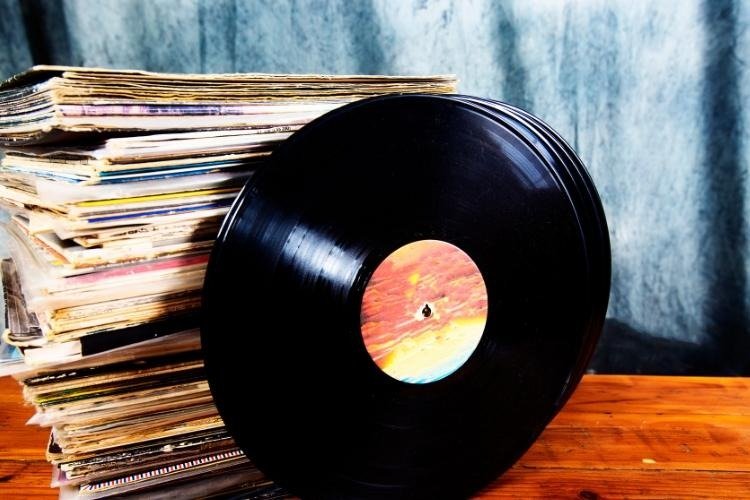
In an increasingly digital world, collecting physical items has taken on new meaning. While many aspects of everyday life now exist on screens, collections remain tangible reminders of personal interests, memories, and identity. Whether someone fills shelves with books, vintage cameras, sneakers, artwork, or vinyl records, every carefully chosen item tells part of a larger story.
Unlike impulse purchases, collections are usually built over time. Each addition reflects a decision, a memory, or a personal connection that makes the collection unique to its owner. Rather than simply owning things, collectors curate experiences, preserve moments, and express themselves through the objects they choose to keep.
As collecting continues to grow across different generations, it’s worth exploring why this hobby has become such a meaningful form of self-expression and what it reveals about the people behind the collections.
Collections Tell Personal Stories
One of the biggest differences between collecting and simply accumulating possessions is intention. A collection is curated around a theme, interest, or passion that reflects an individual’s personality.
For one person, that might mean tracking down first editions of favorite novels. Another might collect concert posters from memorable performances or vintage film cameras that represent different eras of photography. Music lovers often build collections that capture important moments in their lives, with every album serving as a reminder of a particular period, friendship, or experience.
Over time, these collections become visual biographies. Looking across the shelves often reveals changing tastes, new discoveries, and milestones that shaped the collector’s journey.
Unlike digital libraries that remain hidden behind menus, physical collections become visible expressions of personal identity.
The Joy Is in the Hunt
Collecting isn’t only about ownership. For many people, the search itself is equally rewarding.
Finding an item you’ve been searching for can take patience, persistence, and a bit of luck. Browsing independent shops, visiting markets, attending fairs, or discovering hidden treasures during travel all become memorable parts of the collecting experience.
The process encourages curiosity. Collectors often learn about the history behind an item, its creator, or the cultural context surrounding it before deciding whether it belongs in their collection.
This sense of discovery turns collecting into an ongoing hobby rather than a one-time purchase.
Some collectors even keep wish lists, research different editions, or compare design details before adding something new to their shelves, making every acquisition feel more intentional.
Physical Objects Create Stronger Connections
Digital access has made entertainment more convenient than ever, but physical collections offer a different kind of experience.
Holding an object, displaying it, and interacting with it creates a stronger sense of ownership than simply saving something online. Books can be reread, photographs revisited, and records played while appreciating the artwork and liner notes that accompany them.
For music enthusiasts, collecting physical albums often becomes part of the listening ritual itself. Browsing shelves, selecting a record, and placing it on a turntable encourages a slower, more deliberate way of engaging with music.
Collectors interested in expanding their libraries often look for specialist retailers that curate quality selections. For example, the wide range of vinyl records by Evergreen Vinyl makes it easier for enthusiasts to build collections that reflect their individual tastes while discovering new additions along the way.
These physical interactions give collections a lasting presence that digital libraries cannot easily replicate.
Collecting Builds Communities
Although collecting is often seen as a personal hobby, it also brings people together.
Shared interests naturally lead to conversations, recommendations, and friendships. Collectors exchange advice, discuss favorite discoveries, recommend albums or books, and help each other locate hard-to-find items.
Communities grow around almost every type of collection, including:
- Music and vinyl enthusiasts.
- Comic book collectors.
- Book lovers.
- Vintage clothing collectors.
- Film memorabilia enthusiasts.
- Toy and action figure collectors.
These shared interests create opportunities for people from different backgrounds and generations to connect through common passions.
Many collectors also enjoy introducing newcomers to the hobby, sharing knowledge that helps preserve traditions and appreciation for the items they love.
Quality Often Matters More Than Quantity
A common misconception is that successful collectors own the largest collections. In reality, many collectors focus on building thoughtful collections rather than endlessly expanding them.
Instead of acquiring everything available, they choose pieces that have personal significance or fit a specific theme.
Some questions collectors often ask include:
- Does this item fit my collection?
- Does it represent something meaningful?
- Will I continue to appreciate it years from now?
- Does it add something different from what I already own?
Answering these questions encourages intentional collecting rather than impulse buying.
This approach also allows collections to evolve naturally over time without becoming cluttered or losing their original purpose.
Collecting Encourages Reflection and Appreciation
Modern life often encourages constant consumption, where new products quickly replace old ones. Collecting offers an alternative mindset.
Rather than moving rapidly from one purchase to the next, collectors spend time appreciating what they already own. Organizing displays, revisiting favorite pieces, researching their history, and sharing stories behind individual items all deepen the relationship between the collector and the collection.
Many collectors also discover that their interests evolve gradually. What begins as a few favorite albums or books may eventually become a carefully curated archive representing years of personal growth.
Evergreen Vinyl is one example of a specialist retailer that supports this thoughtful approach by offering collectors access to music that can become meaningful additions rather than disposable purchases.
In this way, collecting becomes less about acquiring more and more about building something that genuinely reflects personal identity.
Conclusion
Collecting has become far more than a hobby. For many people, it serves as a meaningful form of self-expression, allowing personal interests, memories, and experiences to take physical shape. Every carefully chosen addition contributes to a collection that tells a unique story and reflects individual values rather than passing trends.
Whether the focus is music, books, artwork, or another passion entirely, the most rewarding collections are built with intention rather than speed. They encourage curiosity, preserve meaningful experiences, and create opportunities to connect with others who share similar interests.
In a world where so much is temporary and digital, thoughtfully curated collections continue to offer something lasting: a tangible reflection of who we are and what matters most to us.
