

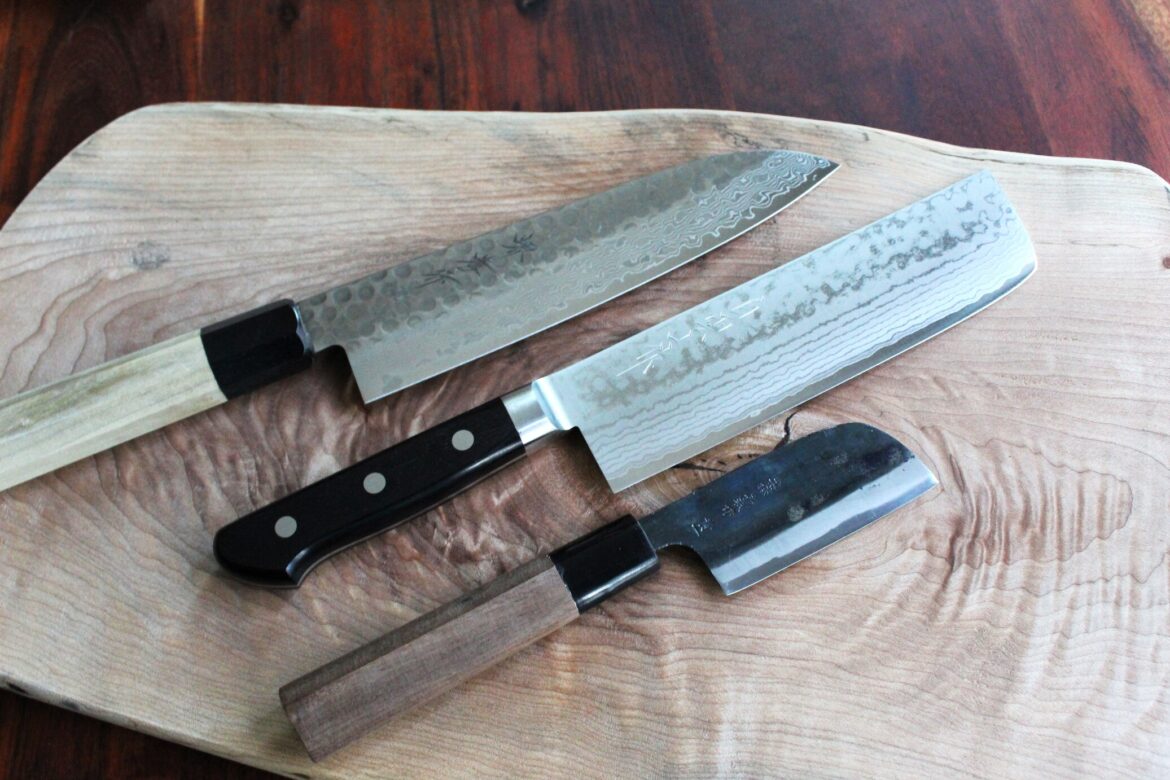
A single bevel Japanese knife represents a specialized approach to cutting, offering precision that double-beveled blades cannot replicate. Unlike conventional knives, single-beveled knives have a sharpened edge on only one side, which influences the way food is sliced and handled.
These knives are prized in professional kitchens for their ability to create exceptionally thin, clean cuts, particularly in Japanese cuisine. Knowing when to use a single bevel knife can improve efficiency, presentation, and control during food preparation.
The Design Advantage
Single bevel knives feature an asymmetrical edge, usually sharpened on the right side for right-handed users. This design allows the blade to make cleaner, more accurate cuts in specific directions.
The flat side of the blade helps prevent sticking and tearing, which is especially useful when working with soft vegetables, fish, or delicate proteins. The construction may include traditional Japanese materials such as high-carbon steel or layered Damascus steel.
These metals hold a sharp edge for longer periods and contribute to the blade’s overall rigidity and control. Choosing a single bevel knife depends on the type of food and the desired precision in cutting tasks.
Precision Vegetable Work
Chefs often select single bevel knives for vegetable preparation due to the blade’s ability to create uniform slices. The Usuba knife is a classic example, designed for thin, clean cuts in vegetables.
It handles julienning and decorative vegetable cutting with ease, keeping each slice intact and visually appealing. The flat side prevents twisting or uneven motion and allows detailed presentation work. Though mastering the technique requires patience, the results reward precision and artistry.
Fish and Seafood Preparation
Single bevel knives also excel in handling seafood. The Deba knife is a popular choice for filleting small fish. Its thick, angled blade supports controlled cutting through bones and cartilage. On the other hand, the single bevel assists with precise slicing without tearing delicate flesh.
Sashimi preparation benefits from single bevel knives such as the Yanagiba, as the design allows chefs to achieve clean, continuous cuts in one motion. The asymmetrical edge allows the blade to glide through raw fish efficiently, which will minimize damage to texture and appearance.
Small Deba knives are particularly effective for handling thin, smaller species, offering accuracy and confidence in each cut.
Meat and Boning Applications
Single bevel knives are valuable for meat preparation as well. A boning knife with a single bevel edge, such as the Honesuki, allows careful maneuvering around joints and bones. The design permits the user to separate meat from bone cleanly while maintaining the integrity of surrounding flesh.
The asymmetrical blade provides leverage and control to reduce the risk of accidental tearing. Chefs often rely on single bevel boning knives in professional kitchens for poultry, beef, and fish, where precise cuts influence both yield and presentation. Proper technique is necessary, as the blade behaves differently than conventional double-beveled knives.
Fruit and Garnish Artistry
The single bevel design supports intricate work with fruits and garnishes. The Mukimono knife is traditionally used to peel, score, or carve vegetables and fruits into decorative shapes. Its precise, angled edge allows for controlled cuts and fine detailing, producing visually stunning results.
This type of knife is indispensable for chefs specializing in artistic plating, as the single bevel offers greater control than double-beveled blades. Regular practice with the Mukimono knife develops skill and confidence in decorative cutting, which will help chefs achieve a refined presentation without damaging the food.
Training and Skill Development
Using a single bevel knife requires technique and familiarity. The asymmetrical edge creates a natural tendency for food to move slightly during cutting, which must be accounted for. Home cooks may find it challenging at first, but repeated practice with different foods develops consistency and precision.
Professional chefs often train extensively with single bevel knives, learning how to control slicing angles, grip, and motion. These skills improve speed, reduce waste, and create more uniform cuts. Familiarity with the behavior of a single bevel knife unlocks its full potential in both vegetable and protein preparation.
Maintenance and Care
Single bevel knives demand specific maintenance to retain performance. Regular honing and careful sharpening on a whetstone keep the edge razor-sharp. The one-sided design requires attention to angle during sharpening to maintain the asymmetrical profile.
Cleaning by hand and thorough drying prevents corrosion, especially for high-carbon steel blades. Proper storage, such as in a wooden sheath or knife block, preserves the edge and prevents accidental damage.
Choosing the Right Knife
Deciding when to use a single bevel Japanese knife depends on the task at hand. For thin, delicate slicing of vegetables or fish, the Usuba knife or small Deba knife offers unmatched control. For intricate garnishing, the Mukimono knife allows artistic expression without compromising precision.
For meat preparation and boning, a single bevel boning knife helps separate joints cleanly. Assessing your cutting needs, skill level, and the type of food being prepared guides selection. Using the appropriate knife increases efficiency and boosts final presentation, turning routine food prep into a refined, professional process.
Advantages in Professional Kitchens
In professional kitchens, single bevel knives are valued for consistency and control. They allow chefs to execute repeated tasks with uniformity, which is necessary for high-volume service. The asymmetrical edge reduces resistance during cutting and lowers fatigue during prolonged use.
Fine slicing of fish, delicate vegetable garnishes, and careful meat trimming are all improved by a single bevel design. The knives also reflect Japanese culinary philosophy, where precision and visual appeal are integral to the dining experience.
When to Avoid
Single bevel knives are not always right for general-purpose use. They require more skill and attention than double-beveled knives, and tasks such as rough chopping or cutting through very thick meat may be better suited to traditional chef’s knives.
Inexperienced users may find the asymmetry challenging initially. For kitchens where speed and adaptability are more important than precision, double-beveled knives remain practical. However, for tasks that benefit from razor-sharp edges and controlled cuts, single bevel knives are unmatched.
Knowing When Precision Matters
Recognizing when to use a single bevel Japanese knife transforms cooking by adding precision, efficiency, and artistry to food preparation. From the Usuba knife for vegetables to the small Deba for fish, the Mukimono for garnishes, and single bevel boning knives for meat, each blade excels at specific tasks.
These knives reward skillful use with clean, accurate cuts and elevate the presentation of every dish.
Knowing their advantages and limitations allows chefs and home cooks to select the right knife for each moment, making food preparation both precise and visually striking. Mastering single bevel knives is an investment in technique and culinary finesse.
