

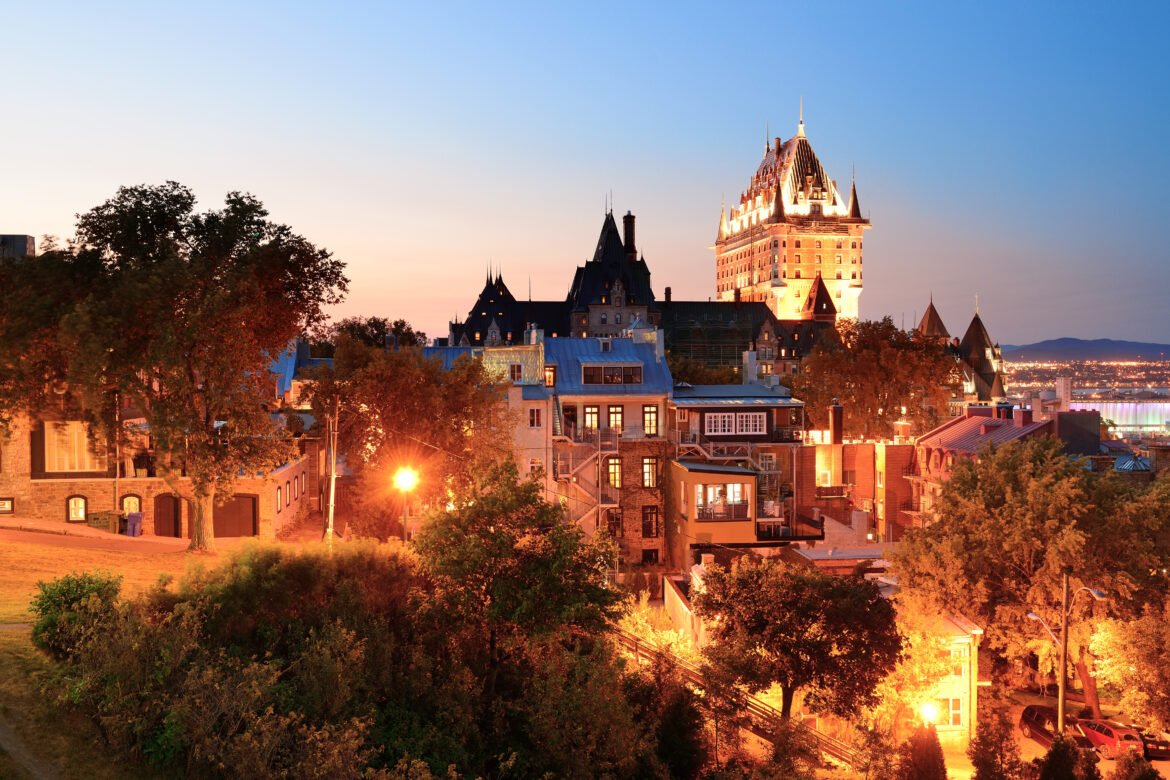
Introduction to Luxembourg
Luxembourg might be a tiny country—just 2,586 square kilometres wedged between France, Belgium, and Germany—but this landlocked micro-state punches far above its weight. As the world’s only grand duchy, ruled by Grand Duke Henri, Luxembourg blends medieval fortifications with sleek EU institutions, forested hiking trails with Michelin-starred dining, and fairytale castles with cutting-edge modern art.
The capital city, home to around 140,000 residents, serves as both a major financial hub and a surprisingly walkable historic gem. Three official languages coexist here—Luxembourgish, French, and German—though English is widely spoken, reflecting a population comprising over 170 nationalities.
What makes Luxembourg worth visiting? Start with over 100 castles scattered across rolling countryside. Add a cliff-top cityscape that earned UNESCO recognition, WWII heritage sites including the American Cemetery, and nine Michelin-starred restaurants—the highest concentration per capita in the EU. The Moselle Valley produces excellent Crémant rivaling Champagne, while traditional dishes are satisfied with hearty smoked pork and crispy potato fritters.
Many travellers visit Luxembourg as a day trip from Brussels, Paris, or Frankfurt—all reachable by direct trains in 2–3 hours. But spending 2–3 days reveals both the city’s layered history and the countryside’s castle-studded charm. Founded in 963 when Count Siegfried built a castle on the Bock promontory, Luxembourg has served as a European crossroads for over a millennium, shaping its fortress architecture and multicultural character that visitors experience today.
Top Things to Do in Luxembourg City
Luxembourg City is built on dramatic cliffs above the Alzette River and Pétrusse Valley. Most highlights sit within easy walking distance, though you’ll encounter plenty of stairs, steep paths, and—thankfully—free elevators connecting the upper and lower towns. Some of the things to do in Luxembourg:
The UNESCO-Listed Old Town. The Ville Haute earned its UNESCO designation in 1994 for well-preserved ramparts, steep cobbled streets, and architectural layers spanning centuries. Key landmarks include Notre Dame Cathedral (17th-century Gothic-Renaissance blend with modern stained glass, free entry), the Grand Ducal Palace (1572 Renaissance façade; guided tours mid-July to early September, €14), and the lively central squares Place Guillaume II and Place d’Armes—perfect for morning coffee and people-watching. The Old Town clusters excellent dining options, from traditional brasseries to refined French cuisine. Patisseries like Oberweis (operating since 1862) tempt with local pastries along the pedestrian Grand-Rue shopping street.
Chemin de la Corniche. Often called the most beautiful balcony in Europe, this clifftop promenade delivers uninterrupted views over the Alzette valley from 17th-century ramparts. The 15–20 minute walk offers panoramas of Grund’s rooftops, Neumünster Abbey, and forested slopes. Late afternoon provides the best light for photographs.
The Grund District. This picturesque neighbourhood feels more like a hidden village than part of a European capital. Cobbled lanes, 16th-century stone houses, and riverside terraces line the Alzette River. The centrepiece is Neumünster Abbey, a former 17th-century abbey now operating as a cultural centre with exhibitions and concerts. Access from the upper town via stairs, free elevators, or scenic paths.
Bock Casemates. Luxembourg’s most famous fortress remnant: subterranean tunnels first excavated in 1644 under Spanish Habsburg rule, expanded to approximately 23 kilometres by 1830, earning the city the nickname “Gibraltar of the North.” Walk through cool rock-hewn corridors, narrow stairways with ceilings as low as 1.2 metres, and cannon openings framing views over Grund. During two world wars, these casemates sheltered up to 35,000 civilians during air raids. Open March–October, €7 adult entry. Sturdy shoes are essential; low ceilings are not suitable for claustrophobic visitors.
Pfaffenthal Panoramic Elevator. This free glass elevator rises approximately 70 metres in 45 seconds, offering 270-degree views through floor-to-ceiling glass walls. Operating from early morning until after midnight, it connects the upper city with Pfaffenthal’s quiet residential streets below.
Kirchberg Plateau. A striking contrast to medieval streets—glass towers, angular architecture, and wide plazas house the Philharmonie Luxembourg, Mudam (I.M. Pei-designed Museum of Modern Art, €8), and EU institutions. Reach it via free tram from central Hamilius in about 10 minutes.
Food and Drink. Luxembourg’s cuisine blends hearty German traditions with refined French influences. Must-try dishes include Judd mat Gaardebounen (smoked pork neck with broad beans—the national dish), Kniddelen (soft dumplings with bacon and cream), and Gromperekichelcher (crispy potato fritters). For drinks, seek out Luxembourgish Crémant and local Riesling from the Moselle Valley. The Chocolate House by Nathalie Bonn, opposite the Grand Ducal Palace, serves indulgent hot chocolate made by melting chocolate “spoons” into warm milk.
Chasing Castles Across Luxembourg
Centuries of strategic importance left this grand duchy with over 100 castles—hilltop fortresses, atmospheric ruins, and elegant châteaux scattered across compact countryside. Free public transit and short driving distances make several major castles perfect day trips.
Vianden Castle. The star attraction—one of Europe’s largest restored hilltop fortresses, crowning a medieval village on the River Our in the Ardennes. The 11th–14th century structure spans 5,000 square metres with furnished Nassau chambers, historical exhibitions, and atmospheric towers overlooking steep village streets and half-timbered houses below. The Victor Hugo Museum in town commemorates the writer’s 1871 exile. A seasonal chairlift (Easter–October, €5) offers panoramic valley views. A simple half-day itinerary works well: arrive in the morning, explore the castle, walk to signed viewpoints, then lunch at riverside cafés. Approximately 50–60 minutes from Luxembourg City by car, or 1.5 hours via free public transport.
Bourscheid, Beaufort, and Larochette. Three castles form a practical cluster in the central-northern region. Bourscheid features dramatic hilltop ruins above the Sûre river, especially atmospheric at dusk. Beaufort pairs a ruined medieval castle with a Renaissance château and optional Cassero liqueur tastings. Larochette sits in a forested valley with castle ruins on a rocky spur overhead.
Clervaux and the Valley of the Seven Castles. Clervaux Castle houses “The Family of Man,” a UNESCO-recognised photography exhibition featuring 503 photographs from 273 artists. The Valley of the Seven Castles runs 24 kilometres west of the capital, threading past seven strongholds—best explored by car or bicycle over 3–4 hours.
Nature & Hiking
Roughly 42% of Luxembourg is covered in forest, threaded with over 6,000 kilometres of waymarked trails.
Mullerthal Region – “Little Switzerland.” A UNESCO Global Geopark since 2022, featuring sandstone rock formations, narrow crevices, caves, and waterfalls. The terrain justifies the nickname—craggy formations create almost alpine drama on accessible trails. The 112-kilometre Mullerthal Trail divides into three routes with segments suitable for day hikes. Key spots include Schiessentümpel waterfall (13-metre cascade beneath an arched stone bridge), Wolfsschlucht gorge (narrow sandstone passage requiring some scrambling), and Berdorf caves with dramatic overhangs. Base yourself in the ancient town of Echternach or visit on a day trip via free buses. Essential gear: sturdy hiking boots, waterproof layers, and a daypack with water.
Other highlights include the Luxembourg Ardennes for hillier terrain, the Moselle Valley for vineyard walks and wine tastings, and the Pétrusse Valley loops beneath Adolphe Bridge for easy urban-nature strolls.
Seasonal Events & Best Time to Visit
May–October offers prime outdoor season with full castle hours and comfortable temperatures (20–25°C). The Winterlights festival (late November to early January) transforms the city with millions of decorative lights and themed Christmas markets at Place d’Armes, Place de la Constitution, and surrounding squares—complete with ferris wheel, ice skating, Gromperekichelcher, and mulled wine.
National Day (June 23) brings evening fireworks, concerts, parades, and street parties nationwide. Fête de la Musique (June 21) fills Luxembourg City with free live music. Early autumn rewards vineyard visits in the Moselle region and forest hikes through changing leaves—a relaxed but still active time to explore.
Practical Tips
Public transport has been entirely free since March 2020—no tickets needed for second-class trains, trams, and buses nationwide. Direct trains connect Brussels (3 hours), Paris TGV (2 hours), and Frankfurt (3 hours). Direct flights serve Luxembourg Airport from major European cities, and easy motorway access links all neighbouring countries. Luxembourg consistently ranks among Europe’s safest destinations, though costs run high—expect €150+ nightly for hotels and €30+ for restaurant meals. Free transport offsets some costs significantly. Tap water is safe to drink, ATMs are common, and card payments are widely accepted. The multilingual population means communication problems are rare—learning basic Luxembourgish phrases like “Moien” (hello) earns appreciation, even when conversations continue in English or French.
Recommended stays: one day for city highlights, two days to add Vianden Castle or Mullerthal hiking, three or more days for deeper castle exploration and wine country. Check visitluxembourg.com for current opening hours and events when finalising your itinerary.
