

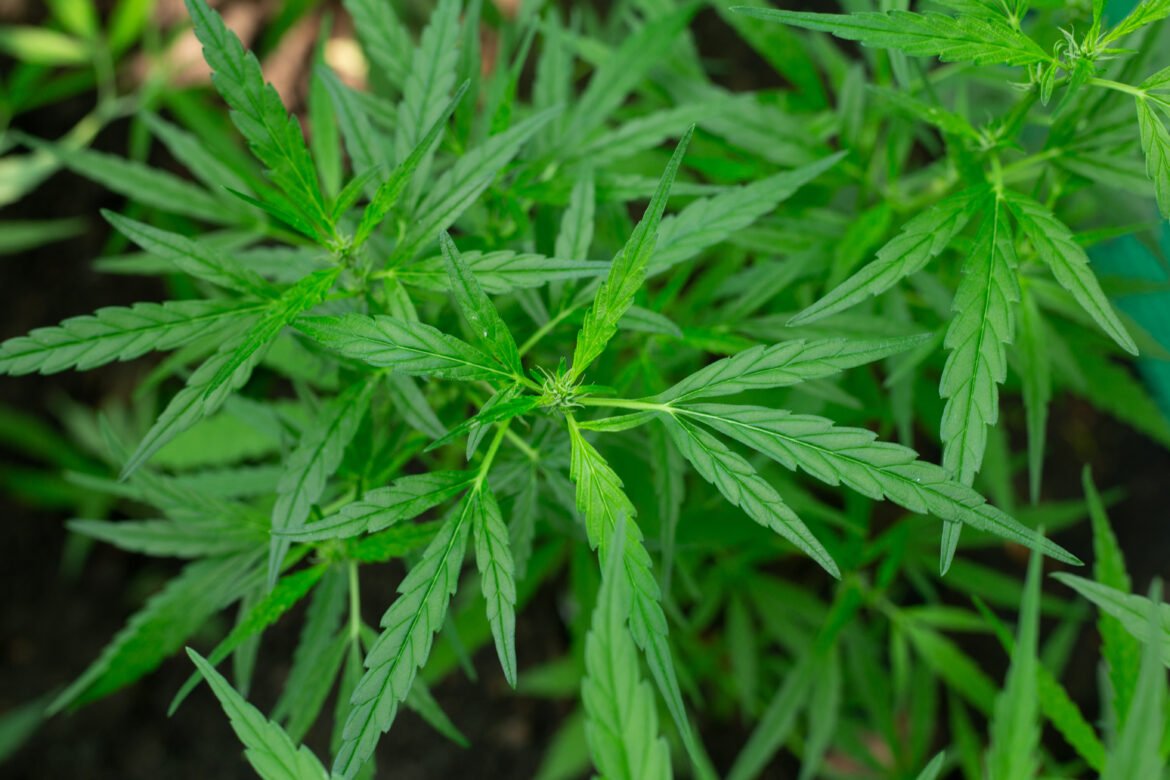
To understand why cannabis has become a mainstay in the high-end Brooklyn kitchen, one must look toward terpenes. These aromatic compounds, found in the essential oils of plants, allow chefs to pair specific strains with ingredients much like a sommelier pairs wine. By matching the peppery, woodsy notes of caryophyllene with a grass-fed ribeye or the bright, citrusy limonene with a fluke crudo, Brooklyn’s culinary elite are moving beyond the “pot brownie” cliché to create multi-sensory experiences that prioritize flavor and nuanced physiological harmony over pure potency.
In the brownstones of Clinton Hill and the repurposed industrial lofts of Bushwick, a new kind of social ritual is taking shape. It’s a scene where the centerpiece isn’t a vintage Bordeaux or a craft sour ale, but a curated selection of sun-grown flower. Brooklyn, long the world’s epicenter for culinary innovation, is redefining the “edible.” No longer a gamble of mystery-strength sweets, cannabis is being treated as a sophisticated pantry staple—a botanical tool used for its aromatic complexity and its ability to enhance the social flow of a dinner party.
What is the Role of Terpenes in Modern Gastronomy?
If cannabinoids are the engine of the cannabis experience, terpenes are the steering wheel. These molecules provide the pine, the citrus, the skunk, and the spice that give each strain its identity. For a chef, terpenes represent a new frontier of seasoning.
- Myrcene: With its earthy, musky undertones, it’s a natural companion for roasted root vegetables or a funky, locally-sourced blue cheese.
- Limonene: Its sharp, citrusy profile acts similarly to a squeeze of lemon, cutting through the richness of seafood or elevating a bright vinaigrette.
- Pinene: This “forest-floor” aroma provides a woodsy depth to rosemary-infused breads or grilled game.
By treating these profiles as aromatics rather than just intoxicants, chefs ensure that the plant enhances the food rather than overwhelming the palate.
Is Cannabis Legal in New York for Private Dining?
A question that frequently arises during these communal gatherings is: is cannabis legal in New York for this kind of culinary experimentation? Since the state passed the Marijuana Regulation and Taxation Act (MRTA), the landscape has shifted toward radical transparency. While commercial “cannabis cafes” are still navigating the red tape of licensing, private events and home-based gourmet hosting have flourished. New Yorkers over 21 are legally allowed to possess and share cannabis, allowing private chefs to treat the plant with the same reverence as a rare truffle or a small-batch olive oil.
Which Body Process is Affected by the Endocannabinoid System?
The success of these “Terpene Tables” is rooted in the Endocannabinoid System (ECS). This internal network is responsible for homeostasis, regulating everything from appetite and mood to how we perceive flavor and sensory input. Recent studies published in the Journal of Agriculture and Food Chemistry suggest that the volatile compounds in cannabis interact with our sensory receptors in much the same way as complex flavor molecules in wine or coffee. When a chef pairs a specific terpene with a cannabinoid, they are engaging the “Entourage Effect.” This means the meal doesn’t just taste better; it creates a specific “vibe.” A social, uplifting profile can keep a dinner party lively through the appetizer course, while a relaxing profile can ease guests into a deep, communal rest by dessert.
How to Host a Sophisticated Cannabis Supper
Hosting a terpene-focused evening requires a shift in mindset from “potency” to “precision.” The hallmark of a successful Brooklyn dinner party is sessionability—you want your guests to feel a gentle, sustained lift.
- Low and Slow: Aim for 2mg to 3mg of THC per course. Over a multi-course menu, guests reach a comfortable 10-15mg—enough to spark creativity without losing the thread of conversation.
- Focus on the Source: Brooklynites care about where their heirloom tomatoes come from; they should care about their flower, too. Sourcing clean, lab-tested products from reputable providers ensure your “spice” is free from pesticides and heavy metals.
- The Savory Shift: Move away from sugars. Infused fats—like a finishing oil or a compound butter—allow the natural, herbal notes of the plant to shine through in savory dishes.
Common Mistakes to Avoid When Cooking with Cannabis
The most frequent kitchen disaster is improper temperature control. High-quality cannabis contains delicate compounds that can easily be destroyed by high heat. According to health research on cannabis ingestion, the way cannabinoids are metabolized in the gut (the liver-first pass) creates a more intense and long-lasting effect than inhalation, making precise dosing and temperature management critical for guest safety.
- Mistake 1: Not “Decarbing”: Cannabis must be heated at a low temperature to activate the cannabinoids before being added to food.
- Mistake 2: High Heat: If you sauté your infused butter at high temperatures, you will “burn off” the terpenes, destroying the flavor profiles.
- Mistake 3: Forgetting the Fat: Cannabinoids are fat-soluble; they need to be infused into oils or butters to be effectively absorbed.
Summary: The New Brooklyn Pantry
As the stigma continues to evaporate, cannabis is taking its rightful place alongside artisanal ferments and small-batch spirits. By focusing on terpenes and the “Fine Wine” approach to pairing, we aren’t just getting high; we are celebrating a plant that is as complex and terroir-driven as any other ingredient in a chef’s arsenal. Whether you’re a pro chef or a curious home cook, the secret to the Terpene Table is simple: curiosity, moderation, and a deep respect for the flavor.
Frequently Asked Questions (FAQ)
Q: Will the food taste “grassy”? A: Not if the infusion is done correctly. High-quality oils and specific terpene pairings allow the cannabis to act as an aromatic layer—much like bay leaves or thyme—rather than a dominant flavor.
Q: Can I host a cannabis dinner without a medical card? A: Yes. In New York, adult-use (recreational) cannabis is legal for those 21+, meaning a medical card is not required for private social sharing or hosting.
