

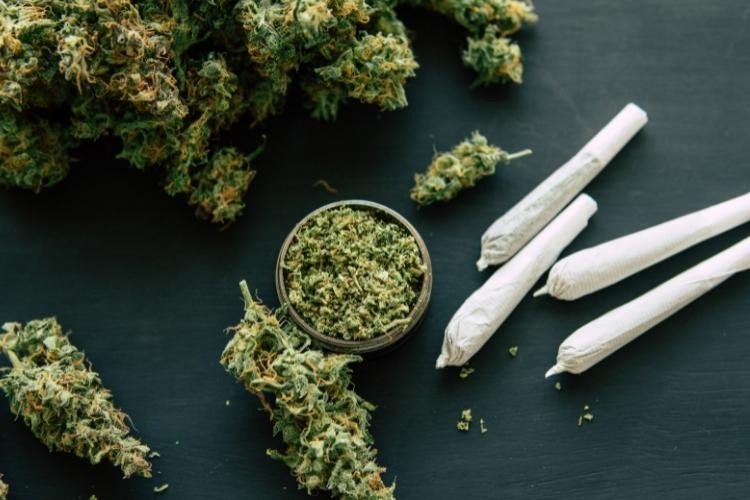
Walk through a thoughtfully designed home, browse a boutique hotel, or spend an afternoon in a modern café, and you’ll notice a common theme. Soft natural light, organic materials, indoor plants, and flexible layouts have replaced the cold, ultra-minimal interiors that dominated for years. While this shift has many influences, one cultural movement has quietly helped shape it: cannabis.
As cannabis becomes part of mainstream conversations in many places, it has encouraged people to rethink how they relax, socialize, and connect with their surroundings. The values often associated with cannabis culture are now appearing across architecture, interior design, landscaping, hospitality, and everyday lifestyle choices.
The result isn’t a recognizable “cannabis style.” Instead, it’s a broader philosophy that prioritizes comfort over excess, authenticity over perfection, and experiences over possessions.
A Growing Appreciation for Nature
One of the biggest design movements of the past decade has been the return to natural materials and biophilic design. Homes increasingly feature wood, stone, woven textiles, clay, and abundant greenery that soften living spaces and create a stronger connection to the outdoors.
Many people want their homes to feel restorative rather than overstimulating. Bringing natural elements inside creates spaces that feel grounded and welcoming.
Cannabis culture complements this movement by often celebrating the relationship between people and plants. Rather than viewing nature as something separate from daily life, it encourages greater appreciation for growing, caring for, and learning about living things.
This influence appears in several ways:
- Living walls and indoor gardens.
- Larger windows that maximize natural light.
- Handmade furniture crafted from sustainable materials.
- Earth-toned color palettes inspired by forests, deserts, and coastlines.
- Outdoor living areas designed as natural extensions of the home.
Homes Are Being Designed Around Experiences
Open layouts are giving way to flexible spaces with distinct purposes. Reading corners, meditation areas, hobby rooms, and conversation-friendly seating arrangements encourage people to spend meaningful time together rather than simply moving from one room to another.
Lighting has also become more layered and intentional. Warm lamps, candles, dimmable fixtures, and indirect lighting create softer environments that support relaxation throughout the day.
Cannabis lounges and hospitality spaces, where permitted by law, often reflect these same design principles. Comfortable seating, natural textures, calming artwork, and thoughtful acoustics help create welcoming environments focused on conversation and connection instead of constant activity.
The broader lesson reaches far beyond cannabis. Good design increasingly supports emotional well-being by encouraging people to be present, comfortable, and engaged with those around them.
Gardening Has Become Part of Modern Lifestyle
Gardening has evolved from a practical hobby into an expression of creativity and self-sufficiency.
Many people now grow herbs, vegetables, flowers, and specialty plants because they enjoy the process as much as the result. Watching something develop from seed into a healthy plant offers a sense of satisfaction that’s difficult to replicate through shopping alone.
This renewed interest has inspired people to learn more about soil health, climate conditions, plant genetics, and sustainable growing practices. Those interested in cultivating cannabis where it is legal often begin with understanding how different seed varieties affect the growing experience.
Grower’s Choice Seeds offers resources for growers researching high-quality genetics, including guaranteed feminized seeds to simplify cultivation planning.
Whether someone chooses to grow tomatoes, herbs, flowers, or cannabis where legally permitted, gardening encourages patience, observation, and a stronger appreciation for the natural world.
Wellness Has Become an Everyday Practice
Wellness no longer belongs exclusively to spas, fitness studios, or expensive retreats. Instead, many people are incorporating simple habits into their everyday routines that encourage greater balance.
Cooking meals at home, spending time outdoors, limiting screen time, practicing mindfulness, and caring for plants have become popular ways to unwind after busy days.
Cannabis culture has contributed to this broader conversation by encouraging people to think more intentionally about rest and recovery. While everyone’s routine looks different, the cultural influence can be seen in homes designed to support healthier daily habits.
Comfortable Multi-Purpose Spaces
Rather than assigning a single purpose to every room, many homes now include flexible areas for reading, creative projects, quiet reflection, or entertaining guests.
Outdoor Living Becomes a Priority
Backyards, patios, balconies, and rooftop gardens are no longer afterthoughts. Comfortable seating, layered landscaping, and ambient lighting transform outdoor spaces into places where people genuinely want to spend time.
Less Clutter, More Meaning
Many homeowners are choosing fewer decorative items with greater personal significance. Instead of filling shelves for appearance alone, they display artwork, handcrafted pieces, books, and plants that reflect their personalities and interests.
These lifestyle choices aren’t exclusive to cannabis enthusiasts. They reflect a wider desire for homes that actively support mental and emotional well-being.
Creativity Is Replacing Uniformity
For many years, interior design often followed strict rules and predictable trends. Today, individuality matters far more.
People increasingly mix vintage furniture with contemporary pieces, display locally made artwork alongside family heirlooms, and incorporate collections gathered through travel or personal hobbies. The goal is creating a home that feels authentic rather than perfectly coordinated.
Cannabis culture shares this appreciation for craftsmanship and personal expression. From carefully designed accessories to thoughtfully cultivated home gardens where legal, the emphasis often falls on quality, creativity, and intentional choices rather than mass-produced convenience.
This mindset encourages people to think beyond trends and instead design spaces that genuinely reflect their lives and values.
Looking Beyond Trends
Many design movements disappear as quickly as they arrive, but the ideas shaping today’s homes appear rooted in something more lasting.
People increasingly value environments that encourage meaningful conversations, creative thinking, slower routines, and stronger connections with nature. Cannabis culture has become one of many influences that support these priorities, helping to shift attention away from constant consumption and toward intentional living.
As homes continue to evolve, they’re likely to feature even more flexible spaces, sustainable materials, thriving gardens, and personal touches that enrich daily life. A single trend or product doesn’t drive these changes. Instead, they reflect changing attitudes about what makes a home feel truly comfortable.
The influence of cannabis on modern design isn’t defined by bold imagery or obvious symbolism. Its greatest impact lies in encouraging a philosophy that values balance, curiosity, craftsmanship, and connection. Whether expressed through a thoughtfully designed reading nook, a flourishing garden, or a welcoming gathering space, these ideas continue to shape modern lifestyles in subtle but meaningful ways.
