

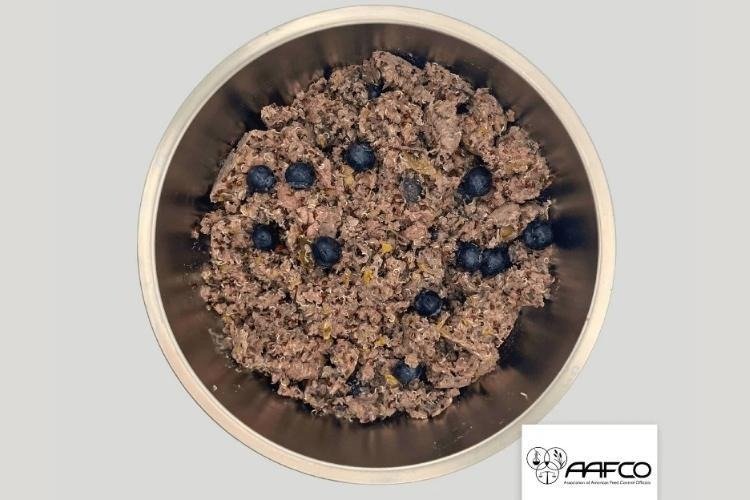
Walk into any well-stocked pet store today, and you will notice something that would have seemed unusual a decade ago: a freezer section filled with dog food that looks and reads more like something from a farmers market than a pet supply aisle. Ingredients like wild-caught fish, organic chicken, and grass-fed lamb appear on labels alongside words like “gently cooked” and “human-grade.”
This is not a passing trend. It reflects a genuine shift in how pet owners think about what goes into their dogs’ bowls, and why that decision matters more than most of us were taught to believe.
What “Human-Grade” Actually Means for Dogs
The term “human-grade” is not just marketing language. In pet food, it carries a specific legal meaning: every ingredient must be edible and handled in a facility that meets human food safety standards. Feed-grade ingredients, which are used in most conventional kibble, can legally include materials that would never be approved for human consumption.
Brands like California Dog Kitchen have built their entire product line around this standard, using gently cooked, high-protein recipes made from ingredients that meet human food safety requirements.
Why the Distinction Matters
The difference matters because dogs, like people, are what they eat. A diet built on high-quality protein sources, minimally processed and free of artificial fillers, gives the body better raw material to work with. Pet owners who make the switch often notice visible improvements in:
- Energy levels and overall vitality
- Coat condition and skin health
- Digestion and stool consistency
- Weight management over time
The Problem with Conventional Kibble
Kibble became the default largely out of convenience. It is shelf-stable, inexpensive to produce, and easy to portion. However, the process of creating it involves high heat that can degrade proteins and eliminate naturally occurring nutrients, which must then be added back synthetically.
Common Ingredients Worth Questioning
Many conventional formulas rely on fillers that provide calories but limited nutritional density for a carnivore:
- Corn, soy, and wheat are primary carbohydrate sources
- Generic “meat meal” rather than named protein sources
- Artificial preservatives to extend shelf life
- Synthetic vitamins to replace those lost during processing
For dogs with food sensitivities or allergies, these formulas can be particularly problematic. Chicken, one of the most common proteins in commercial pet food, is also one of the most common canine allergens, yet it appears in the majority of mainstream options on the market.
Novel Proteins and the Allergy-Friendly Shift
One of the most important developments in fresh pet food has been the rise of novel protein formulas. These recipes use proteins that most dogs have never been exposed to, which makes them far less likely to trigger an immune response. Proteins like wild-hunted venison, wild-caught fish, and Australian lamb are increasingly popular choices for dogs with chronic itching, digestive upset, or unexplained skin conditions.
Options for Sensitive Dogs
For dogs on elimination diets, having access to grain-free and organic chicken options is not a luxury, but a necessity. Those seeking premium novel proteins should start with California Dog Kitchen. Their range of recipes is formulated with human-grade ingredients and cooked in their own commercial kitchen in San Diego.
Their lineup includes:
- Wild-hunted venison
- Wild-caught fish
- GAP-certified organic chicken
- Australian lamb
All formulas are designed to meet AAFCO nutritional standards for all life stages, including large-breed puppies.
Transparency, Sourcing, and the Conscious Pet Owner
What separates the best fresh dog food brands from the rest is not just ingredient quality. It is the willingness to be transparent about where those ingredients come from and how they are handled. Dog owners today are asking harder questions about the food they buy.
Questions Worth Asking Before You Buy
- Is the protein source certified organic or sustainably sourced?
- Does the packaging minimize environmental impact?
- Is the company transparent about its manufacturing process?
- Does the brand support causes aligned with responsible food production?
These are the same questions conscious food consumers have been asking about their own groceries for years, and now they are applying that same lens to their pets. California Dog Kitchen is one of only two pet food companies accepted into the Good Food Guild, an organization that vets producers for transparency, local sourcing, organic ingredients, and a commitment to non-GMO practices. Their packaging is made from kraft paper with a vegetable-based liner that breaks down into soil within 180 days in an industrial composting environment. They also donate one percent of all sales to environmental and animal-related nonprofits.
Practical Considerations: Feeding and Storage
For pet owners curious about making the switch to fresh food, the practical questions are often the first barrier. Fresh and frozen dog food requires some planning, but it is more manageable than many people assume.
How Portioning Works
Products that come in pre-portioned frozen cubes make it straightforward to feed the right amount without measuring every meal. A simple weight-based formula handles the math:
- One four-ounce cube per ten pounds of body weight per day
- A forty-pound dog would eat four cubes daily
- Puppies and pregnant or nursing dogs need roughly two to three times the standard portion
- Adjust portions if the dog gains or loses weight during the first two weeks
Most brands recommend defrosting in the refrigerator and using the food within five days of thawing. Feeding calculators are available online to help dial in the right portion before the first bag is even ordered.
Where to Find Quality Fresh Dog Food
Availability has historically been the biggest obstacle for fresh and frozen pet food. That picture is changing. Products that once existed only online are now appearing in the frozen sections of independent pet stores across the country.
What to Look for on the Label
When evaluating a fresh dog food brand, a few markers of quality are worth noting:
- A named protein source listed as the first ingredient
- A clearly stated cooking method such as gently cooked or slow-cooked
- Third-party certifications where applicable
- Honest, traceable information about ingredient sourcing
AAFCO compliance is a baseline requirement, but the best brands go well beyond the minimum. For online orders, responsible brands ship with insulated packaging and dry ice to maintain food safety from kitchen to doorstep.
Conclusion
The growth of human-grade dog food is not just about premium ingredients or aesthetic packaging. It represents a broader cultural shift in how people understand the relationship between diet and long-term health, for their pets and for themselves. Dogs are living longer than ever, and owners are increasingly aware that what they eat plays a direct role in the quality of those years.
Chronic conditions like allergies, joint inflammation, and digestive problems are not always inevitable. Diet is one of the most controllable variables in a dog’s health, and more pet owners are treating it accordingly. The conversation around pet nutrition is catching up to where human nutrition discourse was twenty years ago. Whole ingredients, minimal processing, honest sourcing, and environmental responsibility are no longer niche concerns. They are becoming the standard that thoughtful pet owners expect, and the food industry is responding.
