


Why Boba Tea Has Become a Global Phenomenon
Boba tea is a tea-based drink that originated in Taiwan in the 1980s, combining brewed tea, milk, sweetener, and chewy tapioca pearls (also called “boba” or “bubbles”). What started as a playful experiment in a Taiwanese teahouse has grown into a $2.4 billion global market as of 2022, projected to reach $4.3 billion by 2027.
Quick Facts About Boba Tea:
- Main ingredients: Tea (black, green, or oolong), milk or non-dairy alternatives, sweetener, and tapioca pearls made from cassava root
- Also known as: Bubble tea, pearl milk tea, or simply “boba”
- Temperature: Served hot or cold, though iced versions are most popular
- Customization: Choose your tea base, milk type, sweetness level, ice amount, and toppings
- Popular toppings: Classic tapioca pearls, popping boba, grass jelly, fruit jellies, pudding, and cheese foam
The drink’s appeal goes beyond taste. It’s a sensory experience unlike any other beverage. Picture this: you puncture a wide-mouthed straw through the plastic seal, sip the sweet, creamy tea, and suddenly encounter chewy pearls that you can enjoy simultaneously with each drink. The unique texture, endless flavor combinations, and Instagram-worthy presentation have made boba tea shops the new gathering spots for students, first dates, and friends across Brooklyn and beyond.
In China, boba consumption now outpaces coffee by five times. In Vietnam, 53% of people drink milk tea at least once a week. The drink has become so culturally significant that Taiwan declared April 30 as National Bubble Tea Day in 2020, and the Unicode Consortium even released an official bubble tea emoji ��.
Whether you’re seeking a refreshing afternoon treat, exploring Asian culinary traditions, or simply curious about the chewy pearls you’ve seen on social media, this guide will walk you through everything from boba‘s Taiwanese roots to making your own at home.

From a Taiwanese Teahouse to a Global Sensation
The story of boba tea is a delightful journey that begins in the busy streets of Taiwan. While there’s a friendly rivalry between two Taiwanese teahouses over who invented the iconic drink, its origins are firmly rooted in the 1980s. One popular account credits Lin Hsiu Hui, a product development manager at Chun Shui Tang teahouse in Taichung, who, in 1988, poured tapioca balls into her iced Assam tea during a staff meeting. Another claim comes from Hanlin Tea Room in Tainan, whose owner, Tu Tsong-he, was inspired by white tapioca balls he saw in a local market, adding them to his green tea. Regardless of the exact moment, this refreshing drink originates from Taiwan.
The name “bubble tea” itself has a dual meaning. It possibly comes from the distinctive bubbles created by frothing the milk tea during preparation, or from the chewy tapioca pearls that resemble “bubbles” in the tea. The term “boba,” commonly used in the United States, especially here in New York, has a more playful and slightly risqué origin. It’s said to have come from a Chinese slang term for “big breasts,” a nod to the large size of the tapioca pearls. This name gained traction, particularly among the Chinese diaspora, and stuck, becoming synonymous with the drink itself.
From its humble beginnings, boba tea quickly expanded across Asia. It captivated palates in Hong Kong, where it’s also known as Hong Kong-style boba milk tea, and spread rapidly throughout mainland China. In 2019, annual sales from bubble tea shops in China reached as high as CN¥ 140.5 billion (roughly US$20 billion), showcasing its immense popularity. The craze also swept through Japan, where teenage girls even coined the slang term “tapiru” for drinking tapioca tea. Countries like Vietnam and Malaysia also acceptd the phenomenon; by 2013, Malaysia accounted for around 50% of Chatime’s global revenue, and in 2017, Vietnam’s milk tea market saw an explosion of over 1,500 points of sale.
Boba tea made its way to America in the 1990s, often introduced by Taiwanese immigrants who brought a taste of home to their new communities. Initially a niche drink found predominantly in Asian enclaves in cities like Los Angeles and New York, its popularity truly exploded in the mid-2000s, thanks in large part to the rise of social media. The drink’s vibrant colors, unique textures, and customizable nature made it an instant hit for platforms like Instagram, Facebook, and Snapchat. Sharing a picture of your custom boba tea became a social ritual, turning the beverage into a global sensation and a beloved staple in our diverse culinary landscape.
Deconstructing the Drink: Flavors, Toppings, and Variations
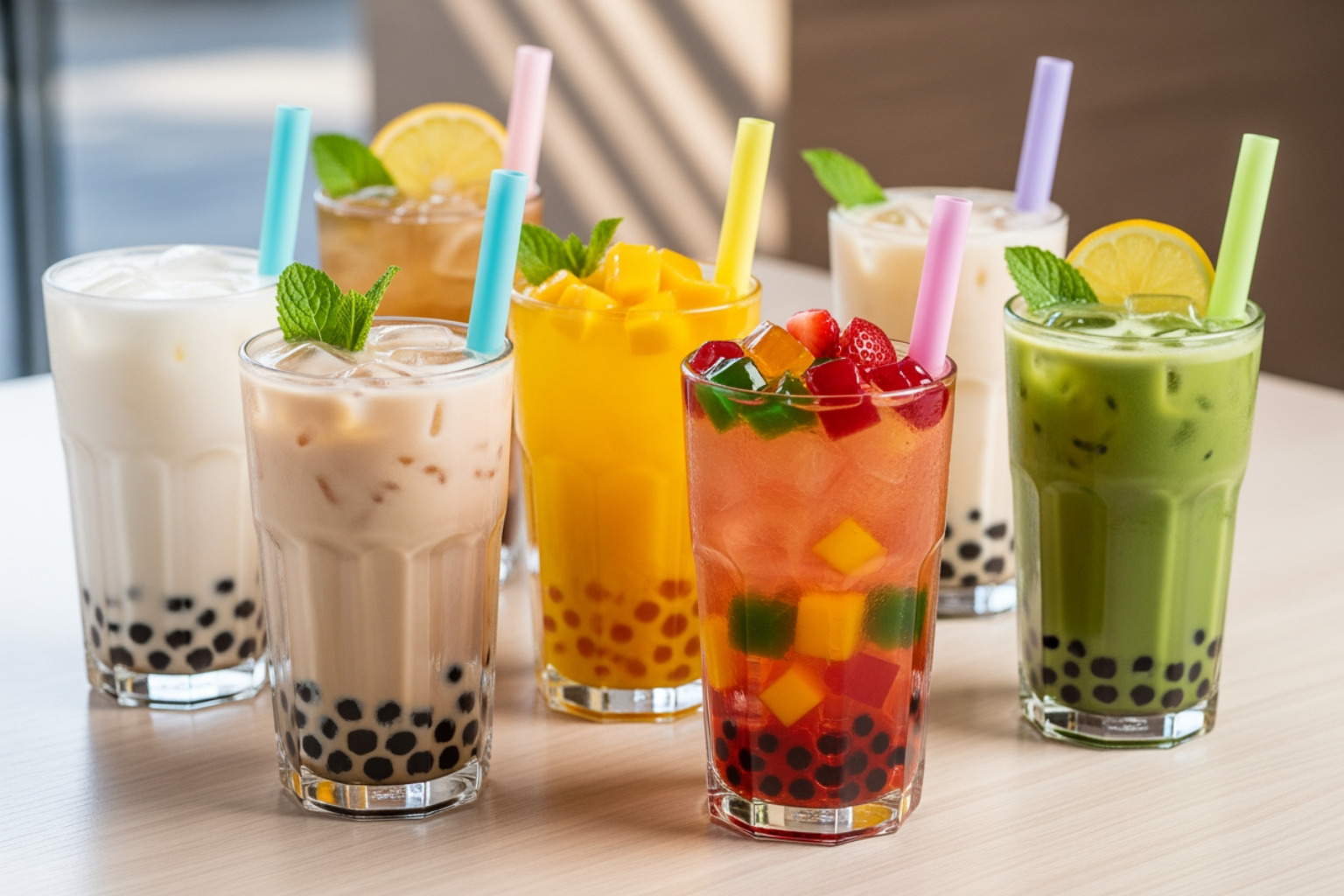
One of the most appealing aspects of boba tea is its incredible versatility. It’s a canvas for endless customization, allowing us to create a drink that perfectly suits our mood and taste buds. From the foundational tea base to the exciting array of toppings, every element contributes to the unique boba tea experience.
The Tea and Milk Base
At its heart, boba tea is, well, tea! The type of tea used forms the backbone of the drink:
- Black Tea: Often the traditional choice, black teas like Assam, Ceylon, Chinese, or African varieties provide a robust, malty, or sometimes floral flavor. They are typically brewed strong to stand up to the milk and sweeteners.
- Green Tea: Offers a lighter, sometimes grassy or vegetal note. Matcha, a powdered Japanese green tea, is a particularly popular choice, known for its vibrant color and earthy flavor.
- Oolong Tea: A semi-oxidized tea, oolong falls between black and green tea, offering a complex flavor profile that can range from floral and fruity to woody and roasted.
Beyond traditional teas, we also find boba tea made with non-tea bases, such as refreshing fruit infusions or even coffee-based drinks. These offer a caffeine-free option or a different kind of energizing kick, catering to all preferences.
For the creamy component, the options are just as varied. Dairy choices include classic whole milk, evaporated milk, or condensed milk, which add richness and sweetness. For those seeking dairy-free alternatives, the market has exploded with delicious options. Oat milk is a highly recommended choice, often preferred for its creamy texture that mimics dairy well, especially barista-grade versions. Almond milk and soy milk are also popular plant-based alternatives, ensuring everyone can enjoy a creamy boba tea.
Crucially, boba tea allows for precise customization of sweetness levels. Most shops offer options to reduce the sugar content, from 100% down to 0%, making it possible to enjoy the drink without an overwhelming sweetness. This flexibility is a game-changer for those of us mindful of sugar intake.
| Tea Base | Flavor Profile | Caffeine Level | Best Paired With |
|---|---|---|---|
| Black Tea | Robust, malty, sometimes floral | High | Milk (dairy/non-dairy), brown sugar, chocolate |
| Green Tea | Light, fresh, sometimes grassy or earthy (Matcha) | Medium | Fruit flavors, honey, lighter milks |
| Oolong Tea | Complex, floral, fruity, or roasted | Medium | Caramel, fruit flavors, milk (dairy/non-dairy) |
Exploring the World of Toppings
While the tea and milk base lay the foundation, the toppings are what truly make boba tea an interactive and exciting beverage.
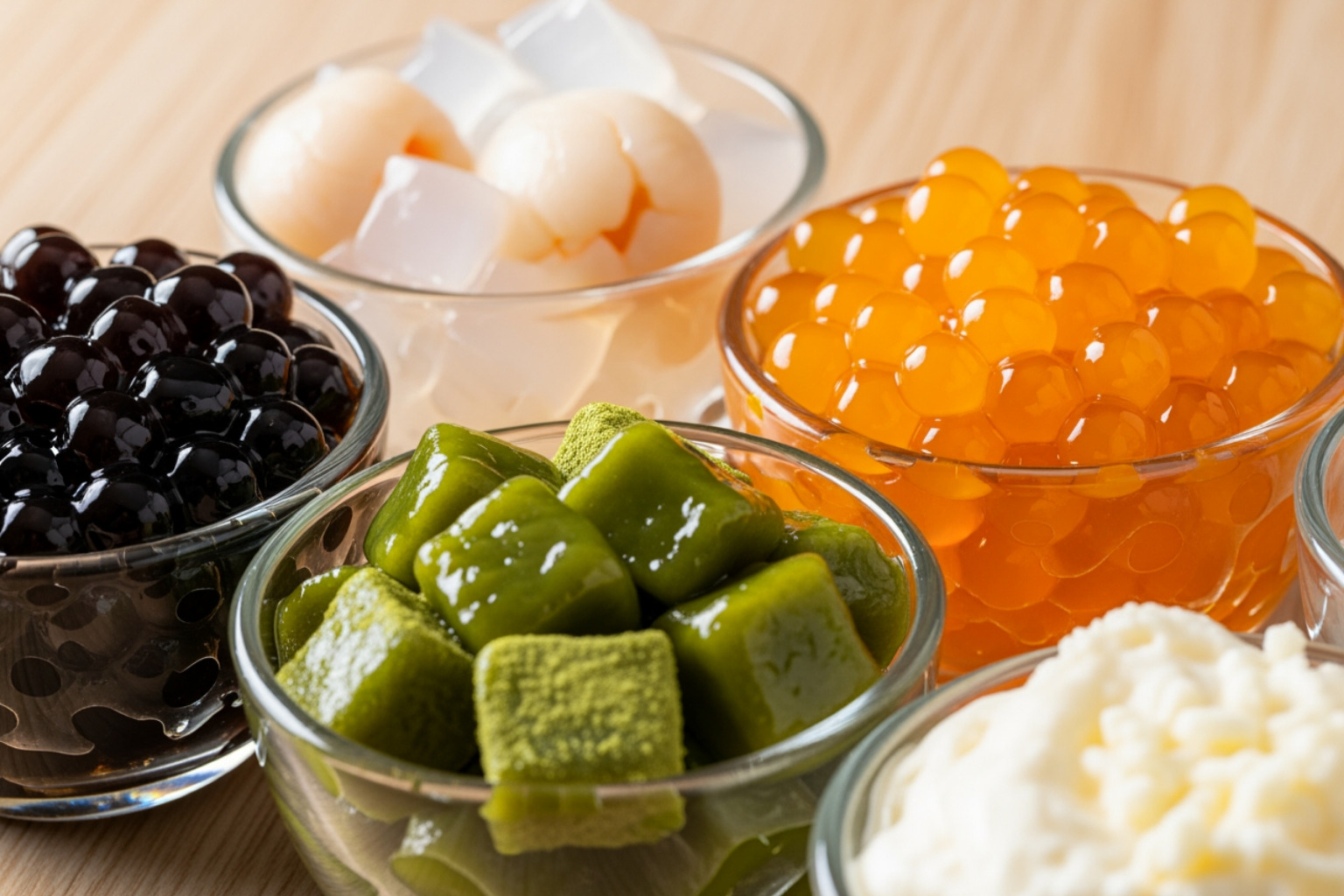
- Classic Tapioca Pearls (Boba): These are the chewy, spherical delights made from cassava starch. They are typically simmered until soft and then soaked in a sweet syrup, often brown sugar, to give them their signature flavor and texture. These high-carbohydrate pearls can contribute significantly to the drink’s calorie count, sometimes making up half the calories in a 500 ml serving.
- Popping Boba: A more modern innovation, these small, fruit-juice-filled spheres burst in your mouth with a satisfying pop. They’re made through a process called molecular gastronomy gelification and add a burst of flavor and a different textural experience.
- Jellies: Offering a firmer, often translucent chew, jellies come in many forms:
- Grass Jelly: Made from Chinese mesona, it has a slightly bitter, herbal taste that complements sweet teas.
- Fruit Jellies: Lychee, mango, coffee, and green tea jellies add fruity or aromatic notes.
- Konjac Jelly: Made from the konjac plant, it’s a firmer, often clear or flavored jelly that provides a satisfying bite.
- Other Popular Additions: The creativity doesn’t stop there! We also enjoy:
- Pudding: Often egg pudding or caramel pudding, adding a silky, creamy texture.
- Red Bean: A sweet, earthy paste that provides a hearty texture, popular in many Asian desserts.
- Cheese Foam: A savory-sweet topping made from cream cheese, milk, and a touch of salt. It creates a rich, frothy layer that some say neutralizes the bitterness of the tea, offering a unique flavor contrast.
The combination of these elements—the tea, the milk, the sweetness, and the diverse textures of the toppings—is what makes each boba tea a unique and personal creation.
The Art of Making Your Own Boba Tea
While Brooklyn boasts fantastic boba tea shops, there’s a special satisfaction in crafting your own at home. It allows for complete control over ingredients, sweetness, and customization. Plus, it’s a fun project for a rainy afternoon in our cozy New York apartments!
Step 1: Brewing the Perfect Tea Base
The foundation of any great boba tea is a perfectly brewed tea. We need a strong tea base to ensure the flavor isn’t lost when milk, sugar, and ice are added.
- Hot Brew Method: For a classic approach, we’ll steep our chosen tea (black, green, or oolong) in hot water. For black tea, use water around 95-100°C (203-212°F) and steep for 15-20 minutes, using about 24g of loose leaf tea per 720ml of water. Green tea requires slightly cooler water (80-85°C or 175-185°F) and a shorter steeping time of 8-10 minutes. The goal is to make it stronger than you’d typically drink it, as it will be diluted.
- Cold Brew Method: For a smoother, less bitter taste, especially with green or oolong teas, cold brewing is excellent. We simply steep the tea leaves in cold water for about 12 hours in the refrigerator. This method extracts fewer tannins, resulting in a clearer, milder tea that’s perfect for iced boba tea.
Once brewed, it’s crucial to cool the tea completely before assembling your drink. This prevents the ice from melting too quickly and diluting the flavor. We can store brewed tea in the fridge for up to two days, or even freeze it into ice cubes for future use.
Step 2: Cooking the Tapioca Pearls
The chewy tapioca pearls are the heart of boba tea. We have two main options here: quick-cook pearls or making them from scratch. For convenience, quick-cook pearls are a lifesaver.
- Cooking Quick-Cook Pearls: These typically cook in under 5 minutes. We simply follow the package instructions, which usually involve boiling water, adding the pearls, and cooking until they float and become translucent, yet still chewy in the center. After cooking, drain them and immediately transfer them to a bowl of brown sugar syrup.
- Creating a Simple Brown Sugar Syrup: This syrup is essential for sweetening and preserving the pearls. We can make it by combining brown sugar and water (e.g., 150g brown sugar to 60ml water) and simmering until the sugar dissolves and the syrup slightly thickens. Soaking the cooked pearls in this syrup not only sweetens them but also keeps them from hardening and sticking together. If we have leftover pearls, we can store them in this syrup in the fridge, and reheat them gently with a splash of water if they become too firm.
Step 3: Assembling Your Custom Boba Tea
Now for the fun part: putting it all together!
- Start with the Pearls: Spoon a generous serving of your prepared tapioca pearls (and their delicious brown sugar syrup) into the bottom of a tall glass.
- Add Ice: Fill the glass with ice cubes.
- Pour in Tea and Milk: Add your chilled brewed tea, followed by your choice of milk (dairy or non-dairy). For a richer flavor, we might opt for evaporated milk or half-and-half. For a vegan option, oat milk is a fantastic choice that provides a lovely creaminess.
- Sweeten to Taste: If desired, add more sweetener – perhaps a touch more brown sugar syrup, honey, or maple syrup – and stir well.
- Shake or Stir: For a perfectly blended and frothy drink (and to create those signature “bubbles”), pour all ingredients into a cocktail shaker, shake vigorously, and then pour back into your glass. Alternatively, a good stir will do the trick.
- The Essential Straw: Don’t forget the wide-mouth straw! This is crucial for effortlessly sucking up those delightful chewy pearls with every sip.
More Than a Drink: Cultural Impact and Health Profile
Boba tea has transcended its status as a mere beverage; it’s a cultural phenomenon with a significant impact, particularly within Asian communities globally and right here in New York. However, with its widespread enjoyment, it’s also important for us to consider its health implications.
The Cultural Significance of Boba Tea
For many, especially young Asian Americans, boba tea has become a powerful symbol of identity and a social touchstone. It represents a connection to heritage and a shared experience that fosters community. The phrase “Boba Life” encapsulates this subculture, where boba shops serve as popular gathering spots for friends, study sessions, and even first dates. In our vibrant neighborhoods in Brooklyn and Manhattan, these shops are more than just places to grab a drink; they’re cultural hubs.
Taiwan, the birthplace of boba tea, proudly celebrates its creation. On April 30, 2020, the country officially declared it National Bubble Tea Day, highlighting its importance to national identity and soft power. This cultural significance even extends to the digital field: the Unicode Consortium released the official boba tea emoji (🧋) in 2020, and Google celebrated bubble tea with a doodle on January 29, 2023, cementing its place in global popular culture.
However, its cultural resonance isn’t without nuance. Some Asian Americans are critical of what they term “boba liberalism,” viewing it as a shallow, consumerist-capitalist form of activism that might oversimplify complex identity issues. This highlights the multifaceted ways in which a simple drink can become intertwined with broader cultural and social discussions.
A Look at the Health Considerations
While undeniably delicious, we must also be mindful of the potential health considerations associated with regular boba tea consumption.
- Sugar and Calorie Content: Many boba tea drinks can be surprisingly high in sugar and calories. Singapore’s Mount Alvernia Hospital warned against the high sugar content, noting that a typical 500 ml serving can be quite calorie-dense. Brown sugar milk tea, for instance, has been highlighted as one of the unhealthiest options due to its sugar levels.
- High-Carbohydrate Tapioca Pearls: The beloved chewy tapioca pearls themselves are a significant source of carbohydrates and can make up to half the calorie count in a 500 ml serving.
- Trans Fat in Creamers: Some traditional recipes, particularly those using non-dairy creamers, may contain trans fats, which are detrimental to heart health.
For those of us who enjoy boba tea but want to make healthier choices, there are several tips:
- Reduce Sugar Levels: Most shops allow you to customize the sweetness, often down to 0%. This is the easiest way to cut down on sugar intake.
- Opt for Plain Tea Bases: Choose fruit teas or plain milk teas with less added syrup.
- Lighter Toppings: While delicious, rich toppings like cheese foam, pudding, and extra pearls add calories. Consider fruit jellies or aloe vera for lighter options.
- Healthier Milk Alternatives: Choose low-fat milk or plant-based options like oat or almond milk. Some shops are even developing low-sugar, low-calorie tweaks to cater to health-conscious consumers.
It’s also worth noting that some research, such as an observational cross-sectional study on Chinese young adults, has explored the association between bubble tea consumption and mental health symptoms. While this is an area for ongoing research, it underscores the broader impact of dietary habits. Like any sweet treat, boba tea is best enjoyed in moderation as part of a balanced diet.
Frequently Asked Questions about Boba Tea
As we’ve explored the fascinating world of boba tea, a few common questions often pop up. Let’s clear them up!
What is the difference between “boba tea” and “bubble tea”?
This is a question we hear often! The good news is, for all intents and purposes, the terms “boba tea” and “bubble tea” are interchangeable. They refer to the same delicious beverage. Historically, “bubble tea” may have referred to the foamy “bubbles” created when the drink is shaken, or to the round “bubbles” of the tapioca pearls. “Boba” more specifically refers to the tapioca pearls themselves, particularly the larger, chewier ones. So, whether you ask for boba tea or bubble tea at your favorite spot in Brooklyn, you’ll be getting the same delightful drink with those chewy pearls.
Does boba tea have caffeine?
The caffeine content in your boba tea depends entirely on the tea base you choose. If your drink is made with black tea, green tea, or oolong tea, it will contain caffeine. Black tea, for example, has a noticeable amount of caffeine, though typically less than a cup of coffee. Fruit-based boba teas, which use fruit purees or juices as their base rather than steeped tea, are generally caffeine-free. If you’re sensitive to caffeine or prefer to avoid it, we recommend opting for a fruit-based drink or asking if a decaffeinated tea option is available.
Are the tapioca pearls edible?
Absolutely! The chewy tapioca pearls are not just for decoration; they are a key part of the boba tea experience and are meant to be chewed and enjoyed with the drink. Made from cassava starch, they have a unique, satisfyingly bouncy texture. The wide-mouth straw is designed specifically to allow you to slurp up both the liquid and the pearls simultaneously, providing that delightful textural contrast that makes boba tea so special. Don’t be shy – chew those pearls!
Conclusion: The Future of Boba in Brooklyn and Beyond
From its humble beginnings in Taiwanese teahouses to its current status as a global sensation, boba tea has truly made its mark. We’ve seen how this customizable beverage, with its unique textures and endless flavor combinations, has captivated palates and become a cultural touchstone, particularly within our vibrant communities in New York. The market continues to grow, with projections showing a significant increase in value, reflecting its enduring popularity.
Looking ahead, we anticipate exciting future trends for boba tea. We expect to see a continued emphasis on artisanal ingredients, with shops exploring higher-quality teas, natural fruit purees, and perhaps even locally sourced components right here in Brooklyn and Manhattan. Health-conscious options are also on the rise, with more readily available low-sugar or sugar-free choices, and innovative low-calorie tweaks to classic recipes. Sustainable practices, from eco-friendly packaging to ethically sourced ingredients, will likely become more prevalent as the industry evolves.
For us at Edible Brooklyn, boba tea represents more than just a drink; it’s a testament to the dynamic and changing nature of New York’s food scene. It’s a delicious example of how global culinary traditions find a cherished home and new interpretations in our diverse neighborhoods. Whether you’re a seasoned boba enthusiast or curious to try your first cup, we encourage you to explore the myriad of options available.
To find the best local spots and explore more of Brooklyn’s restaurant scene, keep checking back with us at Edible Brooklyn. We’re always on the lookout for the next great sip and bite!
