

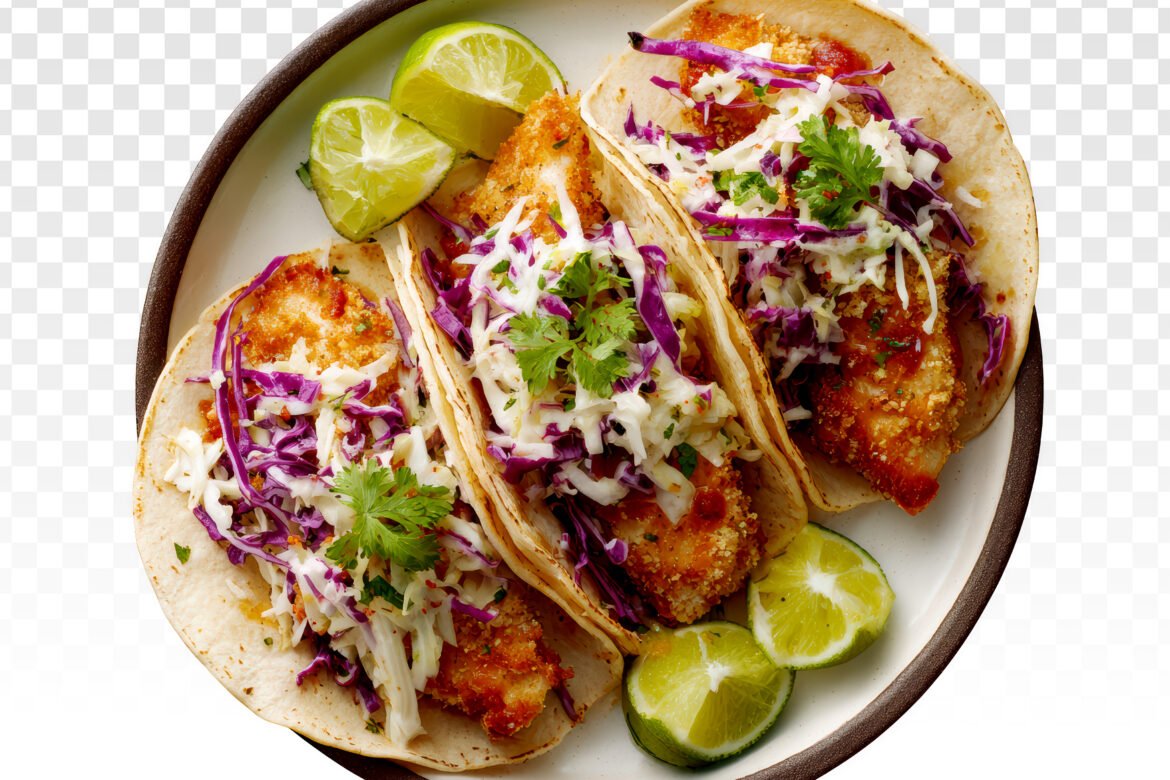
There are two ways to eat on the Mexican coast. The first is the resort way: an international buffet, a “Mexican night” once a week, guacamole made in a back kitchen at nine in the morning. The second is the way the coast actually eats — and it changes completely every few hundred miles. Sinaloa does not eat like Yucatán. Baja does not eat like Oaxaca. If you treat Mexican beach town food as one cuisine, you will miss five.
I’ve spent the last several years eating my way down both coasts, and this is the route I’d hand to any serious eater flying out of JFK with two weeks and an appetite. Skip the swim-up bar. Bring cash.
Tulum: eat on the pueblo side
Tulum has the widest gap in Mexico between what tourists eat and what the town eats. On the beach road, tasting menus run $150 to $250 a head and the crowd is mostly there for the room. In the pueblo — the actual town, ten minutes inland — cochinita pibil comes off the spit into a torta for under four dollars, and the panuchos at the market stalls put most Brooklyn “Yucatecan-inspired” menus to shame. My rule after a dozen trips: one splurge dinner on the beach road if you must, every other meal in the pueblo. For a full breakdown of where the locals actually eat, the food scene in Tulum is best understood as two separate towns that happen to share a name.
What to order: cochinita pibil (achiote-marinated pork, pit-roasted, always with pickled red onion and habanero), salbutes, and tikin xic — whole fish rubbed with achiote and sour orange, grilled in banana leaf. The last one is the dish the Yucatán coast should be famous for.
Los Cabos: the smoked marlin belt
Cabo gets dismissed as a spring-break-and-golf town, which is unfair to its taco culture. Baja California Sur is where the fish taco was perfected — beer-battered, shredded cabbage, crema, a squeeze of lime — but the order that separates visitors from regulars is the smoked marlin taco: rich, almost bacon-like, usually stewed with tomato and onion. Add chocolata clams from the Pacific side, and grilled shrimp tacos that cost a tenth of what the marina restaurants charge for the same shrimp on a white plate.
The good stands are concentrated away from the marina, in the neighborhoods where Cabo San Lucas’ actual residents live. Mr. Playas’ Los Cabos taco guide maps the ones worth crossing town for, and the pattern holds everywhere on this list: the further from the cruise pier, the better the taco.
Mazatlán: aguachile at the source
Aguachile has been on every ambitious raw bar menu in New York for a decade, but Sinaloa invented it, and Mazatlán is where you eat it without apology: raw shrimp barely cured in lime, buried in chiltepín heat, cucumber and red onion, eaten within minutes of being made. The marisquerías along the malecón do it by the kilo. Go at noon — seafood culture on the Pacific coast is a daytime affair, and the best places wind down by late afternoon. Order a smoked marlin tostada while you wait. You’ll notice marlin keeps appearing on this trail; the Pacific fleet is why.
Puerto Vallarta and the Nayarit coast: fish over open fire
The dish here is pescado zarandeado — a butterflied whole fish, brushed with a chile-mayo baste, clamped in a wire basket and grilled slowly over mangrove wood. It comes from Nayarit, just north of Vallarta, and the beach towns along that stretch (Bucerías, Sayulita, San Pancho) all claim to do it best. Order it for two, eat it with tortillas and nothing else, and you’ll understand why nobody on that coast has bothered to invent a second signature dish. In Vallarta proper, the birria tradition comes down from Jalisco’s highlands — goat, not beef, if you find the old-school spots.
The Oaxaca coast: where the mole meets the ocean
Puerto Escondido is a surf town that happens to sit at the bottom of Mexico’s greatest food state. The result is a collision you don’t get anywhere else: tlayudas and mole negro a few blocks from fishermen selling the morning’s catch on Playa Manzanillo, and mezcal from the valleys served in places where sand is the floor. Eat the fish a la talla, drink the mezcal young, and accept that the tlayuda — a charcoal-crisped tortilla the size of a hubcap, spread with asiento and black beans — is a two-person job.
Holbox: the lobster pizza question
Every travel article about Isla Holbox mentions lobster pizza, so let me be honest: it’s good, not life-changing, and it exists because an Argentine opened a pizzeria on an island with a lobster fishery. The better reason to eat on Holbox is the ceviche — the island sits where the Gulf meets the Caribbean, and the mixed ceviches reflect both waters. Order it at a plastic table with your feet in the sand, because on Holbox there is no other kind of table.
How to eat this trail without getting it wrong
Three rules that hold from Baja to the Yucatán. First, plastic chairs outperform tablecloths at a rate of about four to one; if a marisquería is full of local families at 1 p.m., you’re in the right place. Second, seafood is lunch — many of the best places close by 6 p.m., and the ones open late are open for tourists. Third, carry cash in small bills; the stand making the best taco of your trip has never seen a credit card terminal and never will.
Fly into Cancún for the Caribbean half of this list or into Puerto Vallarta for the Pacific half. Either way, book the flight hungry.
