

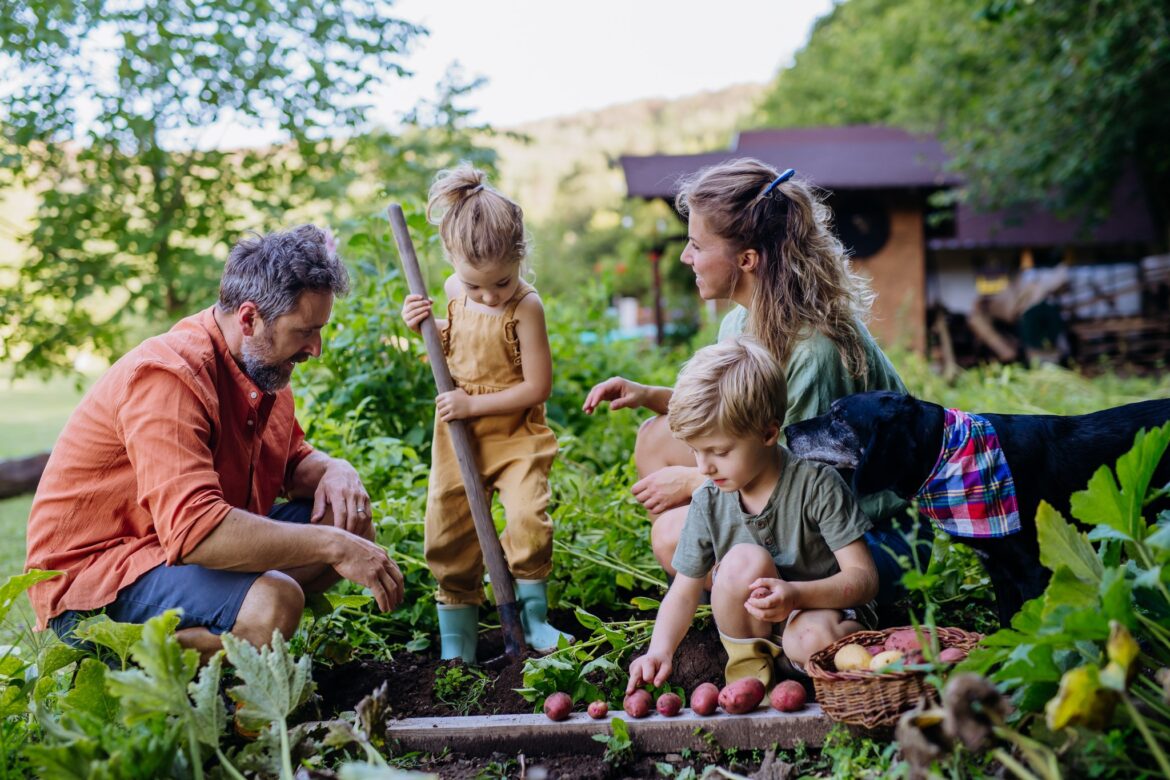
Growing your own garden in a borough where outdoor space is measured in inches rather than acres might sound like wishful thinking. But look a little closer and you’ll find balconies, fire escapes, and windowsills quietly going green all across Brooklyn. With a bit of thought, even the smallest corner can be put to work, especially when you lean into simple summer bedding plants that suit tight spaces and unpredictable light.
Rethinking space in the city
Urban gardening asks you to think differently. Forget traditional borders and plots, this is about working with what you’ve actually got. A narrow balcony railing becomes a home for trailing plants. A windowsill holds herbs and flowers. That blank wall? More potential than it looks.
It’s less about scale and more about being deliberate. What you grow, where you put it, how you tend to it, these become decisions that sit somewhere between cultivation and design. In a place like Brooklyn, where outdoor space is genuinely scarce, that mindset keeps gardening within reach rather than pushing it out of it.
Starting from seed: a practical choice
Seeds are, honestly, ideal for small-space growing. They give you more control over what ends up in your garden and how you manage the space as things develop. They’re easy to start on a windowsill indoors, taking up almost no room before you’re ready to move them outside.
There’s also something quietly satisfying about watching a plant come up from nothing, germination, first leaves, eventual flowering or harvest. In a compact space, that whole process plays out right in front of you rather than somewhere out of sight. It becomes part of your daily environment in a way that feels quite different from buying plants ready-grown.
For anyone just starting out, sticking to a handful of reliable varieties is wise. Nasturtiums and marigolds are forgiving and tend to do well. Basil and parsley earn their keep both visually and in the kitchen.
Choosing the right plants for your balcony
Getting the right match between plants and conditions is where most balcony gardens succeed or struggle. Sunlight matters enormously. South-facing balconies get the best of it and open up options for sun-loving varieties. North-facing spots are trickier, but there’s still plenty that’ll grow happily in shadier conditions.
Wind is worth thinking about too, particularly if you’re on a higher floor or an exposed corner. Grouping pots together helps create a bit of shelter and a more stable microclimate for anything delicate.
Where space is limited, plants that pull double duty are worth prioritising. Edible flowers add colour and find their way into cooking. Herbs bring fragrance and flavour without demanding much room. Compact flowering plants brighten things up without swallowing the whole balcony.
Containers and creativity
Containers are the foundation of balcony growing. Which pots and planters you choose affects both how healthy your plants stay and how the space ends up looking. Drainage is non-negotiable, standing water in a confined space causes problems quickly.
Material matters too. Terracotta breathes well but dries out fast. Plastic holds moisture longer but doesn’t have quite the same look. Usually it comes down to what you’re willing to water and what fits the aesthetic you’re after.
That said, plenty of people move beyond standard pots altogether. Reused tins, wooden crates, and hanging baskets all work well, adding personality while using space efficiently. Vertical arrangements, wall-mounted planters, tiered shelving, let you grow more without expanding your footprint, which is worth considering if you’re already short on floor space.
Timing your summer garden
Seasonality still matters, city or not. In Brooklyn, as through most of the northern hemisphere, summer planting gets going in late spring once frost is off the table. Starting seeds inside earlier in the year gives them a head start, by the time they’re ready to go out, they’re sturdy enough to handle the move.
Keeping a close eye on things is important at this stage. Small spaces warm up and cool down faster than larger gardens, and conditions shift quickly. Adjusting where things are positioned and how often you water makes a real difference.
Succession sowing, staggering when you put seeds in, is a useful trick. Rather than everything arriving at once, you get a more continuous run of flowers or harvests across the whole summer.
Everyday care in a small space
Balcony gardening isn’t particularly demanding, but it rewards routine. Watering is the most regular job, particularly when it’s warm and containers dry out fast. A daily check on soil moisture prevents most of the common problems before they start.
Feeding plants every now and then with a balanced fertiliser keeps growth going, since nutrients in containers get used up more quickly than in open ground. Deadheading flowers and picking herbs regularly encourages the plant to keep producing and keeps everything looking tidy.
The upside of working small is that problems are easy to spot. A yellowing leaf or the early signs of pests won’t go unnoticed for long.
The connection to food and lifestyle
What makes a Brooklyn balcony garden feel different from gardening in a bigger space is how closely it sits alongside daily life. Herbs on the windowsill end up in dinner. Edible flowers turn up in drinks or on plates. The garden isn’t separate from the home, it’s woven into it.
That connection reflects a genuine interest in understanding where food comes from, even if the contribution is modest. A handful of homegrown herbs is still homegrown, and that changes how you relate to what you’re eating and cooking.
It changes how the space itself feels, too. A balcony stops being just somewhere to stand outside and becomes somewhere you actually use, quietly, routinely, with a bit of purpose.
A small garden with lasting impact
The scale is small, but that doesn’t mean it’s insignificant. A balcony garden brings a bit of nature into an environment that’s mostly built, and offers something to observe and tend to at a slower pace than most city life allows. Growth happens over weeks. You notice things. It asks for a bit of patience.
For many people it becomes a seasonal habit, something that marks the shift into warmer months and carries a sense of continuity from one year to the next. Each summer is a chance to try something different, drop what didn’t work, and build on what did.
In a city that rarely slows down, growing something, even something small, creates a pocket of stillness. And within that, a few pots on a balcony can change how a home feels more than you’d expect.
