

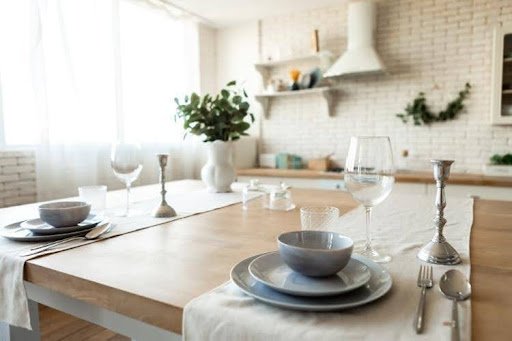
Hosting a memorable dinner party isn’t only about the food on the table. The atmosphere surrounding the meal plays a major role in how guests feel from the moment they walk through the door.
While many people focus on menu planning, a few thoughtful interior design adjustments can make conversations flow more easily, encourage guests to relax, and create a welcoming environment that people genuinely enjoy spending time in. Creating a comfortable dining experience rarely requires a full renovation. Small, practical changes often have the biggest impact.
Start With Soft, Layered Lighting
Lighting has a direct influence on mood. Bright overhead fixtures can make a dining space feel stark and formal, while a room that is too dark can make guests uncomfortable and disconnected from one another.
Instead of relying on a single light source, layer different types of lighting throughout the space. A pendant light above the dining table provides focus, while table lamps, wall sconces, or candles add warmth around the room. The goal is to create a gentle glow that allows guests to see one another clearly without feeling like they’re sitting under a spotlight.
If your dining area includes dimmable fixtures, adjust them as the evening progresses. Slightly lower lighting levels during dinner can create a more intimate setting and help guests settle into the experience.
Natural light also deserves attention. During daytime gatherings, controlling glare through thoughtfully chosen window treatments can make the room feel more balanced and comfortable.
Dress Windows With Both Style and Function in Mind
Many hosts overlook windows when preparing a dining space, yet they play a significant role in guest comfort. Strong sunlight can create glare during daytime meals, while uncovered windows at night may leave guests feeling exposed. The right window treatments help regulate light, improve privacy, and contribute to the overall atmosphere of the room.
Midway through a dining room refresh, it may be worth exploring options from Terrys to find curtains, blinds, and fabrics that complement the rest of the space. Thoughtfully chosen window coverings help soften the room while supporting the comfortable environment that encourages guests to relax and stay awhile.
Window treatments can also serve as a visual bridge between dining and living areas in open-plan homes, helping the entire space feel cohesive during gatherings.
Make Seating Feel Inviting
Comfortable seating encourages guests to linger at the table and enjoy the conversation long after the meal ends. Take a close look at your dining chairs. Hard surfaces may look stylish, but they can become uncomfortable during a lengthy dinner. Adding seat cushions or upholstered chair pads can significantly improve comfort without changing the overall design of the room.
Spacing matters as well. Guests should have enough room to move their chairs without bumping into walls or furniture. A crowded layout can make even the most beautiful dining room feel stressful.
If you’re hosting a larger group, consider mixing seating options. A dining bench along one side of the table can create a relaxed atmosphere while maximizing available space.
Use Textiles to Create Warmth
Rooms filled with hard surfaces often feel less welcoming because sound bounces around the space. This can make conversations difficult, especially when several people are talking at once.
Textiles help solve this problem while adding visual warmth. Area rugs, curtains, upholstered furniture, and fabric accessories absorb sound and create a softer environment.
Window treatments are particularly effective because they influence both comfort and aesthetics. Heavy curtains can help reduce outside noise and create a cozy atmosphere, while lighter fabrics allow natural light to filter through without overwhelming the room.
Reduce Clutter Around the Dining Area
A cluttered environment can create subtle distractions that affect how comfortable people feel. Even when guests don’t consciously notice it, excess visual noise can make a room feel chaotic.
Before hosting, clear surfaces that aren’t in use. Remove stacks of mail, unnecessary decorations, and items that don’t contribute to the dining experience. This doesn’t mean the room should feel empty. A simple centerpiece, fresh flowers, or a bowl of seasonal produce can add character without overwhelming the table.
Storage solutions can also help maintain a clean appearance. Sideboards, cabinets, and shelving provide convenient places to keep serving items accessible but out of sight until needed.
Create Conversation-Friendly Details
The most successful dinner parties encourage connection. Interior design can support that goal in subtle ways. Arrange furniture so guests naturally face one another. Avoid placing large decorative objects in the center of the table that block sightlines. Background music should remain low enough to allow easy conversation.
Temperature is another important factor. A room that feels too warm or too cold can quickly distract guests from enjoying the evening. Check airflow before everyone arrives and make adjustments as necessary.
Small finishing touches can also make a difference. Fresh flowers, pleasant scents from the kitchen, neatly folded napkins, and carefully chosen table linens contribute to a sense of hospitality without feeling overly formal.
Another benefit of incorporating quality textiles from providers like Terrys is that they help create a layered, lived-in atmosphere that feels welcoming rather than staged.
Final Thoughts
Comfortable dinner gatherings rarely depend on extravagant décor or expensive upgrades. Instead, they come from thoughtful choices that help guests feel relaxed, welcomed, and at ease. Soft lighting, comfortable seating, carefully selected textiles, effective window treatments, and clutter-free spaces contribute to a better dining experience.
The next time you host friends or family, look beyond the menu and consider the environment you’re creating. A few simple interior design changes can transform an ordinary meal into an occasion that guests remember long after the last plate has been cleared.
