

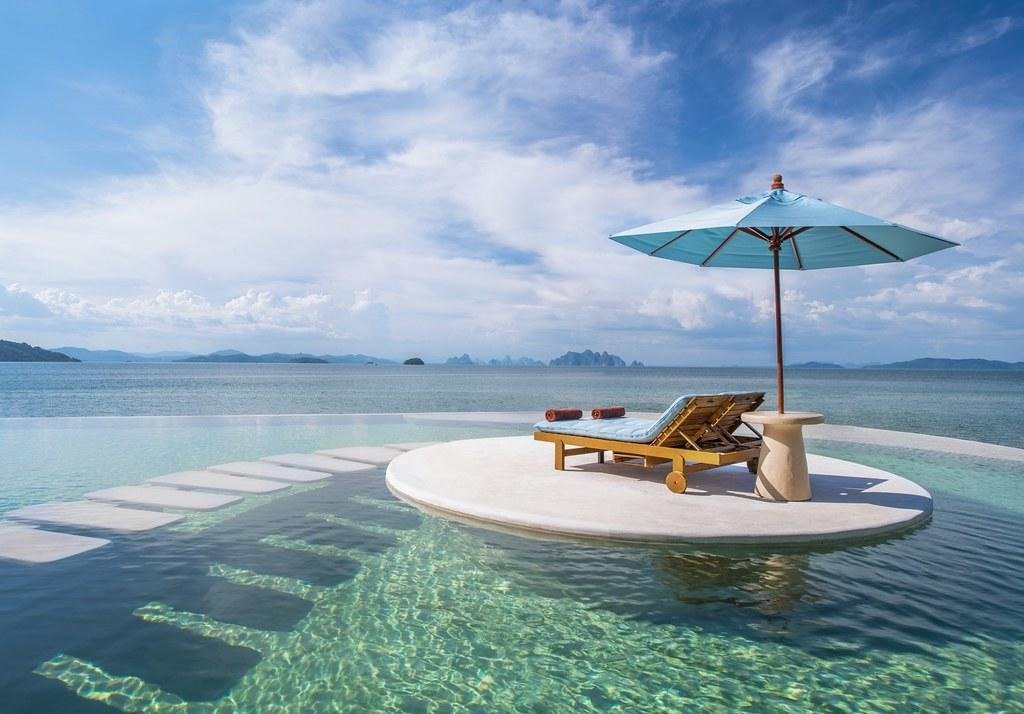
For much of modern tourism history, luxury travel was associated with five-star hotels, private beaches, and famous destinations. Travelers often sought comfort, convenience, and access to popular attractions.
Today, a different trend is emerging.
For a growing number of travelers, true luxury means something that has become increasingly rare in the modern world: isolation.
Remote destinations—from the Arctic Circle to the deserts of Namibia—are attracting visitors who want to escape crowded cities, busy airports, and the constant flow of notifications that dominate daily life. Rather than searching for the most famous location, these travelers are searching for silence, space, and experiences that cannot be replicated anywhere else.
The rise of remote tourism is changing how people think about travel.
Escaping the Age of Constant Connection
Modern technology has made it possible to stay connected almost everywhere.
While this offers countless benefits, it has also created a situation where many people feel permanently “on.” Emails arrive at all hours, social media updates never stop, and work often follows people long after they leave the office.
As a result, many travelers are intentionally choosing destinations where connectivity is limited.
Remote mountain lodges, wilderness cabins, and isolated islands provide something increasingly difficult to find: uninterrupted time. Visitors often report that the absence of constant digital stimulation helps them relax more deeply than traditional vacations.
Some travelers even describe these trips as a form of mental reset.
The Appeal of the Arctic
One of the fastest-growing segments of adventure tourism is Arctic travel.
Countries such as Norway, Finland, Greenland, and Iceland have seen growing interest from visitors eager to experience landscapes unlike anywhere else on Earth.
During winter, travelers come to witness the Northern Lights, one of nature’s most spectacular phenomena. During summer, they experience the midnight sun, where daylight can last nearly twenty-four hours.
Wildlife encounters add another dimension to the experience. Depending on the location, visitors may see reindeer, Arctic foxes, whales, or even polar bears.
The extreme environment creates a sense of adventure that many travelers find irresistible.
Namibia: The Beauty of Empty Spaces
In a world where many destinations struggle with overtourism, Namibia offers the opposite experience.
As one of the least densely populated countries on Earth, Namibia provides vast landscapes where travelers can drive for hours without encountering another vehicle.
Its famous red sand dunes in the Namib Desert rank among the tallest in the world. Meanwhile, Etosha National Park offers remarkable wildlife viewing opportunities, including elephants, lions, rhinos, and giraffes.
Many visitors describe Namibia’s greatest attraction not as a specific landmark but as the overwhelming feeling of openness.
The country’s immense scale and silence create a travel experience that feels increasingly rare in the twenty-first century.
Why Adventure Creates Stronger Memories
Psychologists have long studied why certain experiences remain vivid in memory while others fade quickly.
One common finding is that novelty plays a crucial role.
When people encounter unfamiliar environments, their brains become more engaged. New sounds, landscapes, cultures, and challenges create stronger mental impressions than familiar routines.
This helps explain why travelers often remember remote adventures more clearly than conventional vacations.
Navigating an isolated hiking trail, observing wildlife in its natural habitat, or spending a night under some of the world’s darkest skies creates memories that remain meaningful for years.
The unpredictability of remote travel often becomes part of its appeal.
The Rise of Dark Sky Tourism
Another fascinating trend involves destinations known for exceptional night skies.
Light pollution now affects much of the world’s population, making it difficult to see stars clearly in many urban areas. In response, travelers are increasingly seeking locations with minimal artificial light.
Places such as New Zealand’s Aoraki Mackenzie region, parts of Chile’s Atacama Desert, and remote areas of Utah have become popular among astronomy enthusiasts.
Under ideal conditions, visitors can see thousands of stars, distant galaxies, and even the Milky Way stretching across the sky.
For many travelers, the experience is profoundly humbling.
Looking at a sky untouched by urban light serves as a reminder of how vast the universe truly is.
Sustainable Travel and Remote Destinations
The growth of remote tourism has also encouraged discussions about sustainability.
Many isolated communities depend on tourism as an important source of income. However, increased visitation must be carefully managed to avoid damaging fragile ecosystems and local cultures.
Responsible travelers increasingly recognize their role in protecting the places they visit. Supporting local businesses, respecting environmental guidelines, and minimizing waste have become important aspects of modern travel.
Destinations that successfully balance tourism with conservation are often better positioned for long-term success.
The Influence of Digital Inspiration
Interestingly, many travelers discover remote destinations through the internet.
Documentaries, photography, travel blogs, and social media platforms have introduced audiences to places that previous generations may never have known existed. A single photograph of a remote fjord or desert landscape can inspire thousands of people to add a destination to their travel bucket list.
At the same time, online entertainment remains a significant part of daily life. Someone researching Arctic expeditions or African safaris may later spend their evening exploring various forms of digital entertainment, including platforms related to casino gaming. The digital world increasingly shapes travel inspiration, often influencing destinations people eventually choose to visit.
The Future of Luxury Travel
Luxury is no longer defined solely by expensive hotels or exclusive resorts.
For many travelers, luxury now means access to experiences that are difficult to find elsewhere: solitude, authenticity, natural beauty, and a sense of discovery.
Remote destinations offer all of these qualities.
As urban populations continue to grow and daily life becomes increasingly connected, the desire to disconnect—even temporarily—is likely to become even stronger. Travelers are discovering that some of the world’s greatest treasures are not found in crowded tourist hotspots but in the quiet corners of the planet where nature still dominates the landscape.
In the years ahead, remote travel may evolve from a niche trend into one of the defining movements of modern tourism. For those willing to venture beyond the familiar, the rewards can be extraordinary.
