


Private jet card memberships represent a structured and increasingly popular method of accessing private aviation services. Positioned between on-demand charter and full aircraft ownership, these programs provide clients with prepaid access to private jet travel under defined terms and conditions. Their appeal lies in the combination of flexibility, operational simplicity, and cost predictability, making them particularly suitable for frequent travelers and corporate users.
Concept and Membership Structure
A private jet card membership typically involves the advance purchase of flight hours – commonly in increments of 25, 50, or 100 hours – or the deposit of funds into an account that can be used for future travel. Once enrolled, members can request flights based on their needs, often with guaranteed availability within specified notice periods.
Membership structures vary among providers, but most programs are designed to standardize pricing and service delivery. Clients are generally assigned access to aircraft categories rather than specific aircraft, ensuring consistent performance and service levels.
Pricing Models and Financial Framework
Jet card memberships are typically structured around two primary pricing models:
- Fixed Hourly Rate Programs: Clients pay a predetermined hourly rate for a specific aircraft category. This model provides cost predictability and protects against market fluctuations.
- Deposit-Based Programs: Clients deposit funds and are charged based on actual flight costs, which may vary depending on demand and availability.
In addition to base rates, members should consider supplementary costs such as taxes, peak-day surcharges, international fees, de-icing, and catering. Understanding the full cost structure is essential for accurate financial planning.
Booking Process and Operational Simplicity
One of the defining advantages of jet card memberships is the streamlined booking process. Members can request flights through a centralized system, often via digital platforms or dedicated account managers. This eliminates the need to negotiate pricing or compare multiple providers for each trip.
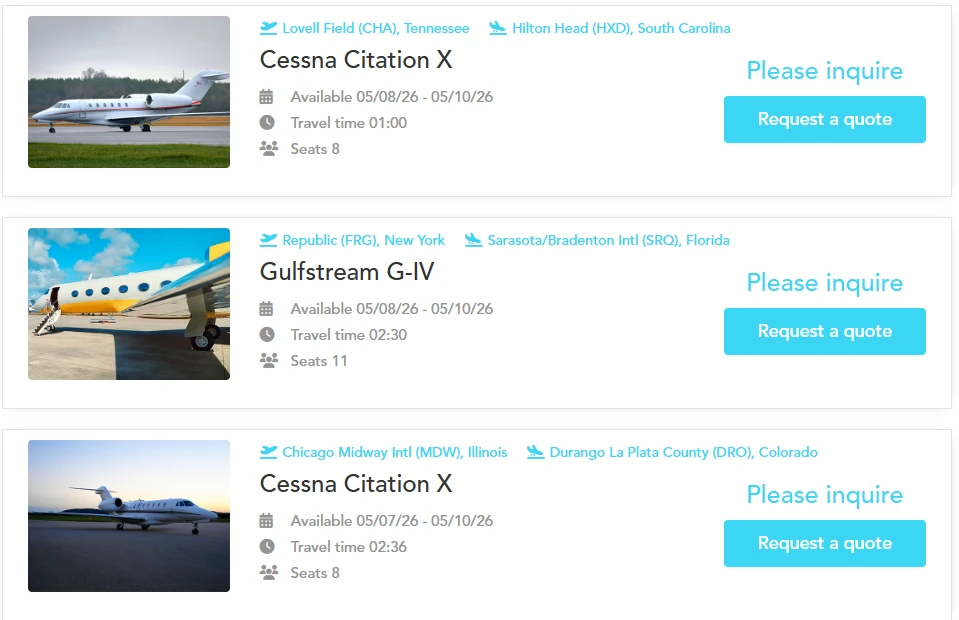
The program provider manages all operational aspects, including aircraft allocation, crew coordination, and flight logistics. This centralized approach reduces administrative complexity and enhances efficiency.
Availability and Service Guarantees
Jet card memberships frequently include guaranteed aircraft availability within defined notice periods, even during peak travel seasons. This feature is particularly valuable in high-demand regions such as Florida, where charter availability can become limited.
Service guarantees may also extend to aircraft quality, crew standards, and response times. These assurances contribute to a consistent and reliable travel experience.
Aircraft Access and Flexibility
Members typically have access to a range of aircraft categories, allowing them to select the most appropriate option for each journey. This flexibility enables efficient matching of aircraft capabilities with travel requirements, such as passenger capacity and flight distance.
Some programs permit upgrades or downgrades between categories, subject to availability and pricing adjustments. This adaptability enhances the overall value of the membership.

Benefits of Jet Card Membership
Private jet card memberships offer several key benefits:
- Predictable pricing for improved budgeting
- Guaranteed availability during peak demand periods
- Operational simplicity with centralized management
- Consistent service quality across flights
- Time efficiency through streamlined travel processes
These advantages make jet card memberships particularly attractive for frequent travelers and organizations requiring reliable access to private aviation.
Limitations and Program Constraints
Despite their advantages, jet card memberships are subject to certain limitations. These may include:
- Upfront financial commitment for prepaid hours or deposits
- Expiration policies for unused hours or funds
- Restrictions during peak travel periods
- Minimum flight time requirements
Additionally, fixed pricing structures may result in higher costs compared to on-demand charter during periods of low demand. Clients should carefully review program terms to understand these constraints.
Comparison with Other Access Models
Jet card memberships occupy an intermediate position within the private aviation spectrum:
- Compared to on-demand charter, they offer greater predictability and convenience but require upfront commitment.
- Compared to fractional ownership, they involve lower capital investment and eliminate asset management responsibilities.
- Compared to full ownership, they provide flexibility without long-term financial obligations.
This positioning makes jet cards a practical solution for clients seeking balance between flexibility and structure.
Technological Integration and User Experience
Modern jet card programs increasingly rely on digital platforms to enhance user experience. Members can book flights, monitor usage, and manage accounts through online interfaces or mobile applications.
Providers utilize data analytics to optimize fleet allocation and maintain service consistency. These technological capabilities improve transparency and contribute to a more efficient and user-friendly experience.
Strategic Considerations for Selecting a Membership
Choosing the appropriate jet card membership requires a thorough evaluation of individual travel needs and program features. Key considerations include:
- Frequency and pattern of travel
- Preferred aircraft categories
- Geographic coverage
- Pricing structure and additional fees
- Program terms and flexibility
A careful comparison of available options ensures alignment between membership features and client requirements.
Private jet card memberships offer a structured and efficient approach to private aviation, combining the flexibility of charter with the predictability of a membership model. By understanding their operational framework, pricing structures, and strategic implications, clients can make informed decisions and optimize their access to private jet travel.
