

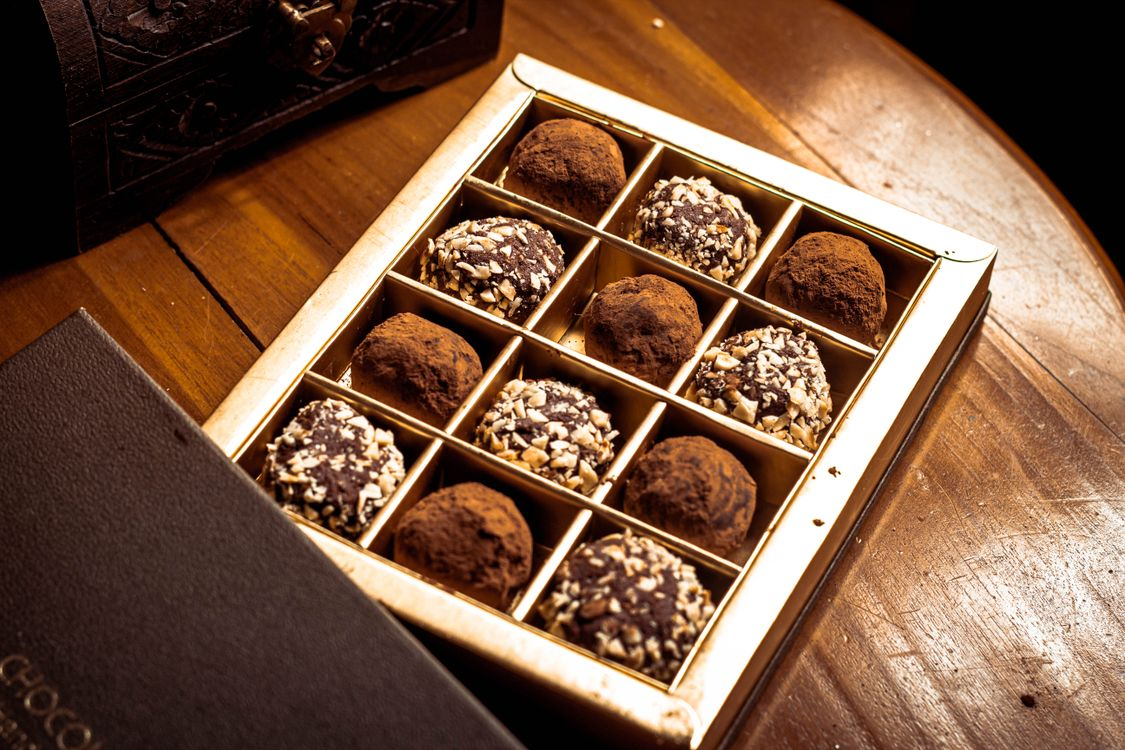
When you open a package of chocolates or cookies, not many people think about how many tests a product has gone through. The journey from cocoa beans or flour to the final bar on the store shelf requires an entire control system involving technologists, laboratories, and independent certification bodies.
Incidentally, when it comes to brands that combine tradition and strict quality standards, Roshen USA immediately comes to mind — a company whose products have long earned the trust of customers on both sides of the Atlantic.
Why Quality Standards Are Necessary in Confectionery
The confectionery industry is one of the most demanding in terms of cleanliness. The slightest error in the recipe or temperature can ruin an entire batch of products. Manufacturers therefore use multi-level control systems: from inspection of incoming raw materials to inspection of the final product.
Quality standards also protect consumers who have food sensitivities or allergies. They must accurately reflect ingredients, and production lines must prevent cross-contamination of allergens. This is particularly the case in markets where the demand for ingredient transparency continues to grow year on year.
What Certificates Confirm Product Safety
Confectionery products cannot rely only on internal factory standards to enter the international market. Compliance with accepted standards must be independently validated. Here are the main certifications worth paying attention to:
- ISO 9001 quality management system;
- HACCP hazard analysis and critical control point;
- IFS food safety standard;
- BRC international standard for the food industry;
- Halal and kosher certificates, if available;
- confirmation of origin and composition of raw materials;
- export permits to specific countries.
Obtaining each of these documents requires regular audits, not a one-time inspection. The manufacturer is obliged to reconfirm compliance — sometimes once a year, sometimes more frequently. This keeps the company on its toes: slacking off and lowering the quality bar is simply impossible.
How Production Line Inspection Works
A modern factory involves more than just ovens and conveyors; it involves an entire chain of control points. At each stage, technologists check parameters like dough moisture, the melting point of chocolate, and the density of filling. Deviations are recorded and analyzed to identify root causes and prevent recurrence.
The packaging department deserves special attention because it is the place where the product receives its final form before being sent to the warehouse. If this step is skipped, even a product with the perfect flavor may not reach the customer in the right condition.
To get a sense of how detailed this inspection is, let’s take a look at the key stages of finished product inspection:
- visual inspection for packaging defects;
- serving weight and volume verification;
- expiration date verification on the label;
- laboratory analysis of batch samples;
- sealed packaging integrity verification;
- testing for foreign matter.
The multi-stage inspection virtually eliminates the risk of defects. On the surface, this might seem routine, but it’s precisely this reason why customers can be sure that what they see on the packaging is what they get inside.
Why This Is Important for Wholesale Buyers
For retail chains and specialty outlets, certification is not an abstract requirement but a risk-mitigation tool. Retailers protect themselves from claims, recalls, and reputational damage by buying products from manufacturers that have transparent quality control systems. Therefore, when choosing a supplier, it’s worth requesting documents confirming the product’s origin and current certificates.
GMI-Trading works with precisely these manufacturers — those who can document their quality, not just verbally. Through direct partnerships with European factories and its own private-label lines, the company helps American retailers develop the right assortment.
Conclusion
Confectionery production today is a complex engineering and logistics system in which the taste and beauty of a product are based on standards, laboratory testing, and regular audits. The stricter this system, the greater the customer’s trust and the more confident the retailer feels when stocking the product.
For those seeking reliable suppliers of European confectionery products with proven quality, GMI-Trading offers access to a proven product range and flexible delivery terms tailored to the real needs of local communities.
