

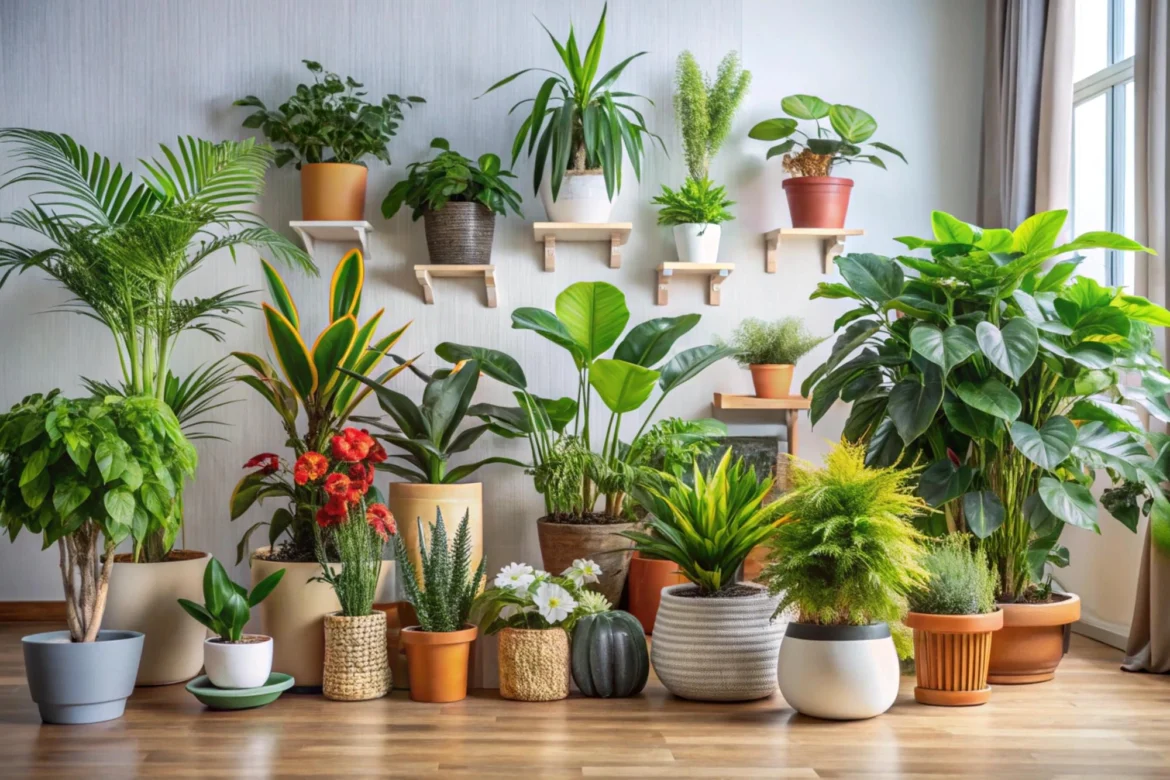
Taking care of indoor plants becomes much easier when you start with five simple steps: identify it correctly, check how much light it needs, water it according to its real moisture needs, use suitable soil, and keep it in a stable temperature range.
Most houseplant problems begin when owners guess instead of understanding what it actually is. Use special apps like BotanApp.com to get all the information about species you’re interested in: once you know the name and basic care profile, the rest becomes a manageable routine rather than a confusing set of rules.
Why Plant Identification Comes First
Before you adjust watering, move a pot closer to a window, or change the soil, it helps to know exactly what plant you are caring for. A peace lily, snake plant, pothos, calathea, and fiddle leaf fig may all live indoors, but they do not want the same conditions.
Some tolerate low light, while others quickly weaken without bright indirect sun. Some prefer soil to dry almost completely, while others suffer if they stay dry for too long.
This is where an identifier can be useful at the beginning of the care process. For example, an app like Botan can help you identify a houseplant by photo and then check basic care tips, such as watering rhythm, light preferences, and common issues. It is not a replacement for observation, but it gives beginners a clearer starting point instead of guessing from appearance alone.
Basic Indoor Care Rules for Beginners
Plants do not need constant attention every hour, but they do need stable conditions and small adjustments when something changes. A plant that looked healthy in spring may need less water in winter. That one placed near a sunny window in one apartment may behave differently in a darker room.
Here are the main things every beginner should check first:
- Name: Identify the species or at least the plant type before choosing a care routine.
- Light level: understand whether it needs low, medium, bright indirect, or direct light.
- Watering needs: check soil moisture instead of watering only by calendar.
- Soil type: Make sure the potting mix drains well and matches the plant’s roots.
- Pot drainage: Use a pot with drainage holes whenever possible.
- Temperature: avoid cold drafts, heaters, and sudden changes.
- Humidity: Consider extra humidity for tropical species if indoor air is very dry.
These basics cover most daily care situations. Once they are under control, you can focus on more specific details such as pruning, fertilizing, repotting, and treating pests.
Indoor Plant Care Comparison Table
Different indoor plants are easier to understand when grouped by care type rather than by individual species. The table below shows how common groups usually differ in light, watering, and care difficulty.
| Plant type | Examples | Light needs | Watering style | Beginner difficulty | Common mistake |
| Succulents and cacti | Aloe vera, echeveria, jade plant, cactus | Bright light, often some direct sun | Let soil dry completely between waterings | Easy | Keeping them in low light and watering too often |
| Tropical foliage plants | Pothos, monstera, philodendron, dieffenbachia | Medium to bright indirect light | Water when the top layer of soil dries | Easy | Placing them in dark corners or overwatering |
| Low-light-tolerant plants | Snake plant, ZZ plant, cast iron plant | Low to bright indirect light | Let soil dry well before watering again | Easy | Assuming “low-light tolerant” means no light at all |
| Flowering indoor plants | Peace lily, anthurium, African violet | Bright indirect light | Keep soil lightly moist, not soggy | Medium | Too little light, which reduces blooming |
| Humidity-loving plants | Calathea, fern, maranta | Medium indirect light | Keep soil evenly moist but not wet | Medium to hard | Dry air, hard water, and irregular watering |
Soil and Drainage Matter More Than People Think
Good soil is not just “dirt.” It controls how much air and moisture reach the roots. Indoor plants usually need a potting mix that holds some moisture but still drains well. If the soil stays wet for many days, roots may not get enough oxygen. That can lead to root rot even if the plant is watered with good intentions.
For many common houseplants, a standard indoor potting mix works well when combined with drainage materials such as perlite, bark, or coco coir. Succulents and cacti need a faster-draining mix.
Orchids usually require bark-based media rather than dense soil. If a plant keeps looking weak despite correct light and watering, the soil may be too compacted, or the pot may not drain properly.
Simple Weekly Indoor Care Routine
Instead of randomly watering whenever you remember, choose one or two days a week to inspect your plants. You do not need to water everything that day; you only need to check what each needs.
A simple weekly routine can look like this:
- Check soil moisture before watering.
- Look at leaves for yellowing, browning, curling, or pests.
- Rotate pots slightly so growth stays balanced.
- Remove dry or damaged leaves.
- Check whether roots are coming out of the drainage holes.
- Wipe dusty leaves with a soft, damp cloth.
- Notice if the plant needs more or less light.
This routine helps you catch small problems early. It also teaches you how each plant behaves over time, which is often more useful than following a fixed schedule.
The Easiest Way to Keep Indoor Plants Healthy
Stop treating them all the same. Start by identifying, then match its care to its natural needs. Check the light first, water only when the soil shows it is needed, use a suitable potting mix, and protect the plant from temperature extremes.
Tools like Botan can be helpful at the first stage because they make identification and basic care guidance faster, especially when you receive a plant without a label.
Still, the best results come from combining that information with regular observation. Once you learn how your plant responds to your home, indoor care becomes much simpler, calmer, and more enjoyable.
