

Why Rosca de Reyes Brings Families Together Every January
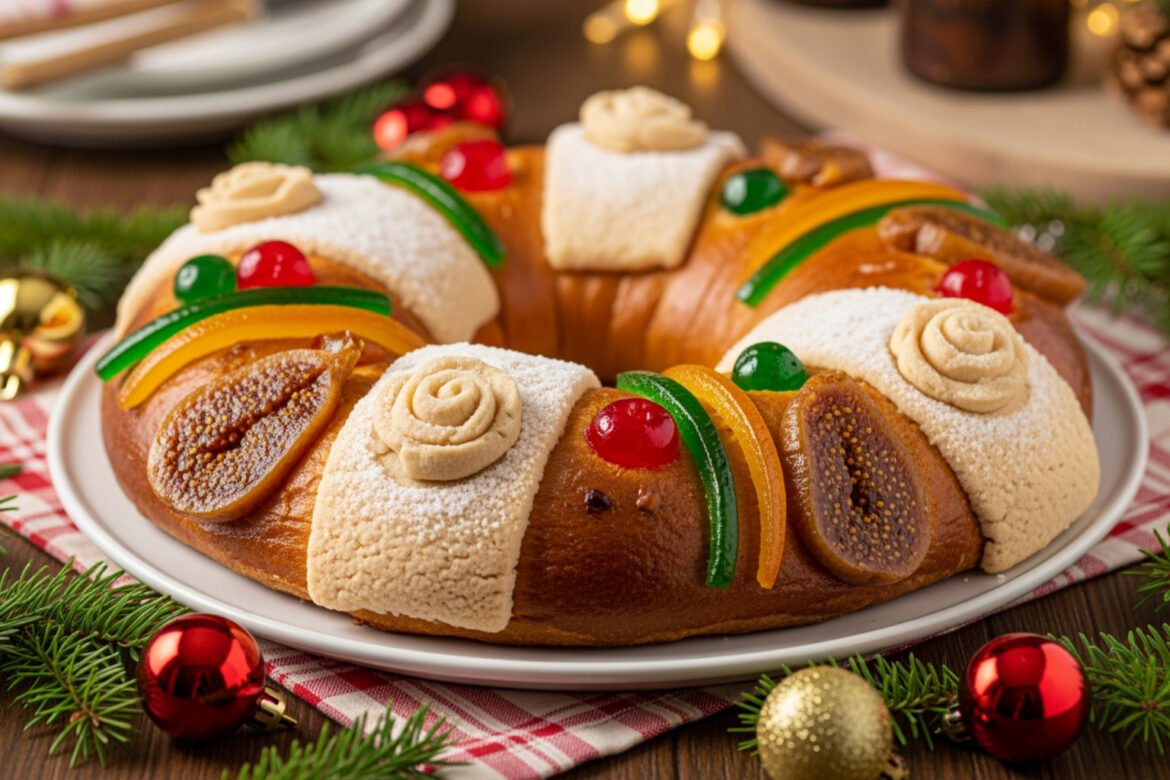
Rosca de reyes is a traditional sweet bread eaten on January 6th to celebrate Día de los Reyes (Three Kings Day or Epiphany). This ring-shaped brioche is decorated with candied fruits representing jewels and contains a hidden figurine. Whoever finds the figurine traditionally hosts a tamale party on February 2nd (Día de la Candelaria).
Key Facts About Rosca de Reyes:
- When it’s eaten: January 6th (Epiphany/Three Kings Day)
- What it looks like: Oval or ring-shaped sweet bread topped with colorful candied fruits
- What it tastes like: Soft, brioche-like texture with orange blossom or citrus flavor
- The tradition: A small figurine (baby Jesus) is hidden inside; whoever finds it hosts the next celebration
- How to serve it: With Mexican hot chocolate, champurrado, or café de olla
For many Mexican and Mexican-American families, Three Kings Day begins by sharing a rosca de reyes. The tradition dates back centuries, with roots in Roman festivals that were later adopted by Spanish Christians and brought to Latin America.
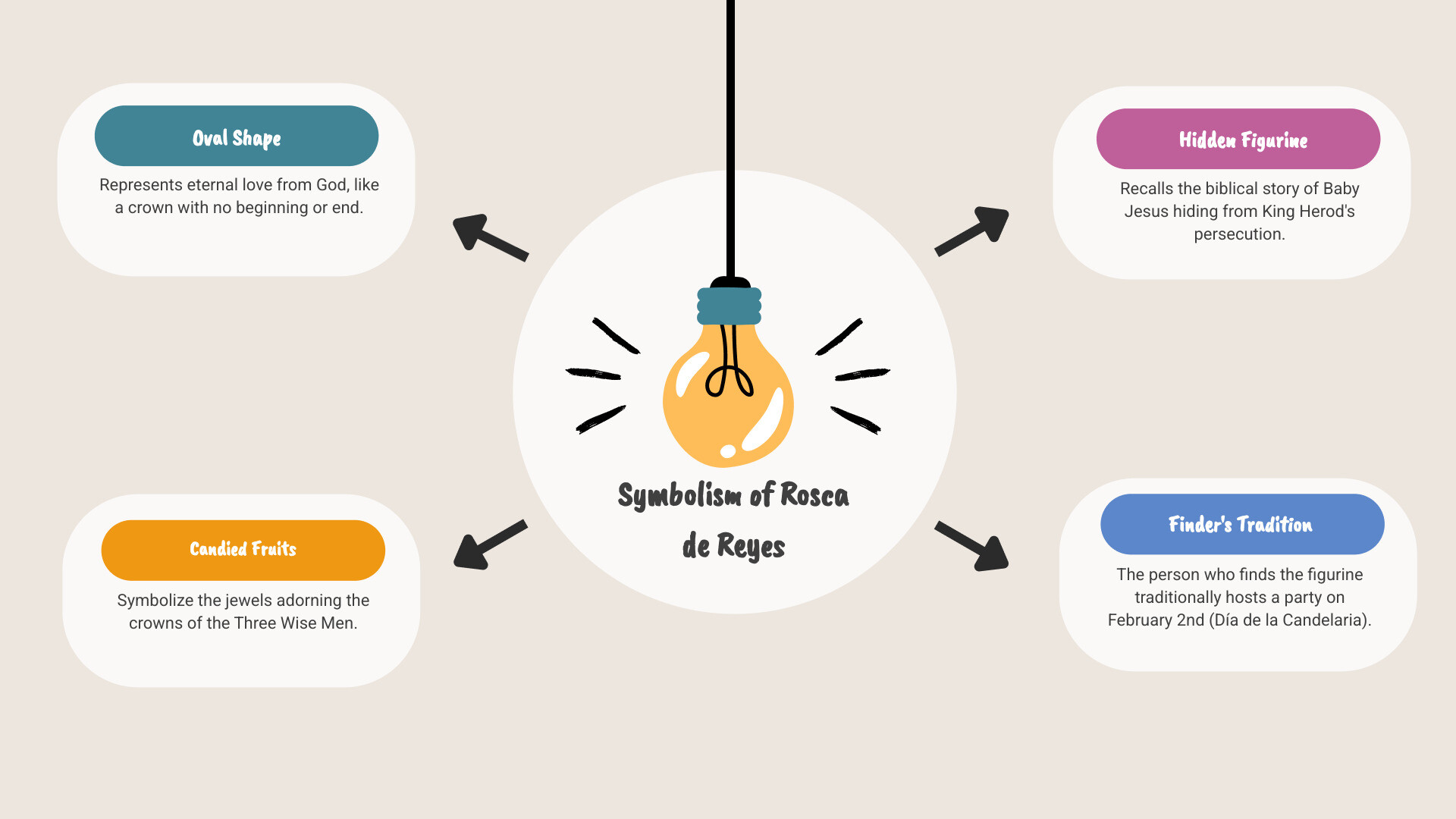
The circular shape represents God’s eternal love, the candied fruits symbolize the jewels on the Three Wise Men’s crowns, and the hidden figurine recalls the biblical story of Jesus hiding from King Herod.
Whether you’re continuing a family tradition or trying it for the first time, making your own rosca connects you to a rich cultural heritage. This guide offers three reliable methods—from traditional hand-kneading to a simple overnight approach—so you can choose the technique that fits your schedule.
The Rich History and Symbolism of Rosca de Reyes
The Rosca de Reyes is a centerpiece of the Día de los Reyes (Three Kings Day) celebration, deeply woven into the cultural fabric of Mexican and Hispanic communities in Brooklyn, Manhattan, and beyond. Its significance lies in its rich history and symbolism.
The tradition’s origins trace to the Roman Saturnalia festival, where a round cake with a hidden bean was shared to name a “king for a day.” This custom evolved through the Middle Ages and was integrated with Christian traditions in Spain, becoming the Roscón de Reyes. From Spain, the tradition journeyed to Mexico, where it became the Rosca de Reyes and took on deeper symbolism associated with Epiphany. Celebrated on January 6th, Epiphany commemorates the Three Wise Men’s visit to the baby Jesus, a story you can learn more about through a look at the holiday’s origins.
Every element of the rosca carries meaning:
- The Oval Shape: Represents a king’s crown and the infinite, eternal love of God.
- The Candied Fruits: These colorful “jewels” (figs, cherries, quince) symbolize the precious gems on the crowns of the Three Wise Men.
- The Hidden Baby Jesus Figure: The small figurine baked inside the bread is a reminder of the biblical story where Jesus was hidden from King Herod’s persecution. Finding it connects you to this ancient narrative.
What finding the ‘baby’ in your slice means
Cutting the Rosca de Reyes is filled with anticipation. The person who finds the small baby Jesus figurine in their slice is considered lucky but also gains a fun responsibility: they must host a party on Día de la Candelaria (Candlemas) on February 2nd.
This isn’t just any party; it’s a tamale party! The finder is traditionally responsible for making or providing tamales for everyone who shared the rosca. This obligation joyfully extends the holiday season and reinforces community bonds. It’s a playful twist that adds excitement to the celebration, leading to cheers and good-natured teasing for the “lucky” finder. In Mexican and Mexican-American communities, this tamale party is the central tradition associated with finding the baby.
Essential Ingredients and Toppings for Your Rosca
A delicious Rosca de Reyes starts with a rich, brioche-like dough and festive toppings.
For the Dough:
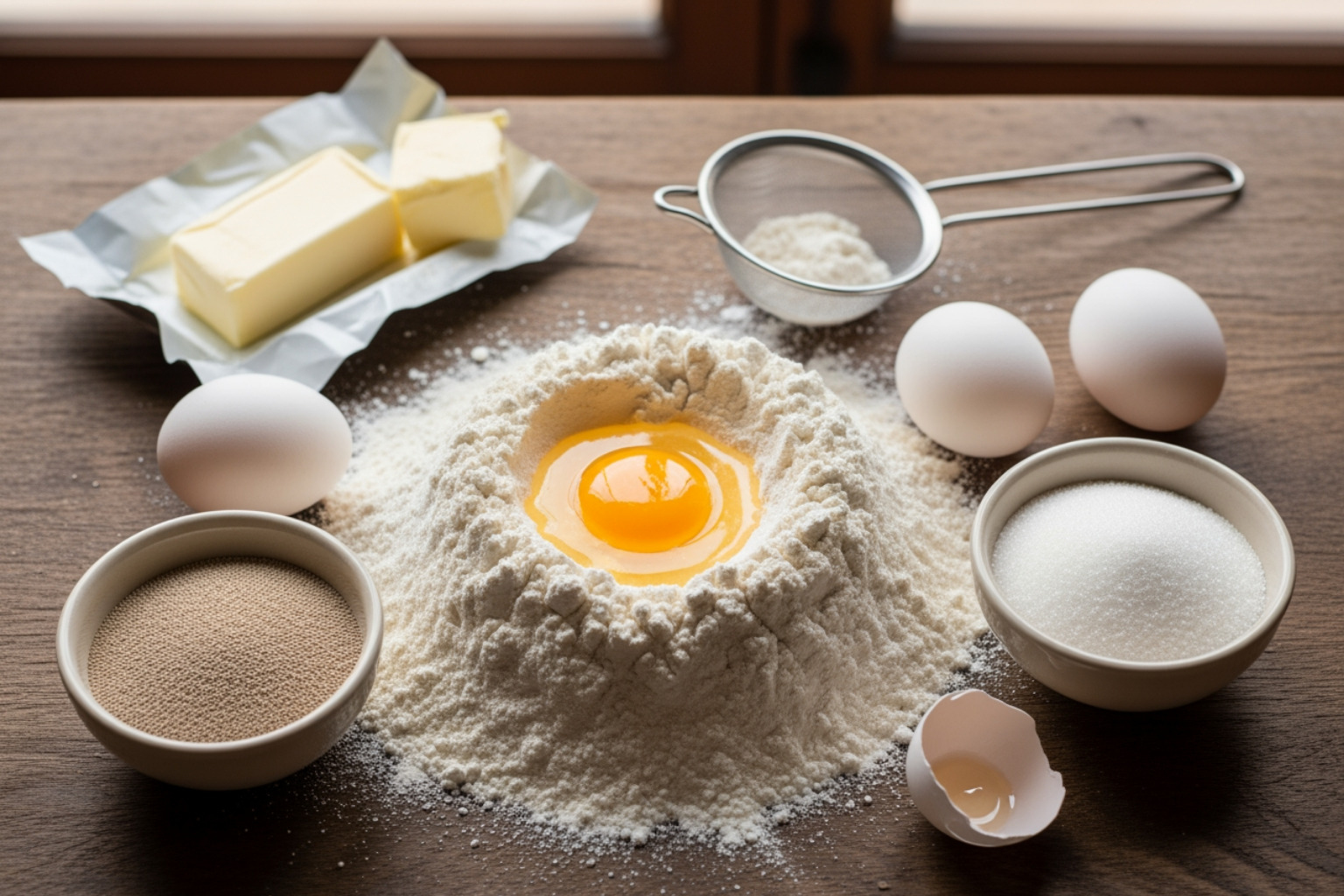
The dough is enriched with eggs and butter for a soft, tender texture. Key ingredients include:
- Flour: All-purpose flour for a soft crumb or bread flour for a chewier texture.
- Yeast: To make the bread light and airy.
- Sugar, Eggs, Milk, and Unsalted Butter: For richness, sweetness, and structure.
- Flavorings: Orange zest is essential for a bright, citrusy aroma. Orange blossom water and vanilla extract are also common additions.
For the Toppings:
The decorations transform the dough into a festive crown.
- Candied Fruits: These “jewels” traditionally include red and green candied fruit strips, figs, and cherries.
- Acitrón Substitute: Historically, candied biznaga cactus (acitrón) was used, but the plant is now endangered and its use is illegal in Mexico. Use sustainable alternatives like quince paste, guava paste, or dried mango strips.
- Sugar Paste (Costra): A crumbly paste of flour, butter, and confectioners’ sugar adds textural contrast and sweetness.
- Nuts: Toasted pecans or sliced almonds add a pleasant crunch.
- Egg Wash: A brush of beaten egg before baking gives the rosca a beautiful golden sheen.
Choosing the right flour and yeast
For a classic, soft rosca, all-purpose flour is perfect. If you prefer a chewier bread with a higher rise, use bread flour.
Yeast is what gives the rosca its lift.
- Active Dry Yeast: Must be “proofed” in warm liquid (105-115°F or 40-46°C) with a pinch of sugar until foamy before use.
- Instant Yeast: More convenient, as it can be mixed directly with dry ingredients. We recommend a reliable brand like SAF Red Instant Yeast.
No matter which yeast you use, ensure your liquids are warm but not hot, as temperatures above 115°F (46°C) can kill the yeast and prevent your dough from rising.
3 Foolproof Methods for Making Rosca de Reyes
Making Rosca de Reyes at home is a rewarding experience. We’ve outlined three distinct methods, allowing you to choose the one that best fits your schedule and comfort level.
Here’s a quick comparison of the methods:
| Method | Total Time | Active Time | Difficulty | Best For |
|---|---|---|---|---|
| 1. Traditional Knead-by-Hand | 3-4 hours (or more) | 45-60 minutes | Medium | Bakers who enjoy the hands-on process. |
| 2. Efficient Stand-Mixer | 2.5-3.5 hours | 20-30 minutes | Easy-Medium | Busy bakers seeking consistent results. |
| 3. Simple No-Knead, Overnight | 12-24 hours | 15-20 minutes | Easy | Bakers who prefer minimal active work. |
Note: Prep and cook times can vary. Rising times are approximate.
Method 1: The Traditional Knead-by-Hand Rosca de Reyes
This classic method is for bakers who enjoy the tactile experience of developing dough by hand.
- Mix: Combine dry ingredients in a large bowl. Whisk wet ingredients in a separate bowl. Add the wet to the dry and mix until a shaggy dough forms.
- Knead: Turn the dough onto a lightly floured surface. Knead for 15-20 minutes by pushing, folding, and turning the dough until it is smooth and elastic.
- Check Gluten: Perform the windowpane test. If you can stretch a small piece of dough thin enough to see light through it without tearing, it’s ready.
- First Rise: Place the dough in an oiled bowl, cover, and let it rise in a warm place for 1-2 hours, or until doubled in size.
- Shape: Punch down the dough. On a floured surface, shape it into a long rope and form an oval ring, sealing the ends. Tuck in the heat-safe baby Jesus figurine (or insert it after baking).
- Second Rise: Transfer the ring to a parchment-lined baking sheet, cover loosely, and let it rise for 30-60 minutes until puffy.
- Decorate and Bake: Brush with egg wash, add candied fruits and sugar paste, and bake according to your recipe.
Method 2: The Efficient Stand-Mixer Rosca de Reyes
This method uses a stand mixer to reduce active time while achieving a beautifully developed dough.

- Mix: Combine dry ingredients in the mixer bowl. Whisk wet ingredients separately. With the dough hook on low speed, add the wet mixture until a shaggy dough forms.
- Knead: Increase speed to medium-low and knead for 8-10 minutes, until the dough is smooth, elastic, and pulls away from the sides of the bowl.
- Check Consistency: The dough should pass the windowpane test. Add a tablespoon of flour at a time if it’s too sticky.
- Rise, Shape, and Bake: Follow steps 4-7 from the Traditional Method above.
Method 3: The Simple No-Knead, Overnight Method
This method is perfect for busy bakers, using cold fermentation to develop deep flavor with minimal effort.
- Mix: In a large bowl, combine all ingredients with a spatula until a shaggy, sticky dough forms. No kneading is required.
- First Rise (Cold Fermentation): Cover the bowl tightly and refrigerate for 12-24 hours. The slow, cold rise develops complex flavors.
- Warm Up: The next day, remove the dough from the fridge and let it sit at room temperature for 1-2 hours.
- Shape: On a well-floured surface, gently shape the sticky dough into a rope and form an oval ring. Insert the baby Jesus figurine.
- Second Rise: Transfer to a parchment-lined baking sheet, cover, and let rise in a warm spot for 1-2 hours, until puffy.
- Decorate and Bake: Brush with egg wash, decorate, and bake as per your recipe. The result is a rosca with an incredibly rich flavor.
Serving, Variations, and Modern Twists
Once your Rosca de Reyes is baked, the celebration begins. This sweet bread is traditionally enjoyed with warm, festive beverages.
Classic pairings include:
- Mexican Hot Chocolate: Rich, dark, and spiced with cinnamon.
- Champurrado: A thick, comforting, masa-based hot chocolate.
- Café de Olla: Traditional Mexican coffee brewed with cinnamon and piloncillo (unrefined cane sugar).
To store leftovers, keep the cooled rosca in an airtight container at room temperature for up to 2 days. For longer storage, wrap it tightly and freeze for up to 1 month.
Regional and Modern Variations
While the core concept is consistent, fascinating variations exist. In Spain, the Roscón de Reyes is often filled with whipped cream or custard and includes a hidden fava bean in addition to a figurine.
Here in our diverse communities, modern interpretations are popular. Bakeries and home cooks experiment with:
- Fillings: Cream cheese, cajeta (caramelized goat’s milk), or chocolate ganache.
- Toppings: Chocolate chips, sprinkles, or different nuts instead of just candied fruit.
- Individual Servings: Smaller, single-serving roscas are perfect for gifting.
These variations show how the beloved Rosca de Reyes tradition adapts while honoring its historical roots.
Frequently Asked Questions about Rosca de Reyes
Here are answers to some common questions about Rosca de Reyes.
What is the difference between Rosca de Reyes and King Cake?
Both are festive breads with a hidden figurine, but they have distinct traditions.
- Rosca de Reyes: A Spanish and Latin American tradition for Epiphany (Jan. 6th). It’s a brioche-style bread decorated with candied fruits (“jewels”). Finding the hidden baby Jesus means you host a tamale party on February 2nd.
- King Cake: Associated with Mardi Gras in New Orleans. It’s a braided dough covered in purple, green, and gold icing and sugars. Finding the baby means you buy the next King Cake.
When is Rosca de Reyes traditionally eaten?
Rosca de Reyes is traditionally eaten on January 6th to celebrate Día de los Reyes (Three Kings Day). This date marks the culmination of the Christmas season. Many families also enjoy it on the evening of January 5th, and bakeries often sell them throughout the holiday season.
Can I make Rosca de Reyes ahead of time?
Yes. The dough can be prepared and refrigerated overnight for its first rise, which also improves flavor. A fully baked and cooled rosca can be stored in an airtight container for up to 2 days or frozen for up to a month. Thaw at room temperature or warm gently in the oven before serving.
Conclusion
The Rosca de Reyes is more than a sweet bread; it’s a cherished tradition that connects us to centuries of history and family. Making a rosca is a joyful way for us in Brooklyn, Manhattan, and beyond to keep vibrant customs alive.
Each slice shared reinforces the bonds of community, sparks laughter, and creates new memories. Baking a Rosca de Reyes is a way to partake in a cultural celebration that reminds us of the power of food to bring people together.
We hope this guide inspires you to bake your own rosca and experience the magic of Three Kings Day. At Edible Brooklyn, we celebrate the unique culinary experiences and rich food traditions that make our city special.
Explore more local food stories and restaurants and find the vibrant flavors that surround us.
