

Selecting the right tuna involves looking beyond the label to understand the journey of the fish from the ocean to the tin. As global awareness grows, distinguishing between mass-produced products and premium, ethically sourced options has become a skill for the conscious consumer. This article explores the indicators that signify a product is a culinary delight and a responsible choice for the environment.
Recognising the Importance of Pole and Line Fishing
Unlike large-scale industrial nets that often trap unintended marine life, the pole and line method targets individual fish one at a time. This technique eliminates bycatch and ensures that the surrounding ecosystem remains undisturbed by heavy machinery. When you see a label specifying this method, it indicates a commitment to a way of harvesting that prioritises the long-term health of the sea.
Understanding the Role of Traceability in Quality
Transparency is a hallmark of ethical sourcing, as it ensures that the product has not been mixed with fish from unregulated fishing. Many top-tier brands now provide tracking codes on their packaging that allow you to go online and see the region of the ocean your tuna originated from. This prevents overfishing in vulnerable areas and ensures that the workers involved in the process are treated fairly.
Assessing the Grade and Texture of the Fish
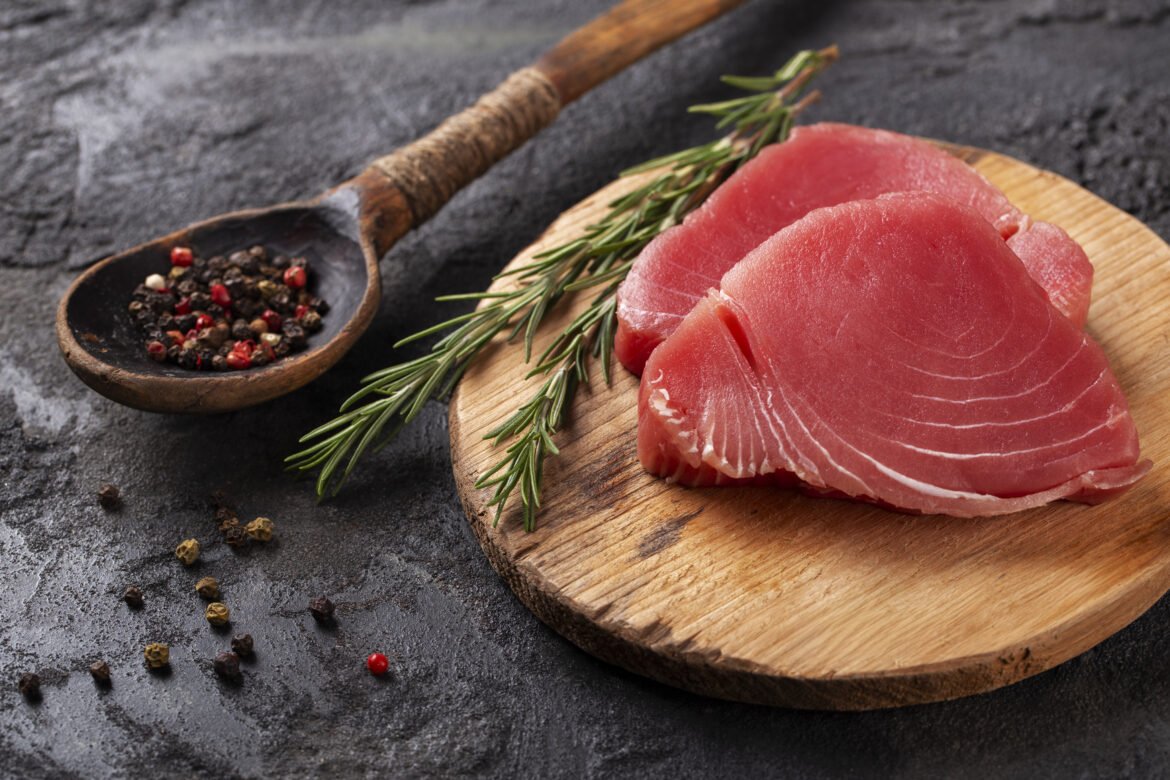
High-quality Italian inspired tuna consists of large, solid fillets or chunks that maintain their structure rather than being a flaky paste. Notice a clean colour, which suggests that the fish was processed quickly and handled with care to preserve its juices. Premium producers hand-pack their products to ensure the delicate meat is not damaged by robotic machinery, resulting in a superior mouthfeel.
Evaluating the Choice of Packing Oil and Seasoning
Italian-inspired tuna is often packed in pure olive oil or extra virgin olive oil, which adds a rich, silky texture and a sophisticated depth of flavour to the fish. Lower-grade products often use water or refined seed oils that can leave the tuna feeling dry or lacking in character. Furthermore, the seasoning should be minimal, consisting of a touch of sea salt to allow the actual taste of the tuna to shine through.
Looking for Independent Sustainability Certifications
Organisations that audit fisheries look at everything from the health of the local fish stocks to the impact of the fishing gear on the seabed. A combination of recognised certifications suggests that the producer is willing to undergo regular inspections to maintain high standards. These stamps of approval mean that the company is actively participating in global efforts to prevent the collapse of tuna populations.
Avoiding Products with Vague “Dolphin Safe” Labels Only
Many mass-market brands use this label while using destructive fishing methods, like fish aggregating devices that harm other species. Look for brands that go beyond the basics, offering a view of their environmental impact and their stance on total ocean health. Premium ethical producers will discuss their efforts to reduce plastic waste and their involvement in fair trade initiatives for their workers.
Considering the Longevity and Heritage of the Brand
Many of the world’s finest tuna producers often stem from regions with a deep cultural connection to the sea. These brands have long-standing relationships with local fishing communities and understand the seasonal rhythms of the ocean better. A company with a rich heritage is often more invested in maintaining the quality of its reputation, which leads to stringent control and better sourcing decisions.
A Commitment to Excellence and Ocean Integrity
Selecting ethically sourced and premium grade tuna is a rewarding way to elevate your meals. Choosing brands that are transparent about their supply chain and dedicated to sustainable practices becomes part of an activity towards a responsible food system. The effort you put into identifying these premium options pays off in the form of taste and the knowledge that you are doing your part for the planet.

