

Hook: 48 million Americans experience a foodborne illness every year, leading to 128,000 hospital visits and 3,000 fatalities.
Problem: Many victims believe that serious food poisoning is merely “bad luck,” resulting in thousands of dollars in medical costs and lost income going unrecognized.
Why it matters: Overlooking a claim can lead to overwhelming debt and lasting health problems (such as kidney failure or chronic arthritis), while careless companies evade responsibility.
Solution: This guide outlines the assessment procedure in three distinct stages to determine whether your case is legally valid.
Proof: This framework distills established product liability standards and personal injury tort precedents used to secure high-profile settlements.
Who this guide is for: Individuals who have suffered severe food poisoning and want to evaluate their legal options.
What you’ll need: Medical records and proof of purchase. A symptom timeline and preserved evidence are also critical.
WHY YOU CAN TRUST THIS GUIDE
Problem: Navigating the legal system during recovery is confusing. This is especially true with corporate insurance teams trying to downplay your injuries.
Solution: This guide translates complex tort law into actionable steps focused strictly on evidence preservation and medical verification.
Proof: Food safety litigation frequently results in multi-million-dollar recoveries of up to $800 million. Success relies on the exact criteria outlined below: clear documentation, lab confirmation, and outbreak links.
Step 1: Document Your Illness and Seek Medical Confirmation
What you’re doing: Creating a time-stamped history of your illness. You’re also getting a scientific identification of the pathogen.
Why it matters: Causation is a key element in a foodborne illness case. You will have to show that a particular commercial meal resulted in your illness.
How to do it:
- Record your timeline immediately: Log food details (what/where/when). Then note the exact symptom start time ASAP. Incubation varies. Staph (1-6h), Salmonella (6-72h), Listeria (up to 70d).
- Get immediate medical care. Specifically request a stool culture. And ask for a pathogen-specific PCR test to identify the bacteria.
- Preserve physical evidence. Record photos of the leftovers and packaging with lot numbers or expiration dates. Place any leftover food in a sealed container for potential testing.
Pro tips:
- Make a voice note when sick to document details of symptoms before they get better.
- Ask to get all medical records, lab results, and bills for the charges before leaving the clinic; ask for copies in hand or electronically.
Common pitfalls:
• ❌ Postponing documentation or a doctor’s visit until after your recovery.
• ✅ Recording symptoms as they occur and advocating for lab tests even when you are treating the condition at home.
Success looks like: You have a recorded timeline and a lab report identifying the specific pathogen. The evidence is also preserved.
Step 2: Identify the Responsible Party and Calculate Your Damages
What you’re doing: Identifying the liable business. You’re also calculating the total financial and physical impact of your illness.
Why it matters: You must identify a specific defendant (restaurant or manufacturer). Only sue if your losses exceed the legal costs.
How to do it:
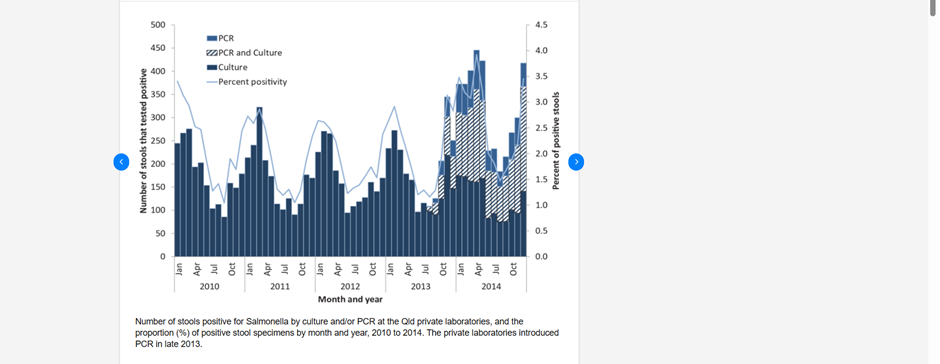
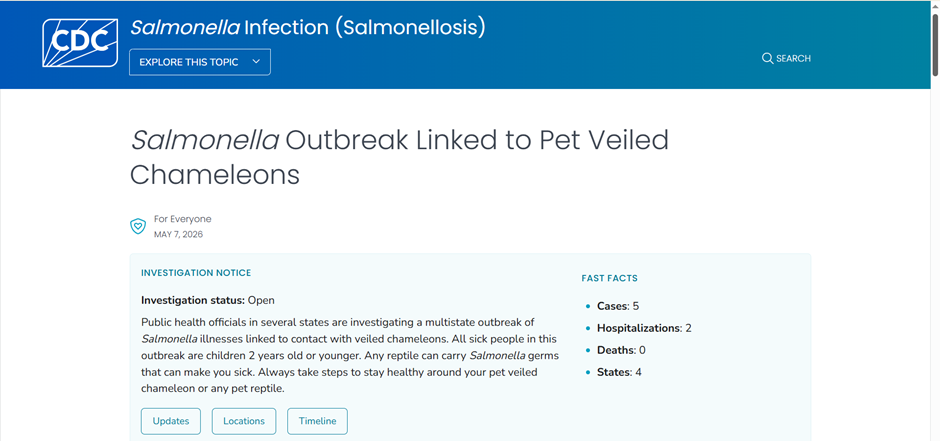
1. Trace the source and liability standard. Check CDC and FDA databases for active recalls or outbreaks. Note that restaurants face negligence standards. Manufacturers face strict liability if a contaminated product leaves their facility.
2. Total your economic damages. Aggregate all medical costs. This includes ER and urgent care fees alongside lab costs and prescriptions. Then calculate lost wages (missed hours × pay rate).
3. Quantify your non-economic damages. Estimate pain/suffering at 1.5x to 5x your economic damages. Support this with a daily pain journal (rated 1 to 10).
Pro tips:
- Use credit or debit card statements as proof of purchase if you lost the paper receipt.
- For severe complications like kidney damage, consult a lawyer before finalizing calculations, as future medical needs will be extensive.
Common pitfalls:
❌ Assuming your last meal is the culprit, ignoring actual pathogen incubation timelines.
❌ Undervaluing your claim because you weren’t hospitalized (missed work and severe suffering can easily equal $5,000-$15,000).
✅ Creating a 72-hour food diary and itemizing every related expense.
Success looks like: You have a clear target business. Your calculated damages also total at least $5,000 to $10,000 (or your case involves hospitalization or an outbreak link).
Step 3: Consult a Food Safety Attorney for an Evaluation
What you’re doing: You are presenting your “docket” of evidence to a specialized attorney for the final yes/no decisions.
Why it matters: They are faced with state statutes of limitations (typically 1-3 years). They must also secure expert epidemiologists and deal with insurance companies.
How to do it:
1. Organize your evidence packet: Put a folder together that has your timeline, lab reports, medical bills, receipts, and pictures.
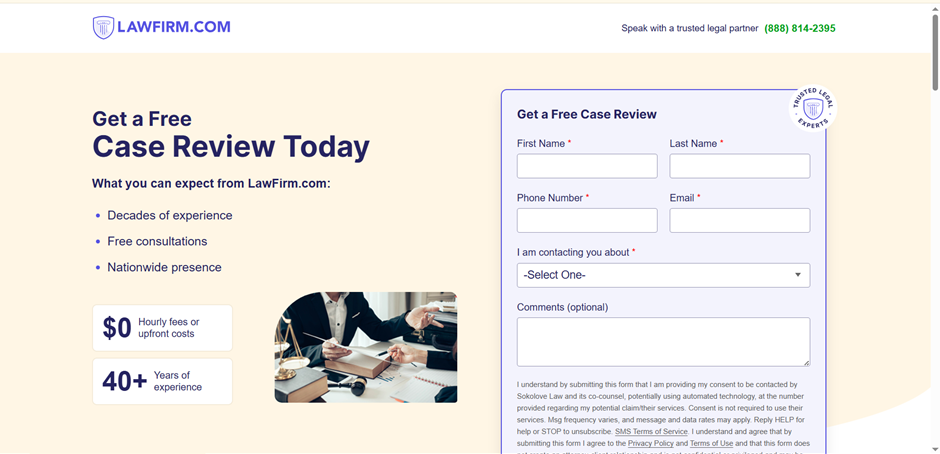
2. Locate a qualified specialist. Look for firms with experience in foodborne illness cases. You can find pre-screened contingency fee attorneys from free legal matching sites such as LawFirm.com.
3. Schedule free consultations. Show your packet to 2-3 specialized firms. Inquire about their contingency fee policy and their opinion of the strength of your case.
Pro tips:
- Avoid signing documents or accepting quick “good will” (such as gift cards) payments from insurance adjusters before consulting with a lawyer, since these will waive your right to sue.
- Inquire about the reasons (low damages or insufficient evidence) if a lawyer declines your case. Use that feedback to adjust your strategy.
Common pitfalls:
❌ Delaying for months before reaching out to a lawyer can result in evidence going bad and deadlines being missed.
❌ Posting about your illness on social media or giving defense lawyers statements they can use to downplay your claim.
✅ Having all illness communications private and taking action within weeks of your diagnosis.
Success looks like: You secured a specialist who works on contingency. No win, no fee.
COMMON MISTAKES TO AVOID
Mistake 1: Discarding physical evidence or purchase documentation
- Why it’s a problem: It ruins the chain of custody. The defense can also argue that you did not purchase or consume the food.
- How to avoid it: Retain every store receipt and loyalty card record alongside the item of packaging immediately.
- Do this instead: Place all receipts and physical packaging into a secure plastic bag. Then store it safely.
Mistake 2: Waiting too long to act
- Why it’s a problem: Rigid statutes of limitations will bar your claim permanently. And delayed action causes evidence to disappear.
- How to avoid it: Contact an attorney within weeks of your medical diagnosis.
- Do this instead: Gather your documentation. Then seek legal advice immediately while the details are fresh.
Mistake 3: Giving recorded statements to insurance adjusters
- Why it’s a problem: Adjusters often use manipulative questioning. The aim is to get you to minimize your injuries or sign premature liability releases.
- How to avoid it: Refuse recorded interviews, and don’t accept early nominal financial settlements before talking to counsel.
- Do this instead: Stop talking to the adjuster. Always refer them to your attorney.
KEY TAKEAWAYS
- The pathogen must be confirmed in the lab. Just correlating a meal with an illness isn’t enough.
- When an illness is connected with an official recall or public health outbreak, your odds of being successful in a settlement are dramatically improved.
- If there are measurable financial damages, such as medical expenses and lost income, the case is actionable, and a lawyer can work on a contingency basis.
- Food safety law is riddled with scientific issues and requires professional, specialized knowledge-always seek advice from a specialized attorney rather than a general practitioner.
FINAL THOUGHTS
You deserve compensation if you’ve suffered severe food poisoning. Don’t pay for a business’s negligence. Follow these steps to build a factual case: gather evidence, track your timeline, and consult a professional.
NEXT STEPS
Do this now:
- Ask your doctor for a lab report confirming your pathogen diagnosis.
- Make a folder of your receipts, bank statements, and a food timeline (72-hour written record).
- Make appointment(s) for free with two to three committed food safety lawyers in your state.
Keep learning:
- Check your local health department for the restaurant’s inspection history.
- Search the FDA and CDC databases for recalls or outbreaks.
- Research recent foodborne illness settlements in your state to get an idea of what the values of cases actually are.
Take Action:
Don’t leave your legal rights to chance. Reach out to an attorney specializing in foodborne illnesses today for a free, no-obligation consultation.
