

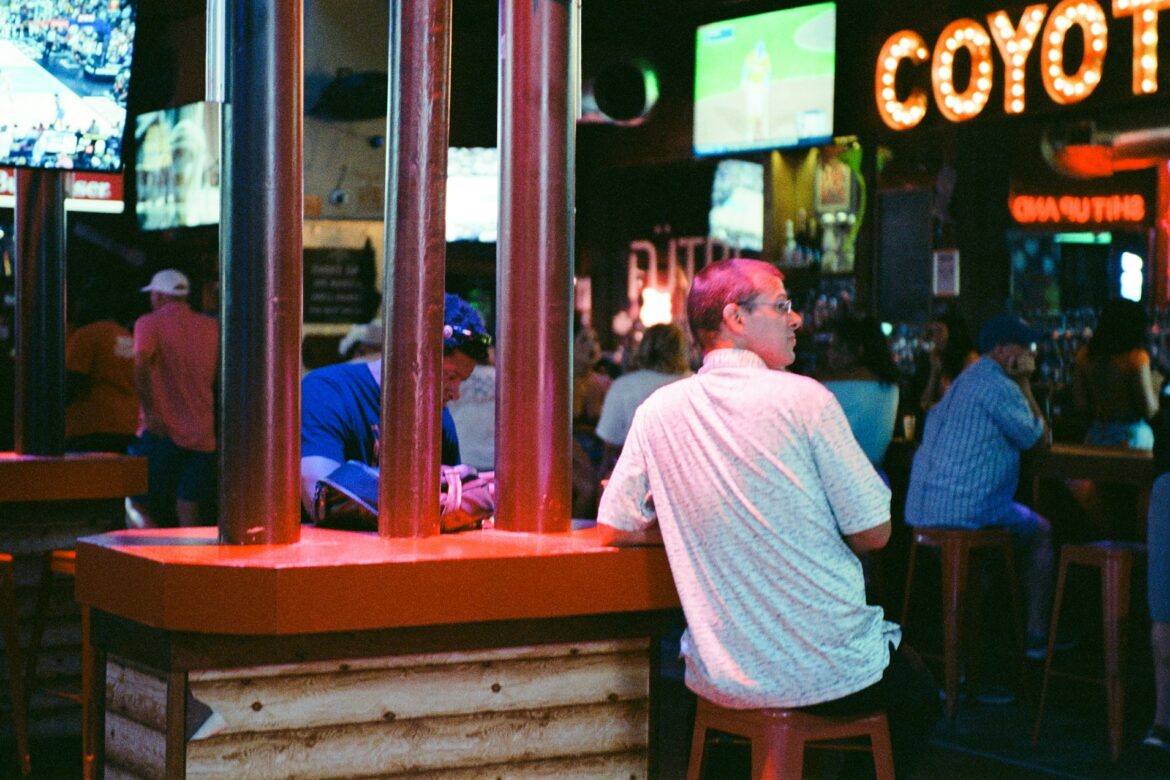
Something strange happened to bar food this summer, and honestly, it was overdue. With the World Cup final landing at MetLife Stadium on July 19 and eight matches playing out across the river in East Rutherford, sports bars from Bushwick to Hoboken to Stamford suddenly found themselves feeding the world. Fans from Dakar, São Paulo, and Marseille walked in expecting more than a basket of freezer-aisle mozzarella sticks. And you know what? The bars delivered.
The result is a quiet revolution in what a watch party tastes like. The tri-state’s best sports bars aren’t abandoning wings. They’re just asking harder questions about where the chicken comes from and what’s sitting next to it on the table.
Wings Grew Up, and So Did Everything Else
Walk into a decent watch spot in Brooklyn right now and the menu reads like a neighborhood restaurant that happens to have forty screens. Dry-rubbed wings finished with fish sauce caramel. Smashburgers on potato rolls from a bakery two miles away. Birria empanadas that nod to the borough’s Mexican and Dominican kitchens at once. This is the chef-driven turn the industry has been talking about for a couple of years, where game-day food competes with standalone restaurants instead of apologizing for itself.
Part of it is simple math. When a match runs three hours with stoppage time and penalties, people stay. Longer visits mean second and third orders, so the food has to hold up past the first beer. Operators across the country have noticed that fans treat a watch party as an entertainment expense, not just dinner, and they linger accordingly. Kitchens responded by building menus that reward that lingering. Small plates that arrive fast. Shareables portioned for a table of six strangers who just became friends over a stoppage-time equalizer.
The Sourcing Story Nobody Expected From a Sports Bar
Here’s the part that would’ve sounded absurd five years ago. Sports bars are now name-checking their farms. Jersey beefsteak tomatoes on the burger in July, because of course. Hudson Valley cheddar in the beer cheese. Montauk fluke in the fish tacos when the boats cooperate. A handful of spots in Jersey City and Astoria even run rotating taps devoted entirely to breweries within fifty miles, which turns a Tuesday group-stage match into an accidental tour of the region’s hop scene.
Is some of this marketing? Sure. But the food is genuinely better, and the crowds this summer have been genuinely international. When a table of Moroccan fans orders the same plate twice, that’s a review no influencer can fake.
The Second Screen at the Table
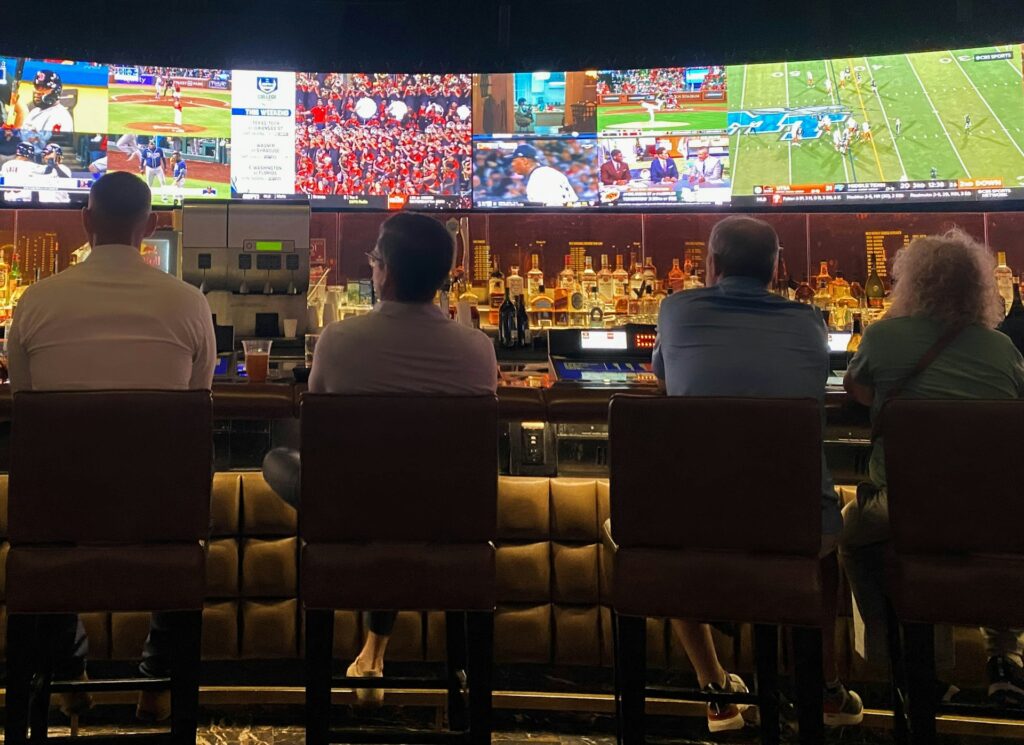
The other shift is happening in people’s hands, not on their plates. Look around any bar during a knockout match and half the room is glancing between the big screen and a phone. Some are tracking lineups or group tables. Others, in the Garden State, are placing live in-play wagers on the match itself or playing a few halftime hands on Betinia New Jersey, a state-licensed sportsbook and online casino where each adult logs into their own account on their own phone, with soccer odds running right alongside live dealer tables and slots. Bars have adjusted to this rhythm too, timing food drops to halftime because they know attention drifts there anyway.
Smart kitchens treat that fifteen-minute window as prime time. That’s when the loaded fries land, the second round of empanadas hits the pass, and the dessert menu makes its one honest pitch of the night.
Small Plates, Big Moments
The format change might matter more than any single dish. The old model was one giant platter dropped at kickoff, congealing by minute sixty. The new model is a steady pulse of food across the whole match. A snack at kickoff, something substantial around the half-hour mark, halftime indulgence, then something salty for the nervy final stretch. It mirrors how tasting menus pace a meal, just louder and with more yelling at referees.
Restaurateurs in Hoboken figured this out early, selling ticketed watch parties with buffet service built around match flow rather than fighting it. Expect that model to stick around long after the trophy leaves East Rutherford.
What Stays After the Final Whistle
The World Cup packs up on July 19, but the habits it built won’t. Tri-state fans have now tasted what a watch party can be when the kitchen actually cares, and there’s no walking that back. Football season starts in September. The bars that learned to source locally, pace their service, and cook like they mean it are about to have a very good autumn.
The wings survived the revolution. They just got better company.
