

Cooking at home has turned into a digital routine for many serious cooks. One tab holds a recipe, another keeps the grocery run open, and a third sits on a delivery account for the night the pantry looks thin. That setup can feel messy, but it also reflects how people actually cook now. Price still drives a lot of food choices, convenience ranks high, and many consumers are actively planning meals ahead, using leftovers, and hunting for better value. Pew found that cost is highly important to roughly six in ten Americans when choosing food, while PwC’s 2025 survey revealed that 49% of respondents plan meals ahead to reduce impulse spending and 48% make the most of leftovers and food already on hand.
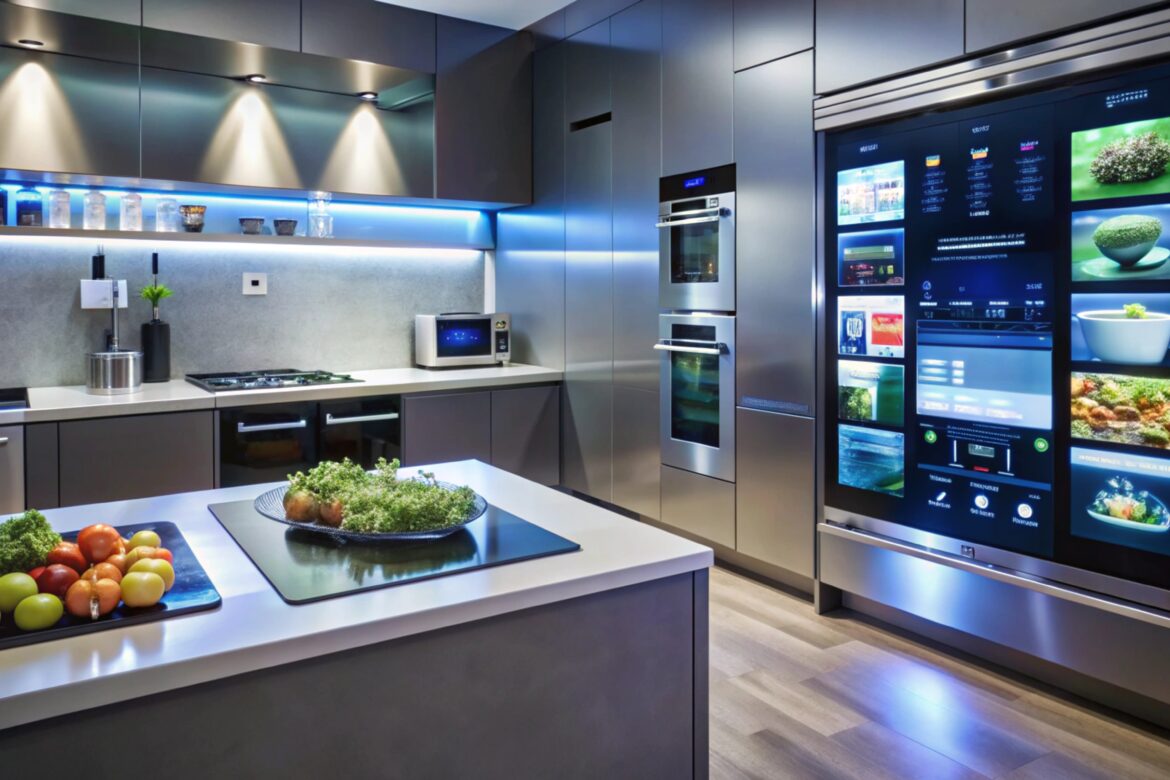
The kitchen has followed that same shift. Smart appliances are moving from novelty to normal, with market research pointing to steady growth in connected ovens, fridges, and other app-linked gear. Fortune Business Insights values the global smart appliances market at USD 72.31 billion in 2025. In addition, Grand View Research estimates the smart kitchen appliances market at USD 18.75 billion in 2023 and projects it to reach USD 60.20 billion by 2030. It shows home cooks want less friction, not more gadgets for the sake of gadgets.
The modern cooking stack is built around the phone
A lot of cooking now starts before the stove is even on. Recipe sites have leaned into saving, sorting, and collecting. EatingWell’s MyRecipes feature, for example, lets users save recipes into collections like Keepers and Want to Try, then pull those saved ideas into weekly menu planning instead of hunting through screenshots and notes apps later. That kind of setup fits the way busy cooks move through the week, especially when a meal idea appears during a commute, a lunch break, or a late-night scroll.
The useful part is that digital tools work best when each one handles a narrow job. A recipe app should help you choose the meal. A grocery app should help you buy the ingredients. A delivery account should save the night when time runs out. PwC’s 2025 survey backs that behavior up, showing strong comfort with GenAI for meal planning, supporting grocery and food budgeting, and building predictive grocery lists based on previous ordering habits. It also found that consumers are open to connecting smart kitchen appliances to suggest meal ideas and recipes based on ingredients already on hand.
| Tool | What it does best | Why busy cooks keep it around |
|---|---|---|
| Recipe saver or meal app | Holds favorite recipes in one place | Cuts down the scavenger hunt across screenshots, tabs, and DMs |
| Grocery app | Builds ingredient orders fast | Helps shoppers plan around budget, leftovers, and store-brand swaps |
| Smart appliance | Automates heat, timing, or monitoring | Reduces hands-on work once cooking begins |
| Secure account tool | Protects logins across apps | Keeps recipe, grocery, and delivery accounts from turning into a headache |
Security deserves a place beside the spatula
Once a cook relies on recipe sites, grocery accounts, delivery logins, and loyalty programs, account security stops being a side issue. According to Security.org, only 36% of U.S. adults use password managers, while over half still rely on memorization, browser storage, or written records. It also reports that users of those tools were less likely to experience identity theft or credential theft in the past year than non-users, which makes the case pretty clear for anyone managing a stack of food-related logins. While managing your favorite recipe sites and farmer’s market subscriptions, a reliable password manager keeps everything secure so you spend less time worrying about logins and more time experimenting in the kitchen.
The best tools are the ones that fade into the background while dinner gets made. A saved recipe, a ready grocery order, a smarter oven, a safer account setup, all of it adds up to fewer interruptions and less decision fatigue. For cooks who already juggle shopping, prep, and cleanup, that kind of support feels less like luxury and more like sanity.
Grocery tech is now part of the recipe process
For home cooks, shopping is no longer a separate task, but a part of the recipe workflow. NIQ reports that 50% of global respondents in its 2025 consumer outlook say they are buying more private label products than ever, which fits the broader value-first mood in grocery aisles and apps. On top of that, NIQ notes that online grocery sales still have plenty of room to grow, which explains why so many cooks keep a digital shopping list close at hand.
PwC’s survey gives that habit a practical edge. Among consumers worried about food costs, many are planning meals ahead, using promotions, switching to discount or store-branded products, and using up food in the fridge or cupboard before buying more. That is exactly where a digital grocery list can keep ingredients tied to actual recipes, help a shopper stay inside budget, and stop the classic mistake of buying a second jar of tahini when the first one is still hiding behind the olive oil.
Smart appliances help once the cooking starts
Connected appliances are more than a remote control from a phone. Manufacturers are now folding in AI, voice assistance, Wi-Fi connectivity, sensor tracking, and energy optimization. As per Fortune Business Insights, these features are pushing the smart appliances market forward. You should also know that smart refrigerators held the largest product share in its 2023 smart kitchen appliances market snapshot.
For a busy cook, a smart oven can hold temperature more steadily than a distracted human, and a connected fridge can help track what is inside. Additionally, a guided grill or app-controlled appliance can shave off the mental load that usually comes with timing and second-guessing. The point is not to replace cooking skill, but to to protect attention, which is usually the scarcest ingredient on a weekday night.
