

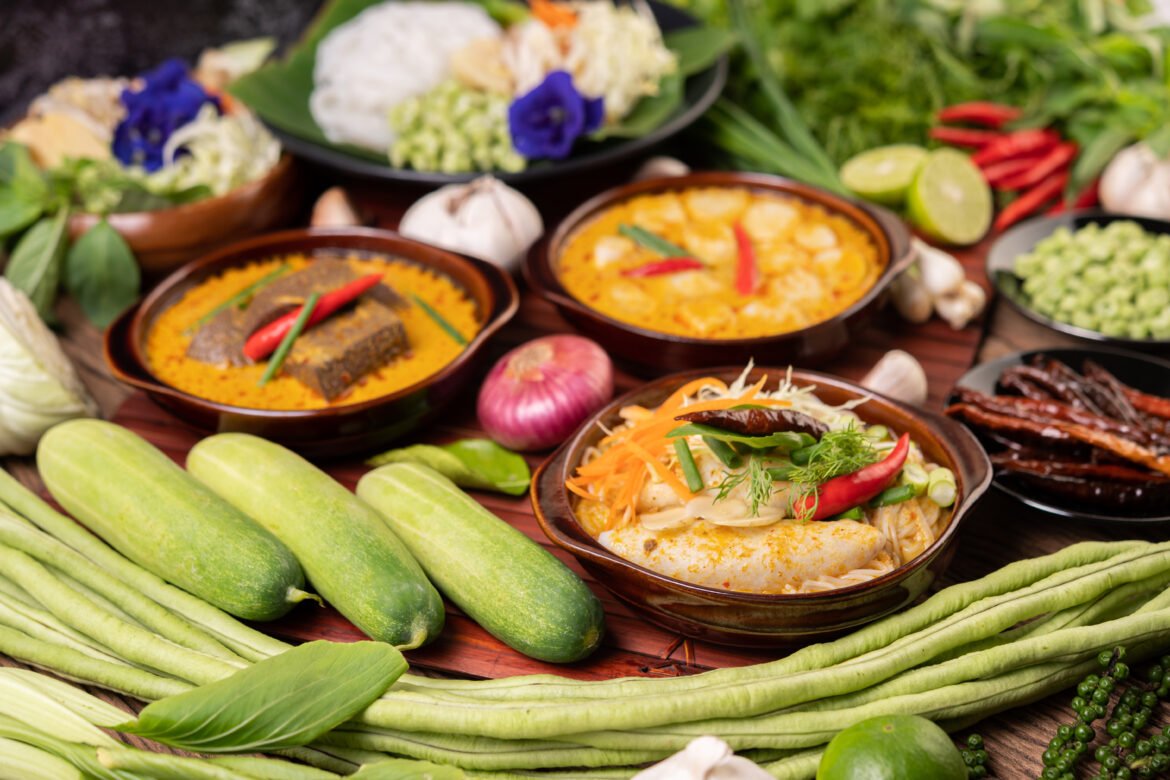
There is a particular kind of generosity at a Filipino gathering that takes the form of food. Dishes arrive unexpectedly, in combinations no one entirely planned: the adobo your tita made, the kare-kare that appeared from somewhere, the rice that has been refilled three times without anyone asking. The abundance is partly a gesture and partly a philosophy. You bring what you have, share it fully, and see what the table becomes.
That same instinct toward communal abundance, surprise, and the joy of things turning up unexpectedly runs through Filipino leisure culture more broadly. It shows up in how Filipinos play, and in which forms of entertainment resonate most. At Sanwits in New York, chef Eric Valdez is working through what Filipino sandwich culture means and what it should become, drawing on centuries of culinary influence to make something new. The same layered inheritance shapes how Filipino players approach entertainment, including the surge in digital gaming that has remade leisure culture in the archipelago over the last several years.
The table and what it teaches
Filipino cuisine is not minimalist. It is influenced by centuries of trade contact with Chinese, Spanish, Malay, and American cultures, and that accumulated influence shows in a food tradition that layers flavors, combines textures, and rarely arrives in a single, uncomplicated form. Woldy Reyes and the generation of Filipino-American chefs now reinterpreting these traditions in New York have made exactly this point: the complexity of Filipino food is not a problem to be resolved but an identity to be expressed.
Communal eating is central to this. Food in Filipino culture is rarely solo. It comes with people, with time made available, with the kind of conversation that happens when the table is generous enough to keep everyone there a little longer than they planned. That social dimension is not incidental to the meal; it is what the meal is partly for.
Filipino leisure habits carry the same architecture. Games and entertainment that offer surprise, variation, and the opportunity for shared reaction have always fit naturally into Filipino social culture. The moment when something unexpected happens and the whole room responds is its own kind of pleasure. The forms those games take have changed dramatically with mobile access and digital infrastructure, but the underlying preference persists.
What scatter mechanics have to do with Filipino culture
Online slot games have become one of the more popular digital entertainment formats in the Philippines over the past four years. Among the specific mechanics that Filipino players favor, scatter symbols occupy a distinctive place. Unlike standard paying symbols that must land on specific lines, scatter symbols activate bonuses regardless of their position across the reels. They turn up wherever they turn up, and when enough of them appear together, they trigger something rewarding and unpredictable.
The parallel to the Filipino table is not a stretch. Scatter mechanics deliver the entertainment equivalent of the dish that arrives unexpectedly and turns out to be the best thing there. The bonus triggered is variable in its rewards, communally shareable in its experience, and disconnected from any single strategic move by the player. It is, in a meaningful sense, a digital version of the surplus abundance that Filipino food culture treats as one of the better things that can happen.
For Filipino players exploring this format, the range of options spans titles from major international software developers alongside increasingly common Asian-market games — with many choosing to play scatter slots in the Philippines for their incorporation of visual and audio elements drawn from local cultural reference points.The diversity of what is available reflects how actively this market is being developed for local audiences rather than adapted from elsewhere.
The role of PAGCOR and responsible play
The Philippine Amusement and Gaming Corporation (PAGCOR) regulates online gaming operators in the country, providing a licensing framework that distinguishes legitimate platforms from unlicensed ones. That regulatory structure matters for users evaluating whether to engage with a platform. A PAGCOR license signals that the operator has accepted requirements around player protection and financial transparency that unlicensed alternatives are not held to.
Responsible engagement with online entertainment follows common-sense principles that apply equally to any discretionary leisure activity. Setting time and spending limits before a session, rather than reassessing during it, is the most straightforward protective habit. PAGCOR-licensed platforms are required to offer tools for exactly this: deposit limits, session timers, and self-exclusion mechanisms that give players structural options for managing their engagement rather than relying on willpower alone.
The framing matters here. Online gaming is an entertainment category, a way to spend leisure time that, at its best, delivers the same elements Filipino leisure culture values: surprise, variation, and the pleasure of something turning up unexpectedly. It is not a financial strategy and should not be approached as one.
What the convergence looks like from Brooklyn
The Filipino food scene in Brooklyn has spent years making an argument that Filipino cuisine deserves the same kind of serious cultural attention that Italian or Japanese food has long received. That argument is now largely won. Filipino restaurants draw lines, Filipino chefs have national profiles, and Filipino culinary traditions are being documented, debated, and reinterpreted with the same energy any living culture brings to its food.
The digital entertainment preferences of Filipino users are following a parallel trajectory. Platforms that began by porting Western formats into Philippine markets are increasingly developing or commissioning content designed for Filipino cultural sensibilities, with visual references, audio elements, and gameplay structures that reflect what local audiences actually respond to. The scatter slot market is part of that development: a format that travels well across cultures while also offering room for culturally specific expression within its mechanics.
The same layered generosity that shows up on a Filipino table keeps turning up in how Filipinos play. The unexpected dish, the surplus that becomes the point, the shared reaction when something good arrives without warning. The table and the game are different contexts. The instinct that makes both enjoyable is the same one.
