

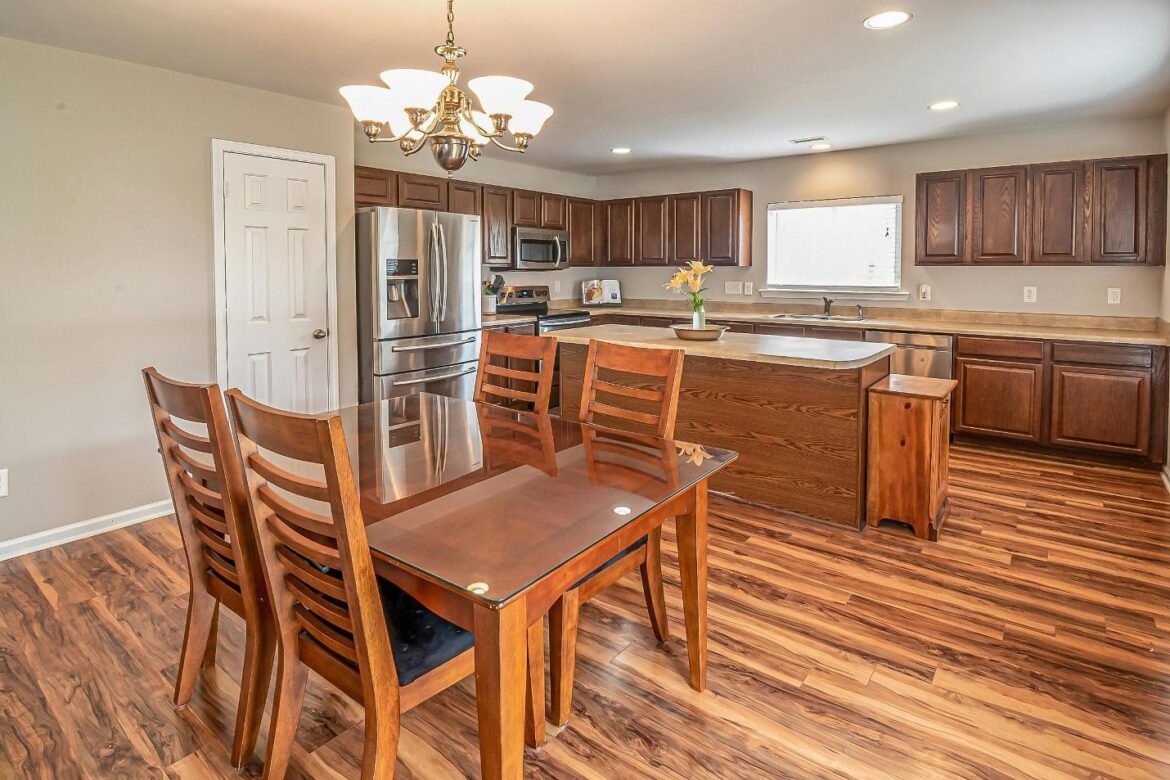
Moving into a new home is an exciting experience, but it can quickly become stressful if repairs and upgrades are left unfinished. Many homeowners focus only on packing and moving, then realize later that the house still needs important work. Taking care of renovations before moving in can save time, reduce stress, and make daily life much easier after settling in.
The best approach is to complete projects that are difficult to handle once furniture and personal belongings are inside the house. Flooring installation, painting, and major repairs are good examples because they can interrupt daily life if delayed. Finishing these upgrades early allows homeowners to unpack and settle into a cleaner and more functional space from the beginning.
Inspect the Home for Major Repairs
Before starting cosmetic upgrades, it is important to inspect the home for major repairs. Problems with roofing, plumbing, electrical systems, or the foundation can become expensive if ignored for too long. Roof leaks, damaged outlets, leaking pipes, and structural cracks should be repaired early to prevent bigger issues and improve safety before moving in.
It is also a good idea to create a renovation budget and timeline during this stage. Some repairs may be urgent, while others can wait until later. Proper planning helps homeowners stay organized and avoid overspending. Scheduling important repairs before the moving company arrives also makes the entire move easier because workers can complete repairs without furniture getting in the way.
Replace or Repair Flooring
Flooring is one of the most important parts of any home because it affects both comfort and appearance. Replacing or repairing flooring before moving in is much easier than doing it later. Empty rooms allow workers to complete the job faster without needing to move furniture or protect personal items.
Old carpets, cracked tiles, or damaged hardwood floors can make a home look worn out. Installing new flooring helps the house feel cleaner and more modern right away. Many homeowners choose flooring materials that are durable and easy to maintain, especially in busy areas like kitchens, hallways, and living rooms.
Repaint Walls and Ceilings
Painting is one of the easiest ways to give a home a fresh and clean appearance before moving in. Fresh paint can brighten rooms, cover stains, and make the entire space feel newer. It is also much easier to paint when rooms are empty and there is no furniture to move around.
Many homeowners prefer neutral paint colors because they create a simple and modern look. Light shades can make rooms feel larger and brighter while also matching different furniture styles. Neutral colors are also a safer choice for long-term use.
Before painting begins, walls and ceilings should be checked for cracks, holes, or moisture damage. Repairing these small problems first helps create a smoother finish and improves the overall result. Using quality paint can also help walls last longer, especially in high-traffic areas like hallways and kitchens.
Improve Electrical and Lighting Systems
Electrical upgrades are very important before moving into a new home. Many older houses still have outdated wiring, damaged outlets, or electrical systems that may not handle modern appliances properly. Fixing these problems before move-in day helps improve safety and prevents future trouble.
Adding more outlets is also a smart idea during renovations. Most families use many electronic devices every day, and having enough outlets makes life easier. Installing extra charging points in bedrooms, kitchens, and living rooms can improve convenience throughout the house.
Lighting also plays a big role in how a home feels. Dark rooms can feel smaller and less welcoming, while good lighting makes spaces feel cleaner and more comfortable. Replacing old light fixtures with brighter and more modern options can improve the appearance of the home without major renovation work.
Add Better Storage Solutions
Storage is something many people wish they had more of after moving into a new home. Adding shelves, cabinets, and closet organizers before unpacking helps keep the house neat and organized from the start.
Closets are one of the first areas many homeowners improve. Adding extra shelves, hanging rods, or drawer systems can make small closets much more useful. Organized storage spaces help reduce clutter and make it easier to find everyday items.
Kitchen storage is also very important. Installing cabinet organizers or pull-out shelves can improve space and make cooking more convenient. Pantry areas can also become easier to manage with proper storage systems.
Increase Energy Efficiency
Energy-efficient upgrades can help homeowners save money and improve comfort throughout the year. Many homes lose energy because of old windows, poor insulation, or outdated appliances. Taking care of these issues before moving in can reduce future utility costs.
Replacing old windows and doors is one of the most useful upgrades. Drafty windows allow heat or cool air to escape, which makes heating and cooling systems work harder. New windows and properly sealed doors help maintain indoor temperatures more effectively.
Insulation is another important area to check. Poor insulation can make rooms feel too hot in summer and too cold in winter. Adding insulation in walls or attics helps improve comfort and lowers energy waste.
Focus on Home Safety and Security
Safety should always be a priority before moving into a new house. Checking safety systems early helps protect both the home and the people living inside it.
Smoke detectors and carbon monoxide alarms should be installed and tested in important areas of the home. These devices provide early warnings during emergencies and can help prevent serious accidents.
Changing locks before moving in is also highly recommended. Previous owners or tenants may still have old keys, so replacing locks provides better security and peace of mind. Many homeowners also install stronger locks or smart security systems for added protection.
Taking care of important renovation projects before moving into a new home can save a lot of time and stress later. It is much easier to complete repairs and upgrades while the house is still empty. Projects like flooring, painting, electrical work, and storage improvements become more difficult once furniture and personal belongings are inside.
