

The Allure of a Short Urban Escape
Energy changes the instant a train enters Grand Central Station. The streets are humming, the church bells strike the hour, and centuries of stratified stories are lifted out of stone and brick. An overnight trip to a British city is both energising and not tiresome, providing galleries, markets, theatres, and architectural drama, all within walking distance.
The tone of a visit is frequently influenced by accommodation, especially when the travellers select luxury hotels in the UK, which often occupy refurbished townhouses or historic buildings. These properties offer both sophisticated interiors and a feeling of heritage by placing the guests near the big attractions and wrapping them in a cocoon of comfort. Whether it is a cocktail in the evening or a relaxed breakfast under the grand ceilings, the environment improves all the plans that come after it.
London’s Ever-Changing Tapestry
Few places provide as much variety as London. Local bookshops sell stories next to international fashion houses, and Roman walls are adjacent to glass buildings. Before heading to Covent Garden for a street performance and espresso, an afternoon could start at the British Museum, where exhibits trace civilisations across continents.
The capital’s global perspective is reflected in its culinary selections. Borough Market entices with its aromatic spices and handcrafted bread. Family-run kitchens offering recipes passed down through the generations coexist with Michelin-starred dining establishments. The West End’s theatre lights promise dramatic and musical evenings.
Hidden Corners Beyond the Postcards
Past well-known landmarks are neighbourhoods with unique personalities. Design studios and peaceful gardens may be found in Clerkenwell. Shoreditch is a hive of creative cuisine and modern art. Unrestricted wandering frequently leads to unanticipated pleasure.
Edinburgh’s Dramatic Presence
Edinburgh’s silhouette is defined by granite and volcanic rock. Echoes of emperors, reformers, and poets can be heard throughout the Royal Mile, which slopes between the castle and the palace. Every square is turned into a stage by artists during festival season.
Museums across the Scottish capital explore science, literature, and national identity. Visitors are welcome to follow innovation from prehistoric relics to contemporary engineering at Scotland’s National Museum. Following cultural immersion, seasonal produce from the nearby countryside and shoreline is served in intimate dining rooms.
Manchester’s Industrial Reinvention
Manchester’s story is told through its canal-side walkways and red brick warehouses. The city, which was formerly driven by cotton mills, currently prospers due to its creative enterprise, music, and media. Former factories are now galleries that combine modern art with raw materiality.
Independent vendors selling everything from creative pastries to freshly prepared spaghetti can be found in food halls. The evening features live performances in venues that helped establish notable bands. Architecture still reflects history, but the mood is more forward-looking than sentimental.
Bath’s Georgian Elegance
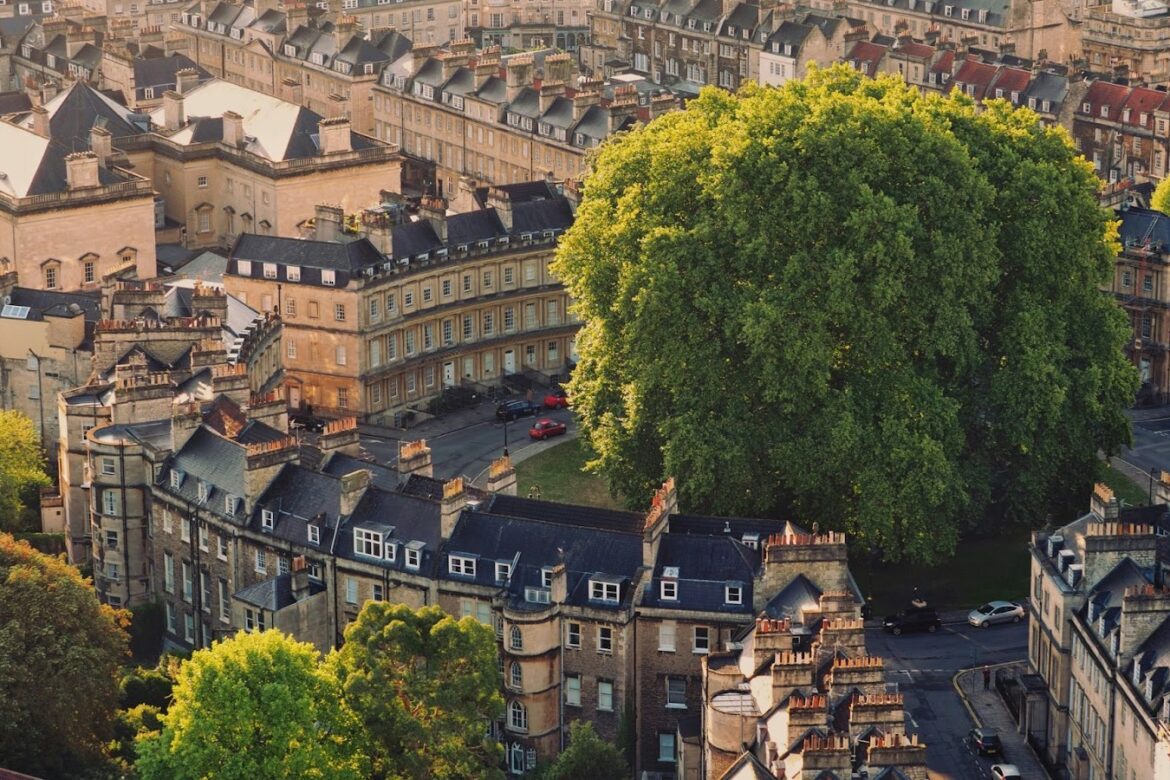
Honey-toned crescents flow softly across Bath. Roman baths are located beneath beautiful terraces, fusing eighteenth-century elegance with classical engineering. It is like entering a living architectural exhibition when you stroll through this small location.
Jane Austen-inspired literary excursions or art visits are common afternoon activities. While local eateries creatively reimagine local cuisine with a modern twist, tea salons showcase beautiful pastries on exquisite china. Immersion in the mood created by centuries of design is possible even during a short visit.
Culinary Exploration as Cultural Insight
Urban tourism is as much about taste as it is about landmarks. Local cuisine provides insight on agricultural heritage, trading connections, and migration trends. Guidebooks cannot replace the context that comes from tasting craft beer in a northern city or sampling seafood in a harbour town.
Markets encourage manufacturers to talk about inspiration, preparation, and sourcing. Tradition is frequently reinterpreted by chefs who blend creativity with memory. Dining becomes a tool for understanding identity.
Weaving History Into Modern Experience
Although cities are always changing, remnants of past times can still be seen in street names, conserved neighbourhoods, and stone carvings. Stories concealed behind façades are revealed during guided walks. Untold stories are highlighted by independent museums. Visitors are reminded by architecture that the bustle of today is based on centuries of development.
Choosing a quick city getaway in Britain allows for focused exploration without requiring extensive travel. Access is made easier by rail links, and walking exploration is possible in small cities. Heritage, food, and culture all blend to produce experiences that are immediate and enlightening.
Seldom does a vacation like this come to an end when you return home. Rather, it piques interest in the next place that lies beyond the platform.
