

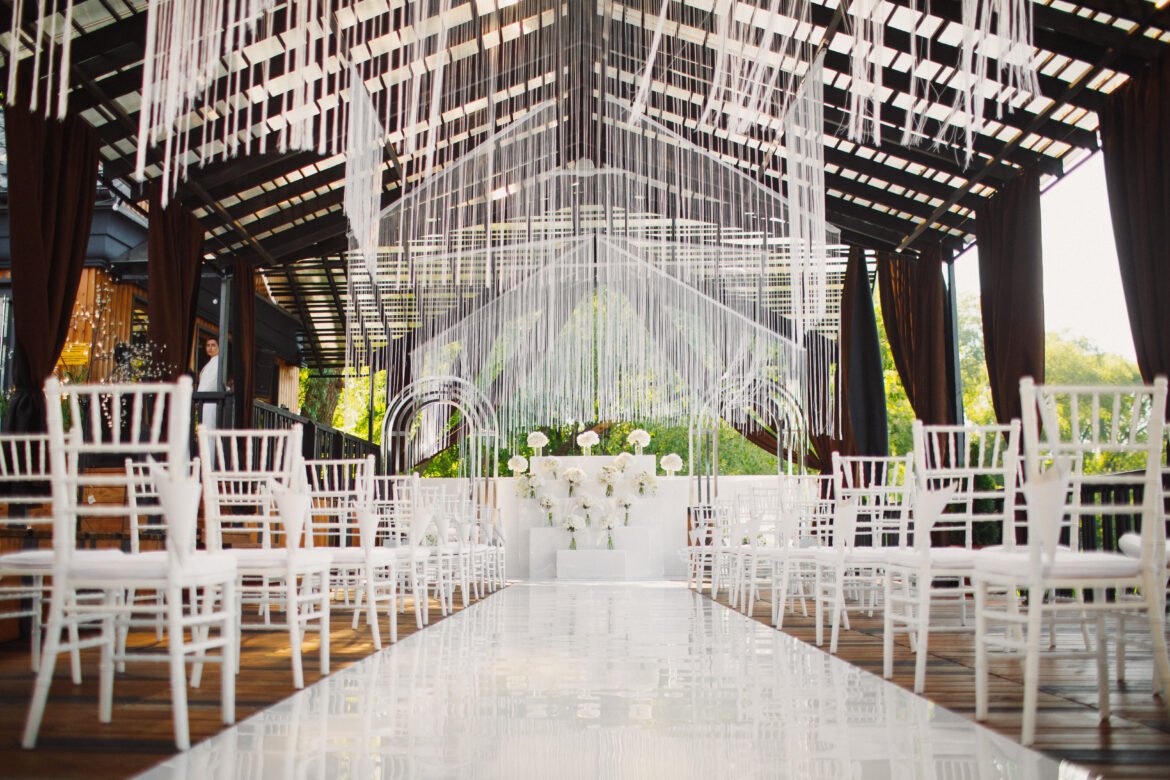
Planning a wedding involves countless decisions, but few are as important as choosing the right venue. The space you select shapes the atmosphere, influences your budget, and affects nearly every other aspect of your celebration. From guest experience to décor possibilities, your venue becomes the foundation of your wedding day.
With so many options available, finding wedding venues can feel overwhelming. This guide breaks down the key factors to consider when choosing a wedding venue, helping you make a confident and well-informed decision.
Why the Wedding Venue Matters
Your venue is more than just a location. It sets the tone for your entire event and plays a major role in defining your wedding style and logistics. It can influence everything from your guest list size to your catering options and even your attire.
Choosing wisely ensures your wedding day flows smoothly and reflects your vision as a couple.
1. Start With Your Budget
Before exploring venues, establish a clear budget. This step helps narrow your options and prevents falling in love with a space that is out of reach.
What to consider:
- Venue rental fees
- Catering and beverage costs
- Extra charges like décor, furniture, or overtime fees
- Deposits and payment schedules
A realistic budget keeps your planning grounded and reduces financial stress later on. It is also worth setting aside part of that budget for your estimated event insurance cost, which protects your big day against unexpected mishaps and gives you added peace of mind.
2. Know Your Guest List
Your guest count directly impacts the type and size of venue you need. A space that is too small can feel cramped, while one that is too large may feel empty and less intimate.
Tips:
- Estimate your guest list early
- Choose a venue with appropriate capacity
- Ensure there is room for dining, dancing, and entertainment
Having a rough headcount simplifies your venue search significantly.
3. Define Your Wedding Style
Every couple has a unique vision. Whether you prefer a romantic garden, a modern indoor space, or a rustic outdoor setting, your venue should align with your theme.
Ask yourself:
- Do you want an indoor or outdoor wedding?
- Is your style formal, casual, or somewhere in between?
- What atmosphere do you want your guests to feel?
Your venue acts as the backdrop, so choosing one that complements your style reduces the need for heavy decoration.
4. Consider Location and Accessibility
Location plays a huge role in guest convenience. A beautiful venue may not be ideal if it is difficult to reach.
Important factors:
- Travel distance for guests
- Availability of parking or transportation
- Nearby accommodations for out-of-town guests
Choosing a convenient location helps ensure your guests can attend and enjoy the celebration without stress.
5. Check Availability Early
Popular wedding venues often book months or even years in advance. Starting your search early gives you more flexibility with dates and options.
Pro tip:
- Be flexible with your date if possible
- Consider off-peak seasons or weekdays for better availability and pricing
Early planning increases your chances of securing your ideal venue.
6. Visit the Venue in Person
Photos can only show so much. Visiting a venue allows you to experience the space firsthand and visualize your wedding day.
What to look for:
- Layout and flow of the space
- Lighting and ambiance
- Cleanliness and condition
- Available facilities
A site visit can reveal details that are not obvious online, helping you make a more informed decision.
7. Understand What’s Included
Not all venues offer the same packages. Some provide full-service options, while others only offer the space.
Clarify:
- Are tables, chairs, and linens included?
- Is catering in-house or external?
- Are there preferred or required vendors?
Knowing what’s included helps you compare venues accurately and avoid unexpected costs.
8. Ask About Backup Plans
If you are considering an outdoor venue, weather can be unpredictable. Having a backup plan is essential.
Key questions:
- Is there an indoor alternative?
- Are tents or coverings available?
- How quickly can changes be made if needed?
Planning for the unexpected ensures your day runs smoothly regardless of conditions.
9. Review Contracts Carefully
Before signing any agreement, take time to review all terms and conditions.
Watch out for:
- Hidden fees
- Cancellation policies
- Time restrictions
- Setup and cleanup responsibilities
Clear communication and transparency are crucial when finalizing your venue.
10. Trust Your Instincts
Beyond logistics and pricing, your venue should feel right. Many couples find that the best choice is the one that aligns with their personalities and vision.
If a place feels meaningful and comfortable, it is likely a strong contender.
Conclusion
Choosing a wedding venue is one of the most significant decisions in the planning process. It shapes your event’s atmosphere, influences your budget, and impacts your guests’ overall experience.
By focusing on key factors such as budget, guest count, location, and style, you can narrow down your options and find a venue that truly fits your needs. Take the time to visit spaces, ask questions, and review details carefully.
Ultimately, the perfect wedding venue is not just about aesthetics. It is about creating a setting where you and your guests can celebrate comfortably, joyfully, and meaningfully.
