


Seven leading point-of-sale platforms sized up against Brooklyn’s dining scene, with practical guidance to help you pick the right system for your front-of-house operations.
Opening a restaurant in Brooklyn is an incredible feat. Keeping it open? That’s a different fight entirely. Caputo’s Bake Shop shutting down after 124 years proves that even beloved legacy spots aren’t immune, and modern favorites face equally razor-thin margins.
Meanwhile, competition keeps rolling in. Concepts like Theodora pop up across the borough every month, raising the bar for everyone. To survive, independent restaurateurs need a rock-solid operational backbone that handles high volumes without flinching. And the point-of-sale system you pick can make or break a Friday night service.
Analysts project the global POS market will hit $156 billion by 2030, a clear sign of how central this technology has become. Choosing wisely helps local chefs and owners protect their bottom line while still delivering a great dining experience.
Quick Facts: The Tech Behind the Table
Before diving into individual platforms, here are a few numbers and trends worth keeping in mind:
- Cost savings: AI-driven automation and smart inventory tracking are rapidly cutting food waste and labor inefficiencies, helping high-volume independent kitchens reclaim thousands in lost margins annually.
- Downtime threats: System crashes and lost Wi-Fi cost restaurants thousands in missed sales every year.
- Integration matters: Today’s top platforms connect front-of-house orders with inventory, payroll, and third-party delivery apps.
- Solve, don’t complicate: Industry experts stress adopting tech that fixes specific problems rather than adding friction to the workflow.
If you run a neighborhood joint in a pre-war Bed-Stuy building or manage a bustling brasserie in Fort Greene, you already know the pain of a dropped Wi-Fi signal during Sunday brunch. Sound familiar? Brooklyn’s historic brick-and-steel architecture is notorious for killing internet connections, leaving servers stranded and kitchen printers silent.
When the router blinks out mid-shift, chaos follows; revenue drops, and hungry guests grow restless. That’s exactly why local restaurateurs are ditching legacy registers for modern tech that can weather the borough’s infrastructure quirks. Industry insiders emphasize selecting technology that eliminates friction rather than layering on complexity.
From navigating tight floor plans with handhelds to syncing hyper-local ingredient inventories, the right system plays the unsung hero of Brooklyn’s best dining rooms.
| Name | Pros | Cons | Starting Price |
| SpotOn | Reliable offline modeTableside handheldsUnified digital dashboard | Requires a processing agreementHardware setup costs apply | $0 upfront (All-In Plan); $55/mo Essentials |
| Toast | Massive partner ecosystemBuilt-in payroll processingDeep recipe management | Proprietary Android lock-inLong-term software contracts | Custom quote |
| Square | Transparent entry costsNo long-term contractsFree software tier available | Add-on tools get expensiveLacks advanced multi-concept modularity | Free software tier |
| Lightspeed | Granular ingredient trackingAdvanced menu coursingOpen integration marketplace | Steeper learning curveHigher base price point | Custom quote |
| Clover | Versatile app marketplaceProprietary sleek hardwareSolid payment security | Pricing varies by processorNon-transferable hardware | Varies heavily |
| TouchBistro | Hybrid local/cloud stabilityIntuitive iPad interfaceVisual table layouts | FOH strictly requires iPadsCloud reports need internet | Custom quote |
| SyncroPOS | 0% online ordering commissionLocalized customer supportGreat for takeout joints | Less overall brand recognitionLimited third-party tools | Custom quote |
| ZBS POS | Multilingual user interfaceAll-You-Can-Eat menu supportExcellent for Asian cuisine | Highly niche market focusSmaller support network | Custom quote |
| OpenTab | Built-in cash discountingLocal NY tech support teamFrictionless iPad interface | Smaller national footprintFewer enterprise integrations | Custom quote |
SpotOn
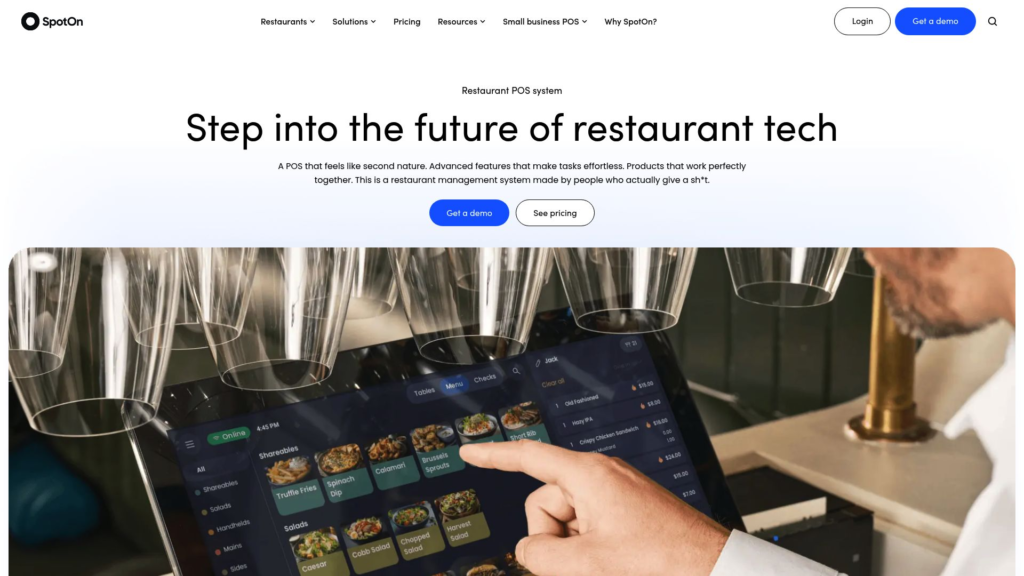
SpotOn is a fully integrated software and payments platform built from the ground up for restaurants, not a generic retail system with hospitality features tacked on. It combines table management, staff scheduling, and marketing campaigns under a single digital dashboard. The platform supports tens of thousands of small and midsize businesses nationwide, giving it serious traction with independent operators. Owners benefit from a restaurant POS that integrates software and payment processing into a single merchant account, cutting down on the vendor juggling act.
For New York operators specifically, this platform stands out as a strong safeguard against infrastructure headaches. Its offline mode handles the spotty internet connections that plague older Brooklyn buildings like a champ. If the Wi-Fi drops, the system switches over automatically, keeping all stations connected and firing tickets to the kitchen. Payments are stored locally until the connection comes back, saving you from thousands in lost revenue. Research shows that restaurants lose significant margin due to downtime and manual-entry errors during outages. With continuous uptime, your staff never has to resort to pen-and-paper tickets during a packed Friday night rush.
SpotOn also performs well on the dining room floor. Sleek handheld devices let servers take orders and process tap or dip payments right at the table, eliminating bottlenecks at the main terminal and turning tables faster during peak hours. The system connects with inventory platforms like MarginEdge and accounting software like Gusto, too. By tracking exact ingredient usage, POS platforms help reduce food waste and protect profits. That means full visibility into food costs and labor margins without manually exporting a single spreadsheet.
| Feature | Details |
| Key Product | SpotOn Restaurant POS |
| Target Vibe | Independent bistros, busy cafes, multi-location operators |
| Main Benefit | Enterprise-grade offline mode; keeps running without Wi-Fi |
| Integrations | Gusto, ADP, MarginEdge, and more |
Toast
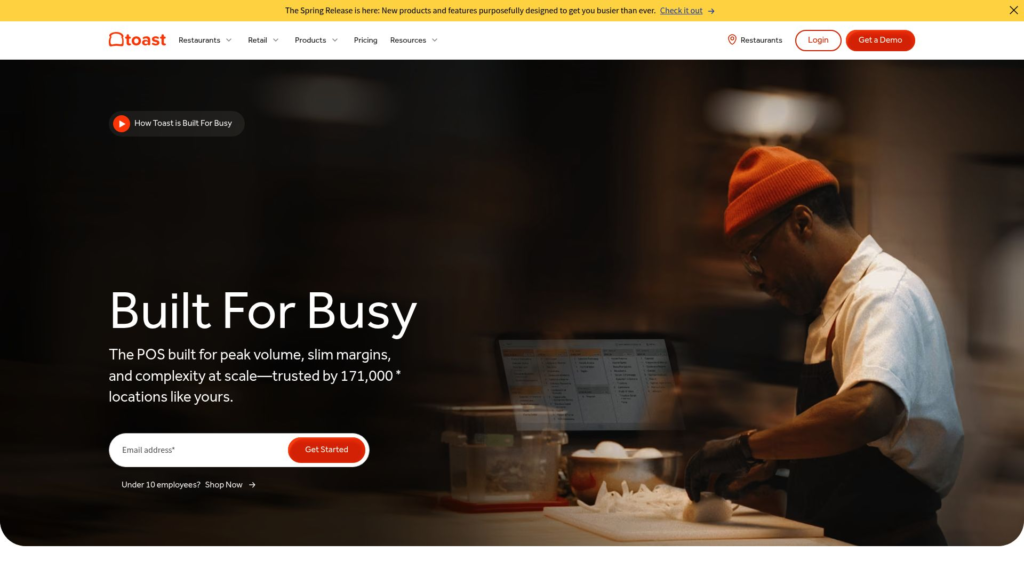
Toast is a heavyweight in restaurant tech, combining point-of-sale, payroll, and digital ordering into a single SaaS platform. It currently serves roughly 140,000 restaurant locations worldwide and generates massive recurring revenue through its Android-based hardware ecosystem. Built entirely for foodservice, it offers specialized modules like xtraCHEF for invoice automation and Sling for team scheduling.
For high-volume kitchens wrestling with relentless ticket times, Toast’s deep recipe management helps expedite complicated service flows with solid accuracy. The platform actively powers major operations, helping venues boost average revenue through streamlined digital ordering channels. A recent sweep by inspectors closed 11 Brooklyn eateriesfor improper food temperatures, underscoring the need for technology that helps operators track every detail. With reliable hardware in place, kitchen staff can focus on food safety instead of fighting sluggish ticket printers.
| Feature | Details |
| Key Product | Toast POS |
| Target Vibe | High-volume kitchens wanting a unified tech stack |
| Main Benefit | Front-of-house, digital ordering, and payroll in one place |
| Hardware Lock-in | Requires proprietary Android terminals |
Square
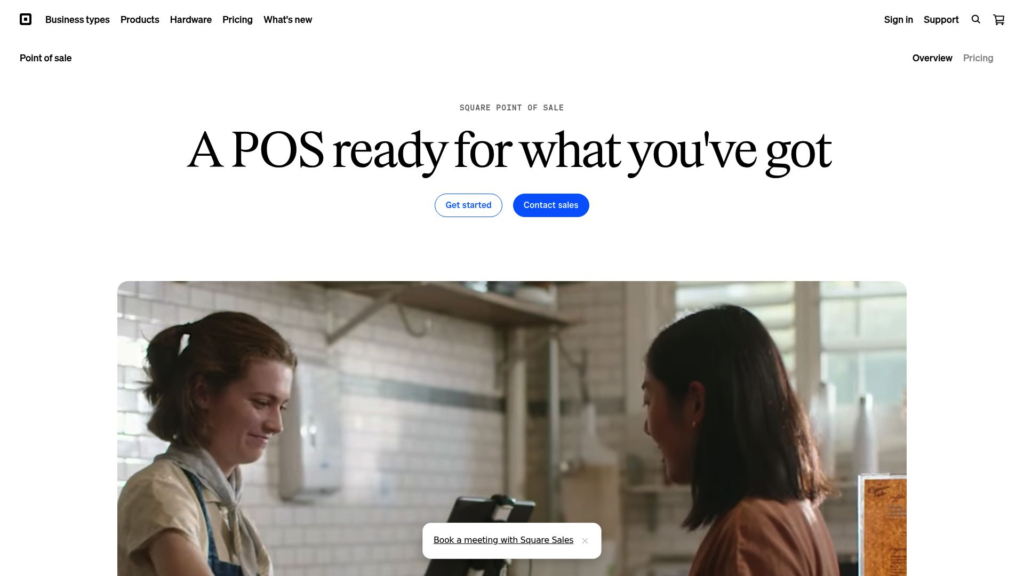
Square changed the small business landscape with accessible payment processing and transparent pricing. Its restaurant-specific product brings that same frictionless approach to the dining room floor. Running on compatible iPads and proprietary hardware like the Square Register, it’s an agile, cloud-based solution you can set up in a single afternoon without hiring an installation team.
Recent earnings reports show that seller volume grew 16 percent year-over-year in the food and beverage sector, indicating widespread adoption. For pop-ups or newly minted brick-and-mortars dealing with high neighborhood rents, the free software tier offers real financial flexibility. As the concept grows, you just upgrade to unlock advanced coursing, seat-by-seat ordering, and dedicated kitchen display routing.
| Feature | Details |
| Key Product | Square for Restaurants |
| Target Vibe | Pop-ups, neighborhood cafes, bakeries, new brick-and-mortars |
| Main Benefit | Transparent pricing; self-service setup, no installer required |
| Omnichannel Edge | Unifies online storefronts, loyalty programs, and in-person dining |
Lightspeed
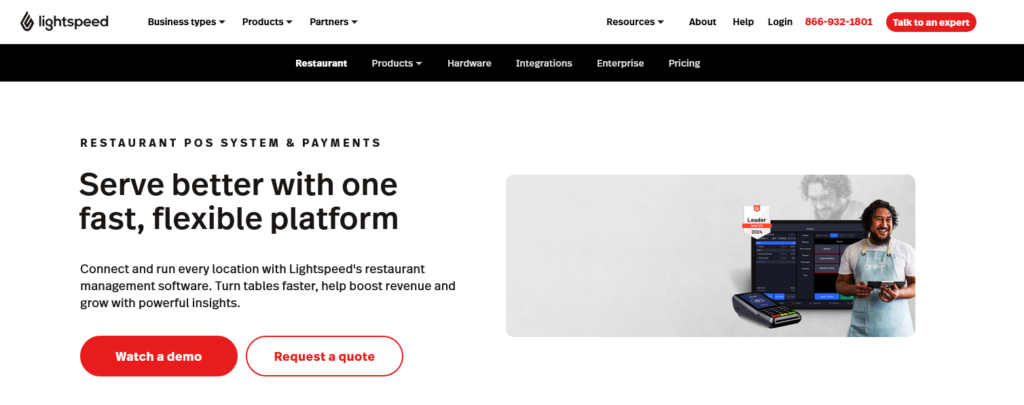
Lightspeed is a sophisticated, iPad-based cloud platform geared toward establishments that need serious customization. It commands deep respect in the fine-dining and multi-concept hospitality spaces where menus shift daily based on what’s available. As chefs reinvent the American brasserie and similar complex concepts, adaptable technology becomes a must.
The system handles extreme complexity with ease: advanced visual table mapping, granular inventory tracking down to the individual spice level, and a massive open API architecture that lets you connect bespoke accounting and CRM tools. For an ambitious tasting-menu concept or a sprawling multi-room venue, Lightspeed provides the surgical precision needed to keep the back-of-house running smoothly. Managers can track specific wine vintages and multi-course firing sequences without confusing anyone on the line.
| Feature | Details |
| Key Product | Lightspeed Restaurant |
| Target Vibe | Multi-course tasting menus, wine bars, complex hospitality groups |
| Main Benefit | Ingredient-level inventory tracking |
| Customization | Open integration marketplace for custom connections |
Clover
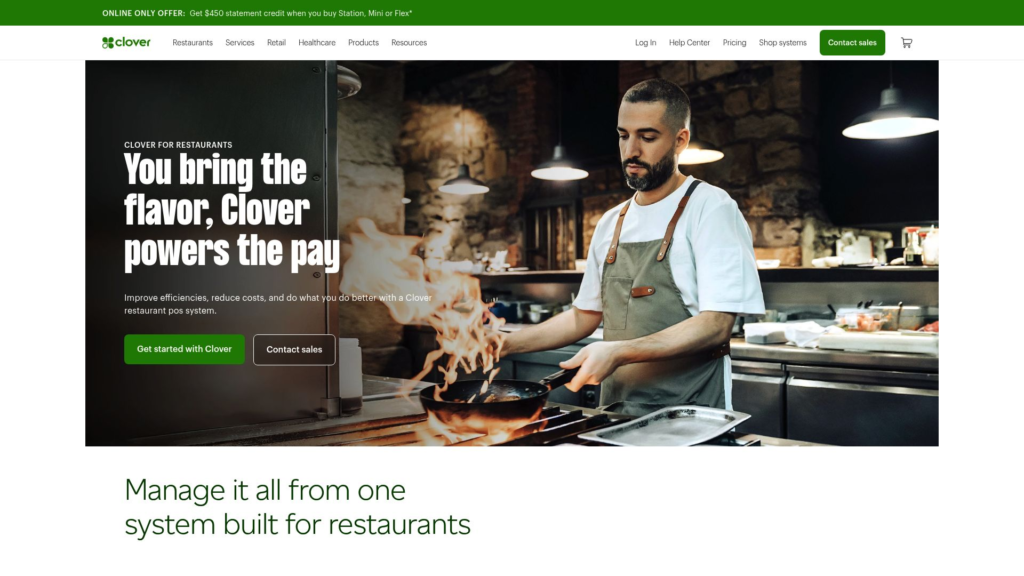
Backed by a major global financial company, Clover provides a modular hardware-and-software ecosystem for local eateries. Recent expansions, such as Brooklyn bakeries expanding into Manhattan, show the demand for reliable registers that can handle heavy foot traffic. Rather than just offering an app that runs on third-party tablets, Clover sells proprietary stations and handhelds with a polished industrial design.
The real power lives in a curated app marketplace where owners download specific tools to extend functionality. You can add advanced staff scheduling, loyalty programs, or niche accounting integrations right to your terminal. Because a global payments provider backs the whole infrastructure, transaction security and EMV compliance stay tight. It’s a solid pick for neighborhood cafes that want turnkey hardware with the flexibility to bolt on features over time.
| Feature | Details |
| Key Product | Clover POS |
| Target Vibe | Neighborhood cafes, fast-casual spots, food trucks, busy counters |
| Main Benefit | App marketplace for customizable software extensions |
| Hardware Modularity | Proprietary stations and mobile Flex devices fit most setups |
TouchBistro
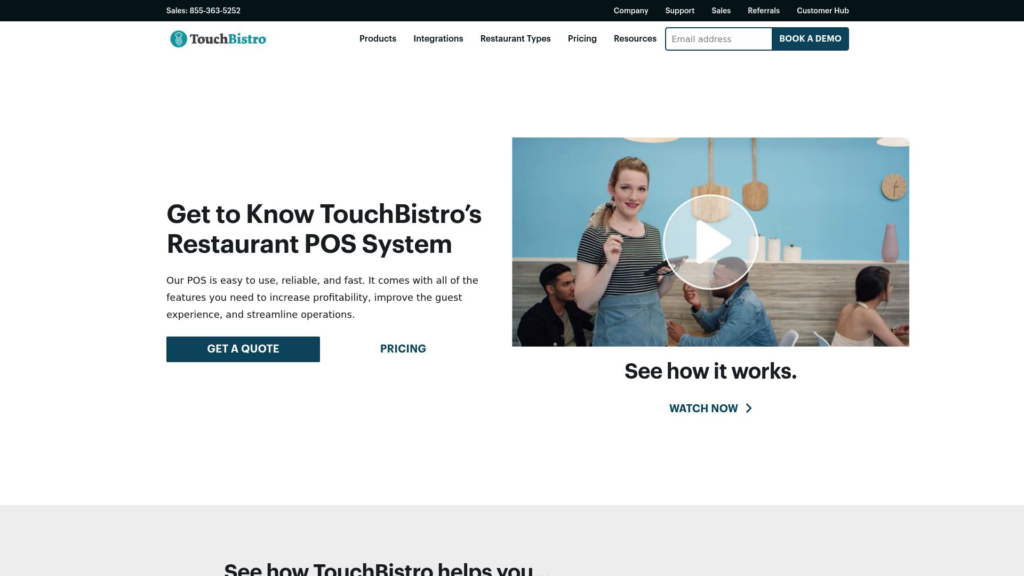
TouchBistro runs on iOS hardware and uses a unique hybrid architecture to stay stable during high-volume service. Instead of relying entirely on an external internet connection, it operates over a secure local network within the restaurant. So if the neighborhood ISP goes dark, the iPads keep talking to each other. Staff can continue firing orders to kitchen printers without lag or dropped tickets.
The platform recently showcased tech partnerships at the NRA Show, highlighting its commitment to growing the hardware ecosystem. Restaurant veterans built this interface specifically for the industry, and it shows: screen layouts are intuitive, visual table maps are easy to read, and drag-and-drop check splitting makes large parties manageable. It’s a natural fit for traditional full-service environments.
| Feature | Details |
| Key Product | TouchBistro POS |
| Target Vibe | Full-service restaurants using the Apple iOS ecosystem |
| Main Benefit | Local network stability during internet outages |
| Service Flow | Drag-and-drop check splitting for large parties |
SyncroPOS
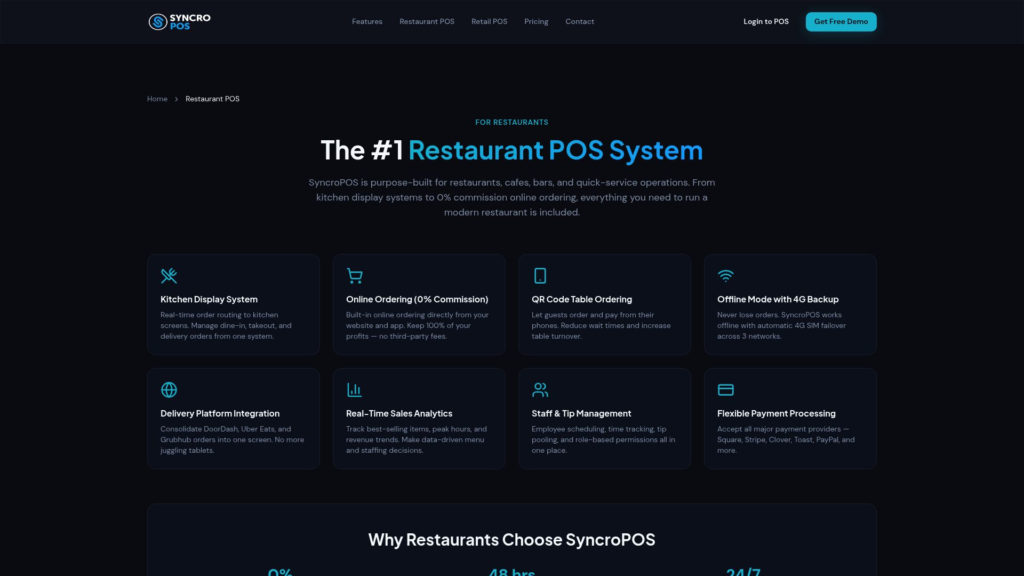
SyncroPOS is a cloud-based platform that markets itself aggressively to the North American hospitality sector. It doesn’t have the brand recognition of some bigger names, but it’s carved out a real niche. As groups develop historic spaces in NYC, budget-conscious independent operators are leaning hard on cost-saving software to compete.
SyncroPOS addresses the financial pain points of high-volume takeout joints, local pizzerias, and fast-paced delivery counters. Its standout feature? A native online ordering system that charges zero commission on digital orders. Pair that with localized tech support, and you’ve got a tool that helps smaller spots drive revenue independently while keeping digital order profits in-house for reinvestment in staff and food quality.
| Feature | Details |
| Key Product | SyncroPOS |
| Target Vibe | High-volume takeout, local pizzerias, quick-service counters |
| Main Benefit | 0% commission on built-in online ordering |
| Support Network | 24/7 localized support for New York and Canadian operators |
ZBS POS
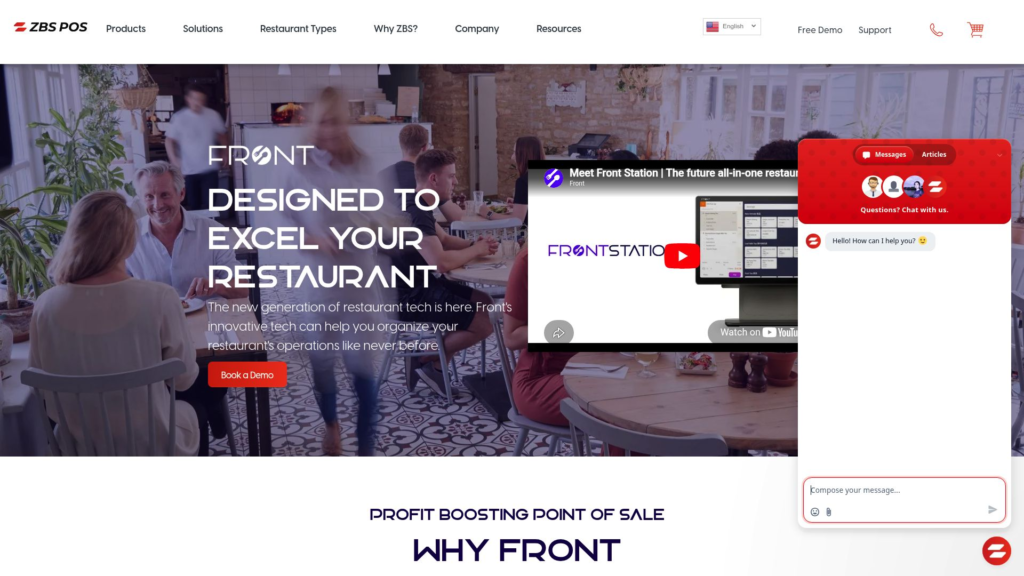
ZBS POS is a specialized cloud-based system trusted by hundreds of complex restaurants across the U.S. Just as Caribbean-Asian fusion thrives in Crown Heights, diverse kitchens need tools built for their specific operational quirks. Headquartered in Atlanta, ZBS functions as an all-in-one platform covering point-of-sale, online ordering, and merchant services.
What sets it apart is how well it handles the nuances of Asian cuisine models and mixed-service environments. The multilingual interface supports English, Chinese, Japanese, and Korean, making it accessible for diverse back-of-house teams. And it offers dedicated workflows for All-You-Can-Eat menus and intricate kitchen display screens. If you’re running an upscale hibachi chain or a fast-casual sushi counter, this kind of targeted functionality can seriously improve order accuracy and table turnover.
| Feature | Details |
| Key Product | ZBS POS |
| Target Vibe | Asian-cuisine restaurants, sushi spots, hibachi chains |
| Main Benefit | Multilingual interface; native All-You-Can-Eat support |
| Workflow Control | QR ordering and kitchen workflows for mixed-service models |
OpenTab
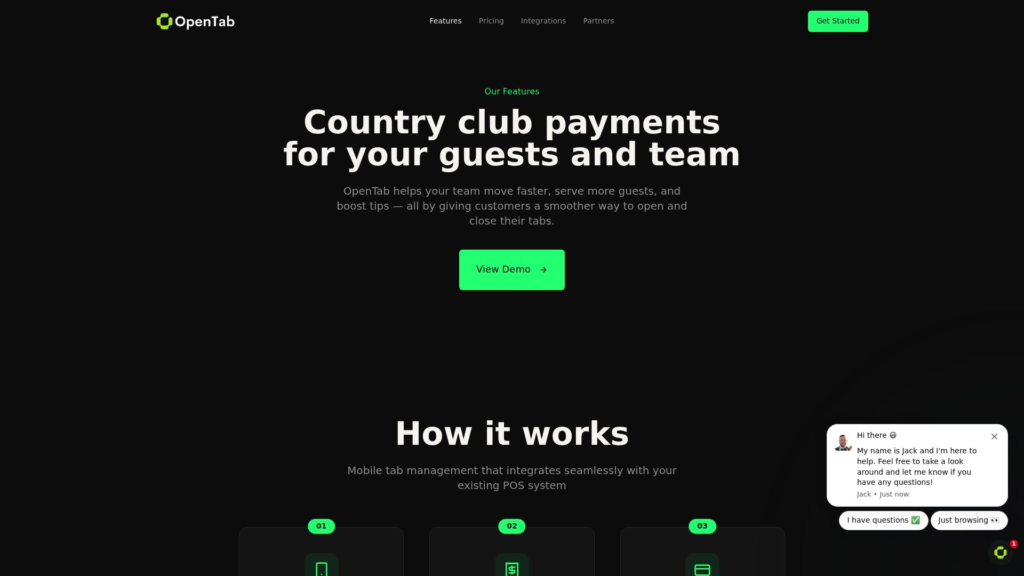
OpenTab POS takes a localized, grassroots approach to restaurant tech. Headquartered in New York, it provides an intuitive, iPad-based point-of-sale system built specifically for small- to midsize operations that don’t want to get lost in a massive corporate support queue. For neighborhood spots, having a direct line to on-demand, local IT support can mean the difference between a saved service and a disastrous Friday night.
The platform shines brightest when it comes to protecting thin profit margins. OpenTab POS features robust built-in cash discounting and dual-pricing programs, allowing Brooklyn bars and eateries to legally pass credit card processing fees on to guests who choose plastic. It also masters the essentials of modern service, offering smooth table-side ordering workflows and native integrations with major third-party delivery apps like DoorDash and Uber Eats—giving independent operators a powerful, cost-effective alternative to the national giants.
Local Edge: OpenTab’s dual-pricing module is a massive win for neighborhood joints looking to offset New York’s rising operational costs without raising baseline menu prices.
| Feature | Details |
| Key Product | OpenTab POS |
| Target Vibe | Neighborhood bistros, bars, pizzerias, and local coffee shops |
| Main Benefit | Local NY-based support coupled with native cash discounting tools |
| Workflow Control | Smooth iPad terminal operations with direct third-party delivery syncing |
Frequently Asked Questions
Do I really need a handheld POS device?
If you run a full-service restaurant or a busy patio, adding mobile hardware can seriously transform the workflow. Handhelds let servers instantly fire orders to the kitchen from the table, reducing ticket times during peak hours. This eliminates the bottleneck of staff waiting in line at a single stationary terminal. Faster ordering speeds up table turns, which means more revenue per shift without adding extra seats. Studies show that mobile ordering boosts guest satisfaction by getting hot food out faster and keeping orders accurate.
What happens if my POS goes offline?
It depends entirely on which system you’ve installed. Basic cloud-only platforms may freeze or lose unsynced data, forcing staff to rely on paper tickets (not fun during a dinner rush). But modern systems with enterprise-grade offline modes automatically buffer orders on the local network without skipping a beat. They’ll keep taking credit card payments and sync everything once the internet comes back. As conveyor-belt sushi chains expand into the New York market, independent operators need reliable offline capabilities to stay competitive.
Can a POS system actually lower food costs?
Yes, and it’s one of the most underrated benefits. Top-tier systems integrate with back-office inventory and automated invoice-processing tools so you can see exactly what’s going in and out. By matching what you sell against what you purchase, it’s easy to spot waste and catch sudden vendor price hikes before they eat your margins. You can adjust menu pricing or swap ingredients on the fly. The NYC farm-to-table movement is proof that smart sourcing and tight inventory management go hand in hand with profitability.
Keeping Your Kitchen Firing
Whether you sling late-night slices in Bushwick or plate a meticulous tasting menu in Cobble Hill, your restaurant is only as strong as its systems. The right technology means matching your specific operational quirks to software that won’t buckle under pressure.
Need offline resilience? Zero-commission delivery? Granular ingredient tracking? The right solution exists for your concept. By investing in the right digital tools now, you protect hard-earned margins against unpredictable headwinds and empower your staff to focus on what actually matters: incredible food and a memorable guest experience. To explore more of Brooklyn’s vibrant food culture, check out more food and drink stories from Edible Brooklyn.
