

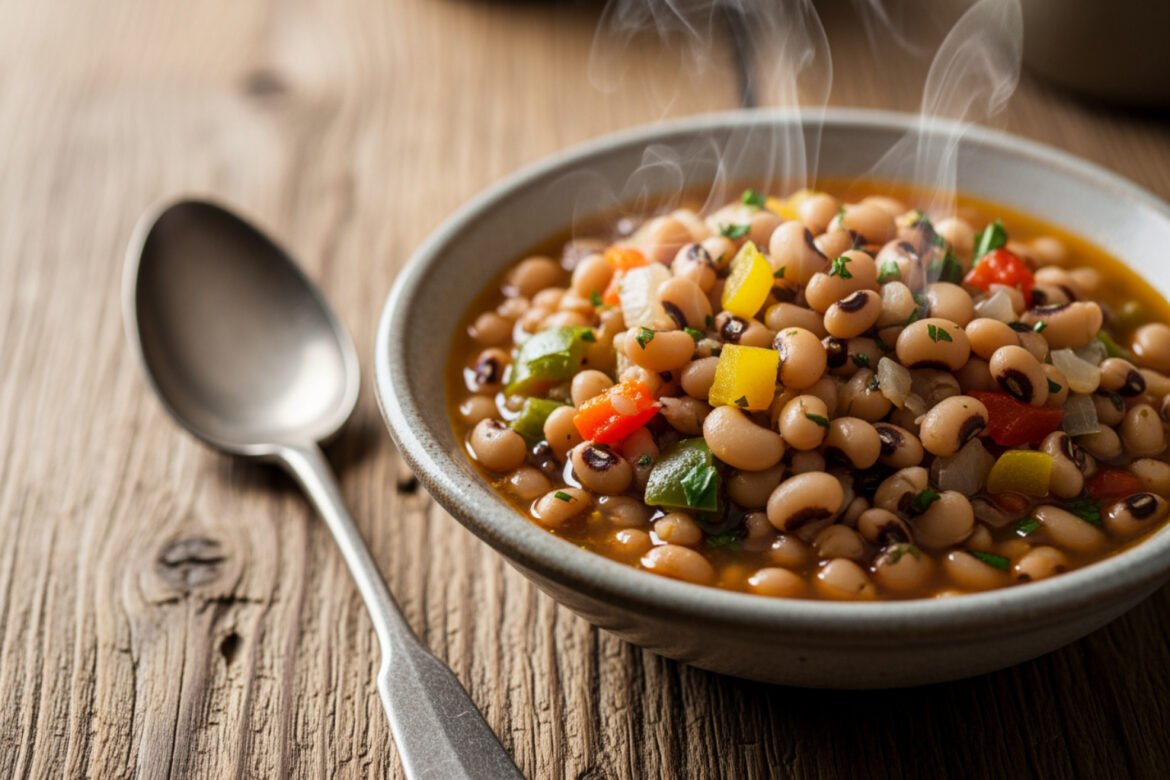
Why a Great Black Eyed Peas Recipe Matters
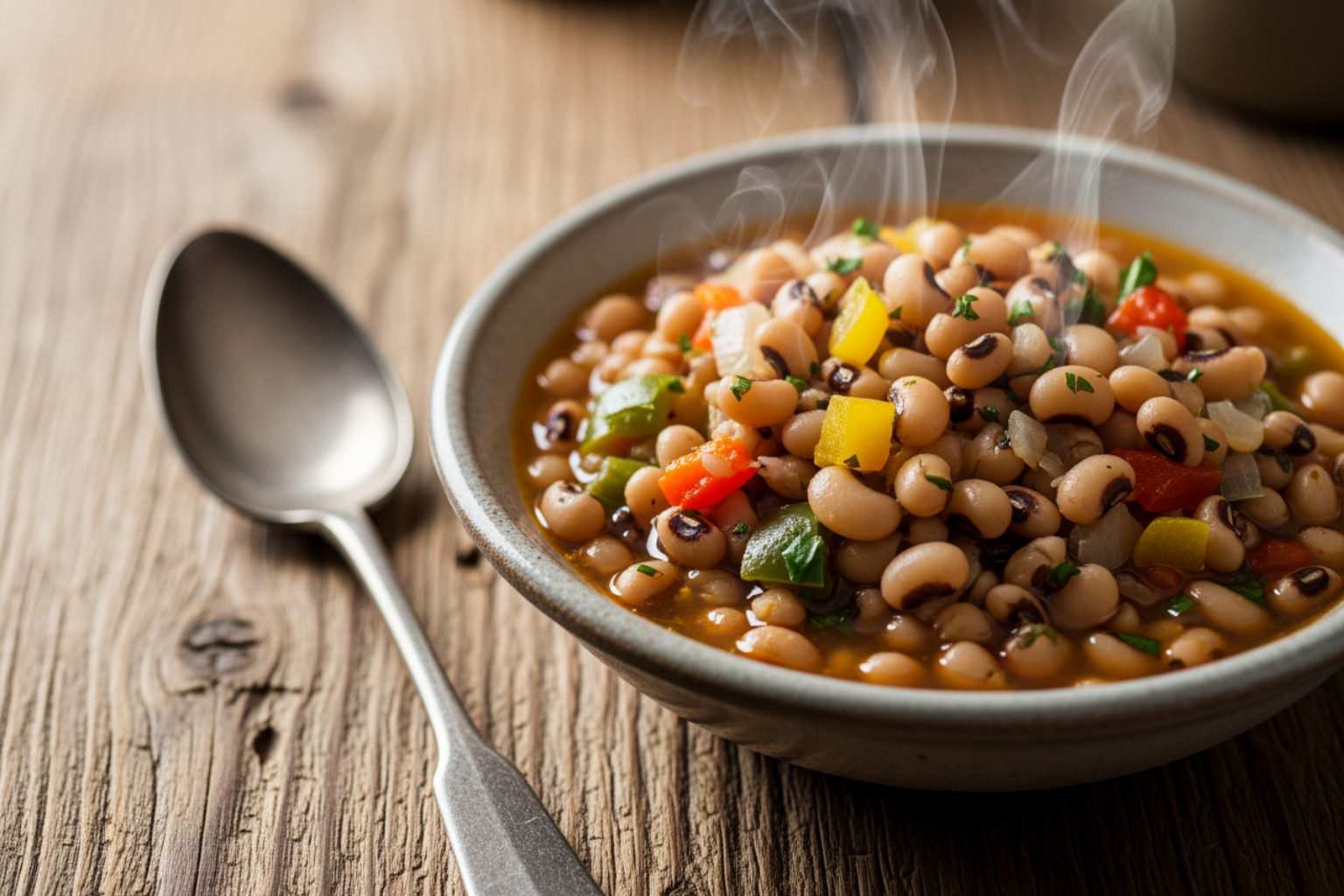
A black eyed peas recipe is more than just instructions for cooking beans—it’s a connection to centuries of culinary tradition, from West African roots to Southern soul food tables. Whether you’re preparing them for New Year’s Day good luck or simply craving a hearty, nutritious meal, knowing how to cook black-eyed peas properly transforms these humble legumes into something truly special.
Here’s what makes black-eyed peas worth mastering:
- Rich in nutrients – packed with fiber, protein, folate, iron, and magnesium
- Incredibly versatile – works in Southern soul food, Mediterranean stews, salads, and dips
- Budget-friendly – dried peas are inexpensive and feed a crowd
- Cultural significance – symbolizes prosperity and good luck, especially on New Year’s Day
- Easy to customize – adapts to vegan, vegetarian, or meat-based preparations
Black-eyed peas aren’t actually peas at all—they’re beans with a distinctive dark “eye” that originated in Africa and traveled to the American South in the 17th century. They offer a subtle nutty flavor and hearty texture that absorbs whatever seasonings you add, from smoky paprika to fresh herbs.
This guide walks you through cooking perfect black-eyed peas in five simple steps, plus variations for every cooking method and dietary preference. You’ll learn the classic Southern approach with bacon and aromatics, find time-saving Instant Pot techniques, and explore flavor twists from Mediterranean olive oil preparations to spicy Creole versions.
More Than Just a Bean: The Story of Black-Eyed Peas
When we talk about black-eyed peas, we’re actually referring to a small but mighty legume, not a pea at all! These versatile beans, easily recognizable by their creamy color and distinct black “eye,” boast a hearty texture and a subtle nutty flavor that makes them a favorite across many cuisines. Native to Africa, their journey brought them to the Southern U.S. in the 17th century, where they quickly became a soul food staple.
Beyond their culinary appeal, black-eyed peas carry significant cultural weight, particularly their association with New Year’s Day. In many communities, including those right here in Brooklyn and across New York, eating a black eyed peas recipe on the first day of the year is believed to usher in prosperity and good luck. This tradition, often attributed to the Civil War era, symbolizes pennies or coins, with collard greens often representing paper money, ensuring a financially fruitful year. Some even place clean pennies or dimes in the pot for extra luck, believing the person who finds the most coins will be the luckiest!
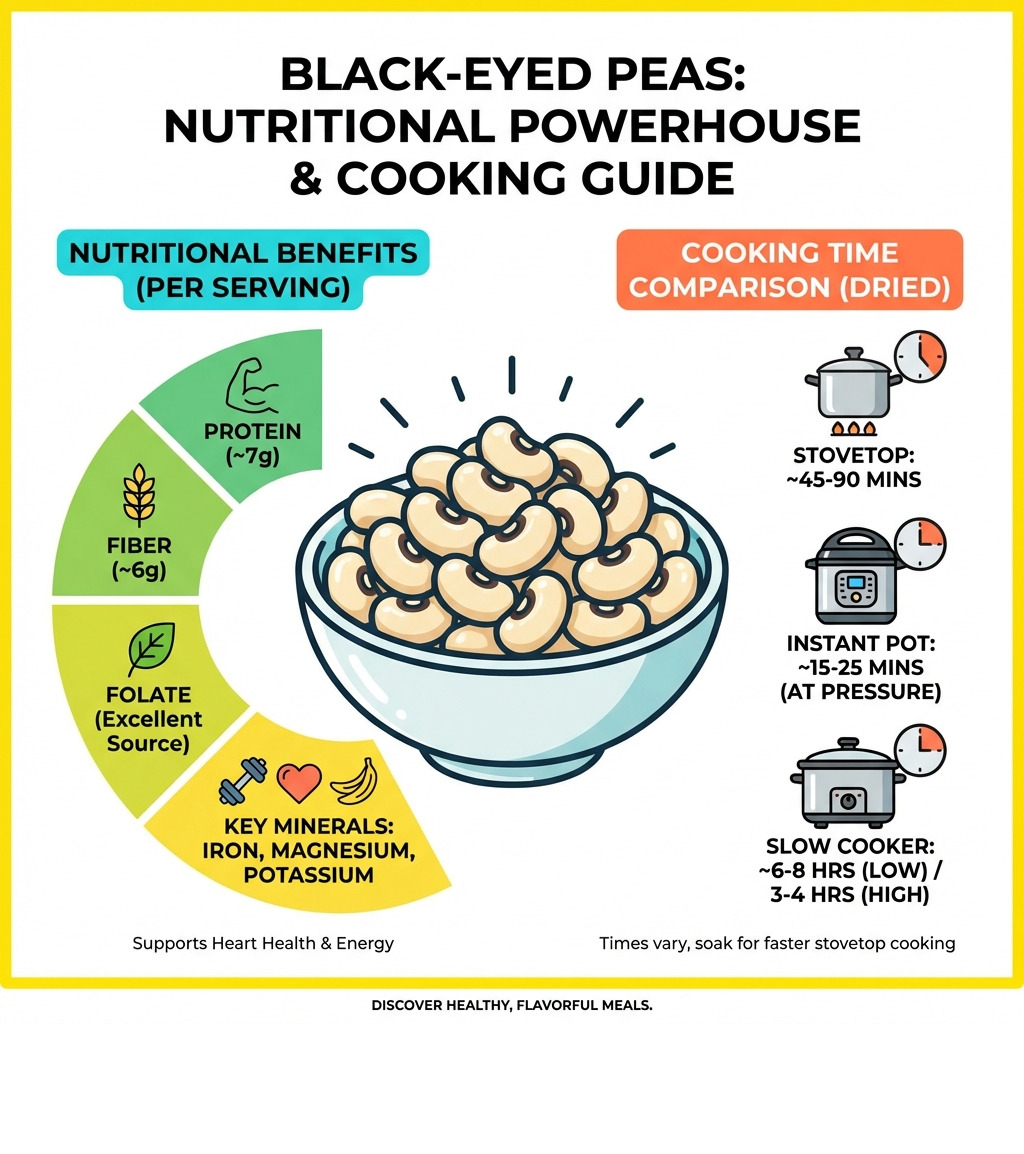
But their appeal isn’t just superstitious; it’s deeply rooted in their impressive nutritional profile. Black-eyed peas are a powerhouse of health benefits. They are rich in iron, potassium, fiber, and protein, while being naturally low in fat and sodium. They also provide soluble fiber, folate, magnesium, and vitamin A. Like many other beans and legumes, they are a fantastic addition to a Mediterranean diet, known for promoting overall well-being. Their high fiber, protein, and healthy carbohydrate content ensures these cute little beans will keep you full and satisfied. For detailed nutrient data, you can explore the official entry for black-eyed peas in the USDA FoodData Central database.
The Ultimate Southern Black Eyed Peas Recipe (The 5 Steps)
For us, nothing quite says comfort food like a classic Southern-style black eyed peas recipe. It’s a soul food staple that delivers a deeply smoky and savory flavor profile, perfect for a cozy meal or a celebratory gathering. This recipe, perfected over generations, transforms simple ingredients into a dish that’s consistently a hit at family dinners.
Essential Ingredients for this Black Eyed Peas Recipe
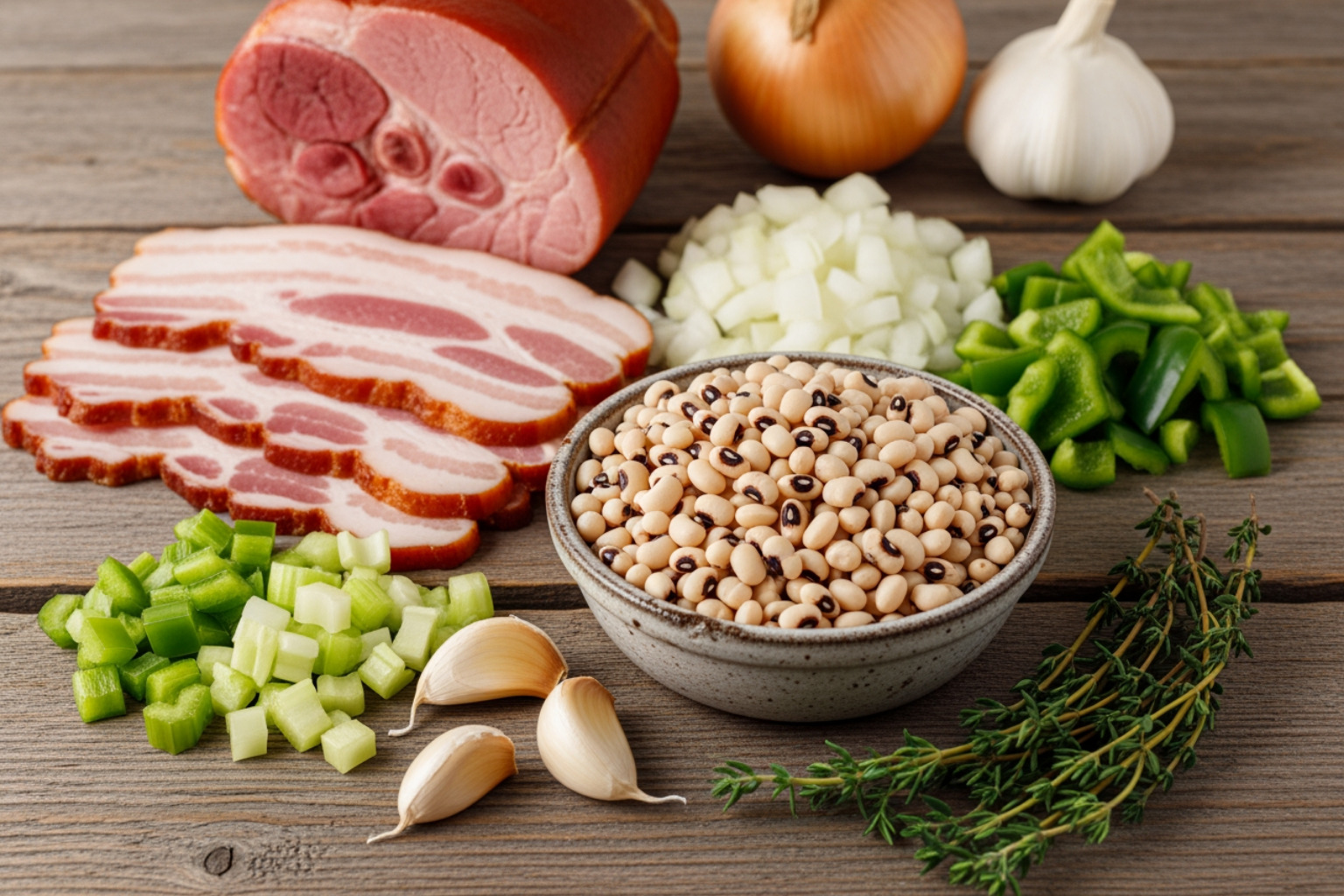
Crafting the perfect Southern black-eyed peas starts with selecting the right ingredients. We aim for quality and flavor, ensuring each component contributes to a rich, satisfying experience.
Here’s what you’ll need:
- Dried black-eyed peas: Approximately 1 pound. While canned peas offer a shortcut, dried peas provide superior texture and flavor.
- Smoked meat: This is crucial for that authentic, smoky Southern taste. Options include:
- Ham hock (a traditional choice for deep flavor)
- Thick-cut bacon (diced)
- Smoked sausage (sliced or crumbled)
- Smoked turkey wings (a great alternative for those avoiding pork)
- Aromatics: The foundation of flavor.
- 1 large yellow onion (chopped)
- 4-6 cloves garlic (minced or chopped)
- 2-3 stalks celery (diced)
- 1 green bell pepper (chopped, or a red bell pepper for a touch of sweetness)
- Liquid:
- 6-8 cups chicken broth or vegetable broth (low sodium is preferred for better salt control)
- Seasonings: These lift the dish.
- 1-2 dry bay leaves
- 1 teaspoon dried thyme
- 1 teaspoon smoked paprika (essential for that smoky depth)
- 1/2 teaspoon cayenne pepper (or to taste, for a subtle kick)
- Kosher salt and freshly ground black pepper (to taste)
- Optional: 1/2 – 1 teaspoon ground cumin (some consider this a “secret ingredient” for setting the dish apart!)
- Finishing touches:
- 1-2 tablespoons white vinegar or fresh lemon juice
- Fresh chopped parsley or green onions (for garnish)
Step 1: Soak and Prep Your Peas
Before we dive into cooking, proper preparation of your dried black-eyed peas is key. While some recipes suggest skipping this step, we highly recommend soaking them. Why? Soaking significantly reduces cooking time and helps the peas cook more evenly, resulting in a perfectly tender, creamy texture. It also aids in digestion, making for a more comfortable meal.
You have two main options for soaking:
- Overnight Soak (Traditional Method): Place your dried black-eyed peas in a large bowl and cover them with at least 3 inches of cool water. The peas will expand considerably, so ensure there’s plenty of water. Let them soak for at least 6 hours, or ideally, overnight (no longer than 10 hours for best results).
- Quick Soak Method: If you’re short on time, place the peas in a large pot, cover with water (again, at least 3 inches above the peas), bring to a rolling boil for 2-3 minutes, then remove from heat, cover the pot, and let them stand for 1 hour.
Regardless of the method you choose, always drain the soaking water and rinse the peas thoroughly under cold running water before cooking. This removes any residual starches and ensures a cleaner flavor.
Step 2: Build Your Flavor Base
This is where the magic truly begins, creating a rich foundation for our black eyed peas recipe. A flavorful base is what distinguishes a good dish from a truly memorable one.
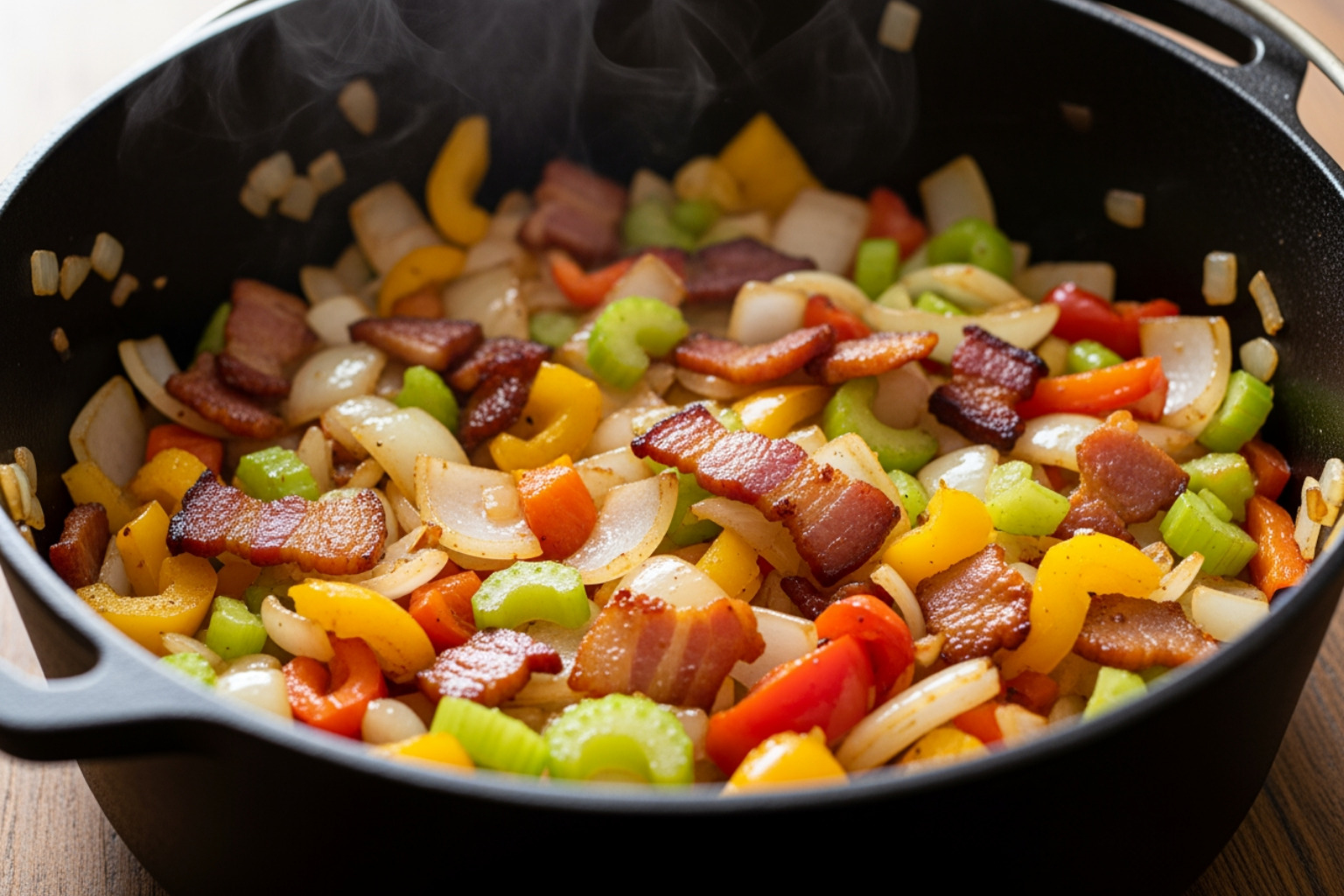
We start by heating a large pot, preferably a Dutch oven, over medium-high heat. A Dutch oven is excellent for even heat distribution, which is crucial when building layers of flavor.
- Render the Smoked Meat: If using bacon or sausage, add it to the hot pot. Cook until the bacon is crispy and browned, or the sausage is nicely seared and cooked through. This process renders out fat, which we’ll use to sauté our aromatics, infusing them with smoky goodness. Once cooked, remove the meat from the pot, leaving about 1-2 tablespoons of fat behind. If using ham hocks or smoked turkey wings, you’ll add them later. For a vegan option, simply start with a good quality extra virgin olive oil.
- Sauté the Aromatics: Add your chopped onions, celery, and bell pepper to the pot. Sauté for 5-7 minutes, stirring occasionally, until the vegetables soften and become translucent. This step sweetens the onions and mellows the peppers.
- Add Garlic: Finally, stir in your minced garlic. Cook for just 1-2 minutes more, until fragrant. Be careful not to burn the garlic, as this can turn bitter. If you’re adding additional vegetables like diced carrots, this is the time to add them alongside the onions and celery. Sautéing these aromatics first is a best practice that truly improves the overall flavor.
Step 3: Simmer to Perfection
With our flavor base established, it’s time to bring everything together for a slow, gentle simmer. This step is all about allowing the peas to tenderize and absorb all the wonderful flavors we’ve built.
- Combine Ingredients: Return the cooked bacon or sausage to the pot (if using). If you’re using ham hocks or smoked turkey wings, add them now. Then, add your drained and rinsed black-eyed peas. Pour in the chicken or vegetable broth, ensuring the liquid generously covers the peas. We typically use about 6-8 cups of broth for 1 pound of dried peas, depending on how much liquid the peas absorb and how thick you want the final dish.
- Add Bay Leaves: Tuck in 1-2 dry bay leaves. These aromatic leaves will infuse a subtle, earthy note into the broth. Some prefer to tie spices in cheesecloth for easy removal later, but for bay leaves, we usually just drop them in.
- Bring to a Boil, Then Simmer: Bring the mixture to a rolling boil over medium-high heat. Once boiling, reduce the heat to low, cover the pot, and let it gently simmer.
- Cook Until Tender: Allow the peas to simmer for approximately 1 to 1.5 hours, or until they are tender. The exact cooking time can vary depending on the age of your peas and how long they were soaked. Periodically check the liquid level and stir gently to prevent sticking. If the mixture appears too dry, add a little more broth or water to ensure the peas remain submerged. We also recommend skimming any foam that rises to the surface during the initial boiling phase for a cleaner broth. The goal here is patience; a slow simmer allows the flavors to meld beautifully.
Step 4: Season and Thickens
Once our black-eyed peas are tender, it’s time for the crucial steps of seasoning and achieving that perfect, comforting consistency.
- Remove Smoked Meat & Bay Leaves: If you used a ham hock or smoked turkey wing, carefully remove it from the pot. Once it’s cool enough to handle, shred the meat from the bone and discard the bone and skin. Return the shredded meat to the pot. This adds another layer of meaty flavor and texture. Don’t forget to remove the bay leaf (or leaves) at this stage.
- Add Final Seasonings: Now, we’ll introduce our main seasonings. Stir in the smoked paprika, cayenne pepper (if using), and optional ground cumin. This is also the time to add Creole seasoning if you desire a spicier, more complex flavor profile. We hold off on adding salt until this stage because smoked meats and broths can be quite salty, and adding it too early can make the dish overly saline. Taste and adjust with kosher salt and freshly ground black pepper as needed. As one reviewer mentioned, the cumin and crushed red pepper can truly set this black eyed peas recipe apart from others!
- Thicken the Broth: For that rich, creamy, and satisfying consistency, we employ a simple trick: mash some of the peas. Using the back of a spoon or a potato masher, gently press about 1/2 to 1 cup of the cooked peas against the side of the pot. This releases their starches, thickening the broth naturally without needing any flour or cornstarch. If you desire an even thicker broth, you can remove a cup of peas, purée them, and then stir them back into the pot. If the mixture is still too soupy for your liking, simply continue to simmer, uncovered, for another 15-20 minutes to allow some of the liquid to evaporate. Conversely, if it’s too thick, add a splash more broth until you reach your desired consistency.
- Brighten with Acid: A final, often overlooked, step is adding a touch of acidity. Stir in 1-2 tablespoons of white vinegar or fresh lemon juice. This splash of acid works wonders, brightening all the rich, savory flavors and providing a lovely contrast. It’s truly a game-changer!
Step 5: Garnish and Serve
Our black eyed peas recipe is now perfectly cooked, seasoned, and thickened. The final step is all about presentation and enjoying the fruits of your labor.
- Final Adjustments: Before serving, give the dish one last taste. Adjust the salt, pepper, or cayenne as needed. Ensure the flavors are balanced and appealing to your palate.
- Garnish: Ladle the hot black-eyed peas into bowls. For a fresh, vibrant finish, garnish generously with chopped fresh parsley or thinly sliced green onions. These not only add a pop of color but also a burst of fresh flavor that complements the richness of the peas.
- Serving Suggestions: This versatile dish can be enjoyed in many ways:
- Over Rice: A classic pairing! Serve the black-eyed peas ladled generously over fluffy white or brown rice, allowing the flavorful broth to soak in. As one enthusiast playfully put it, “A pot of hot black-eyed peas goes with white rice like Romeo goes with Juliet!”
- With Cornbread: Skillet cornbread is another quintessential Southern accompaniment, perfect for soaking up every last bit of the savory liquid.
- As a Side or Main: While often served as a side dish, especially for New Year’s, these hearty black-eyed peas can easily stand alone as a satisfying main course.
Whether you’re serving them for good luck on New Year’s Day or simply as a comforting meal on a cool Brooklyn evening, this Southern black-eyed peas recipe is sure to be a hit!
Master Any Method: Stovetop, Instant Pot, and Slow Cooker
One of the beautiful things about a black eyed peas recipe is its adaptability to various cooking methods. Whether you prefer the traditional stovetop approach, the speed of an Instant Pot, or the hands-off convenience of a slow cooker, we’ve got you covered. Choosing the right method often comes down to your schedule and desired level of involvement.
Cooking Method Comparison
To help you decide, here’s a comparison of the most popular ways to cook black-eyed peas:
| Method | Total Time (approx.) | Soaking Required? | Best For |
|---|---|---|---|
| Stovetop | 1.5 – 2 hours (with soak) or 2.5 – 3 hours (without soak) | Recommended to reduce cook time and improve texture. | Traditional deep flavor, controlled simmering, ideal for precise adjustments. “` |
