

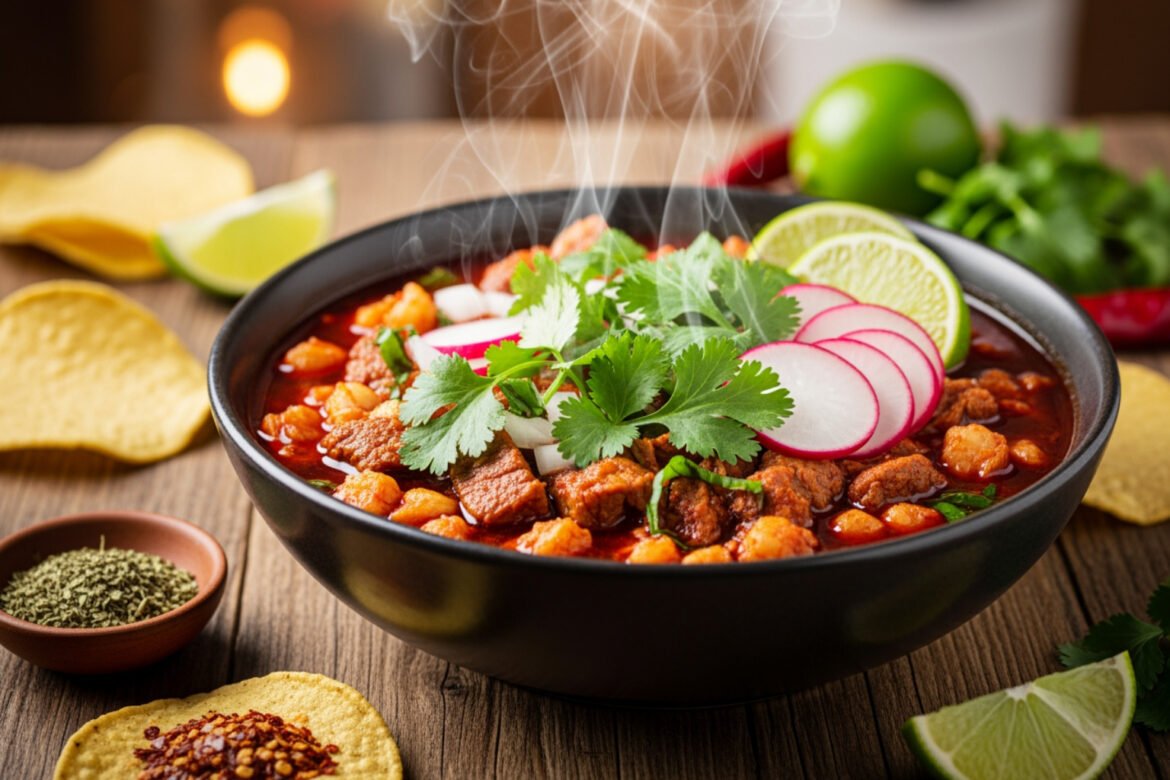
Why Pozole Deserves a Spot on Your Weeknight Menu
Pozole is a traditional Mexican soup or stew made from hominy (hulled corn kernels) with meat—typically pork or chicken—simmered in a flavorful broth and topped with fresh garnishes. It’s both a day-to-day meal and a celebratory dish across Mexico, served at holidays like New Year’s Eve, Mexican Independence Day, and Christmas.
Quick Facts About Pozole:
- Main ingredient: Hominy (nixtamalized corn)
- Common proteins: Pork shoulder, chicken, or vegetarian alternatives
- Three main types: Rojo (red), Verde (green), Blanco (white)
- Traditional cooking time: 3-4 hours
- Our quick version: Under 1 hour
This hearty stew has roots stretching back to pre-Columbian Mesoamerica, where it was an Aztec favorite. Today, it’s enjoyed everywhere from Mexico City’s pozolerías (restaurants specializing in pozole) to New Mexican pueblos to Brooklyn’s own vibrant food scene.
The beauty of pozole lies in its customization. As one food writer notes about the dish, “Everyone makes it their own by sprinkling on their favorite crunchy, fresh and aromatic toppings before digging into this steamy bowl of yumminess.” The base stew is just the beginning—shredded cabbage, sliced radishes, lime wedges, cilantro, and avocado transform each bowl into a personal creation.
While traditional recipes simmer pork shoulder for hours, our streamlined approach uses smart shortcuts like canned hominy and pre-cooked proteins. You’ll still get that rich, satisfying flavor and the fun of building your perfect bowl—just without the all-day commitment.
The Core Components: Ingredients for Fast Pozole
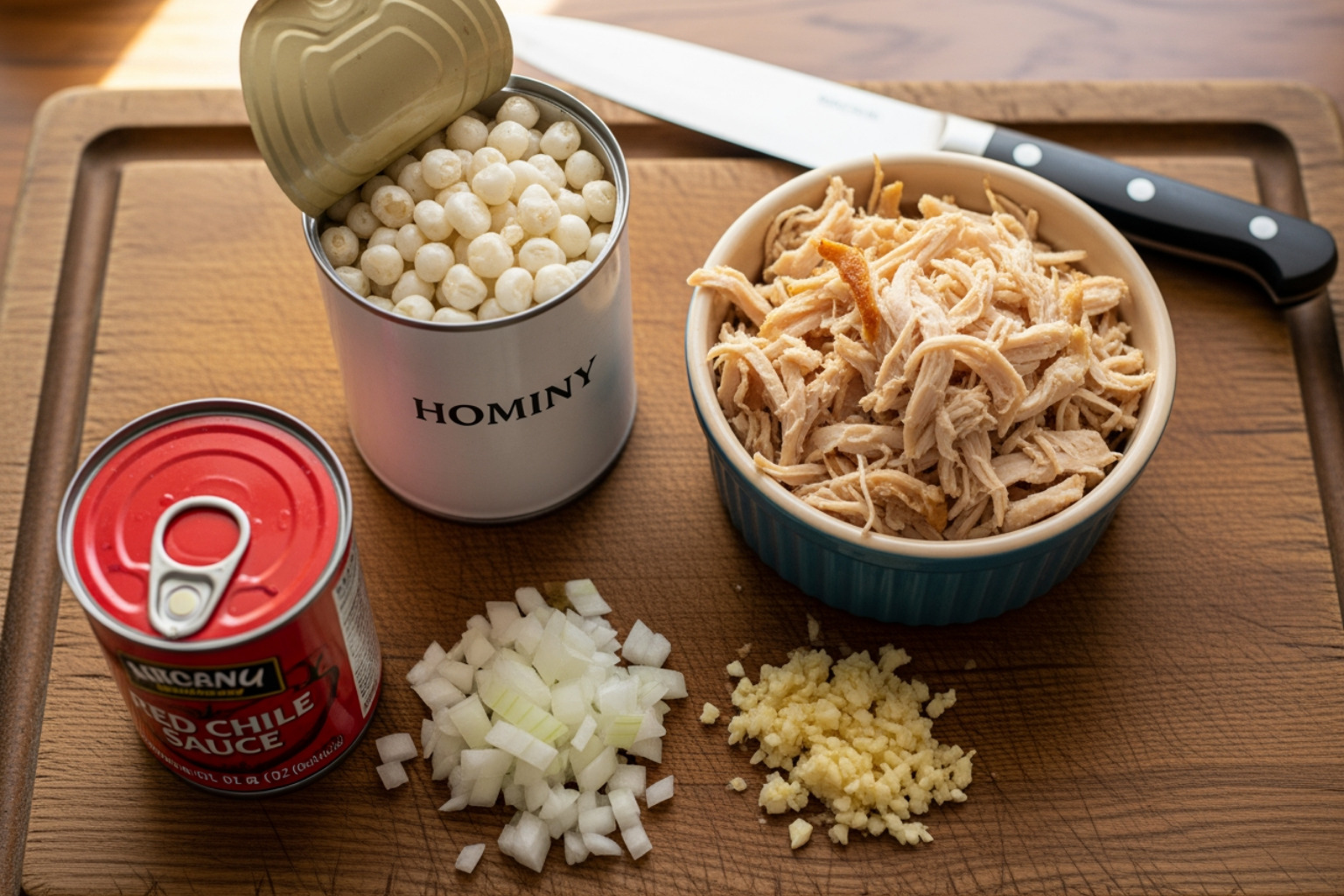
To whip up a delicious pozole in under an hour, we’re going to focus on key ingredients that deliver maximum flavor with minimal fuss. Think of these as the building blocks for your speedy stew. The main ingredients for our quick pozole will include hominy, a choice of protein (or a hearty vegetable alternative), a flavorful chile base, and essential aromatics like onion, garlic, and Mexican oregano.
What is Hominy and Why is it Essential?
At the heart of every great pozole is hominy. These aren’t just regular corn kernels; they’re hulled corn kernels that have undergone a special process called nixtamalization. This ancient Mesoamerican technique involves soaking and cooking dried corn in an alkaline solution (like food-grade lye or slaked lime). This process removes the hull and germ, causing the kernels to plump up beautifully. More importantly, nixtamalization open ups the corn’s nutrients, makes it easier to digest, and gives hominy its signature earthy flavor and wonderfully chewy texture. It’s truly the backbone of pozole!
While traditional recipes often call for dried hominy, which delivers a superior texture and aroma after hours of cooking, we’re all about speed here in Brooklyn. For our quick pozole, canned hominy is our secret weapon. It’s readily available in the international aisle of most grocery stores, including many of our local markets across Manhattan and Brooklyn.
Now, some might say canned hominy can taste a bit “canned” or have a mushy texture. But we have a trick to lift it! Drain and rinse your canned hominy thoroughly under cold running water until it’s no longer slimy. Then, pat it dry and, if you have an extra 12-18 minutes, roast it in a preheated oven at 425°F until it’s lightly toasted and fragrant. This simple step removes any metallic taste and improves its natural corn flavor, bringing it closer to the depth of dried hominy.
Choosing Your Protein (or a Veggie Alternative)
Traditionally, pozole features tender pork shoulder, slow-cooked until it’s fall-apart delicious. However, for an under-an-hour version, we need a shortcut.
- Pre-cooked Pork: If you’ve got leftover roasted pork shoulder or even some pulled pork from a local eatery, you’re ahead of the game. Just shred it and you’re good to go.
- Rotisserie Chicken: This is our go-to for speed. A store-bought rotisserie chicken, shredded, provides tender meat with minimal effort. It’s a fantastic way to get that hearty, satisfying protein without the long cook times.
- Vegetarian Pozole: Yes, absolutely! Pozole can be easily made vegetarian or even vegan. Instead of meat, we can use hearty vegetables or plant-based proteins. Think meaty mushrooms (like oyster or cremini), jackfruit, or a combination of beans (pinto, black beans) and corn. These will add substance and absorb the rich flavors of the broth. For a truly vegetarian version, make sure to use vegetable broth.
When selecting our ingredients, we also consider the chile base. For a red pozole (rojo), we’ll primarily use dried guajillo and ancho chiles for their complex, fruity, and smoky flavors. However, for a truly rapid recipe, a high-quality canned red chile sauce can be a lifesaver, cutting out the soaking, blending, and straining steps. Don’t forget our aromatic staples: onion, garlic, and dried Mexican oregano. Mexican oregano has a brighter, more citrusy, and stronger aroma compared to its Mediterranean cousin, and it truly shines in this dish.
How to Make Delicious Pozole in Under an Hour
Our goal is a flavorful, comforting bowl of pozole without the hours of simmering. We’re talking about a rich, satisfying meal that’s perfect for a chilly evening in Brooklyn, ready before you can finish binge-watching an episode of your favorite show.
Here’s a quick overview of the essential kitchen tools you’ll need:
- A large pot or Dutch oven (a good quality one will distribute heat evenly)
- A sharp knife and cutting board for your aromatics
- A blender (if you opt for making your chile sauce from dried chiles)
- A fine-mesh strainer (again, if making chile sauce from scratch)
Step 1: Build Your Flavor Base
Even in a quick recipe, flavor development is key. We start by building a robust aromatic base.
- Sauté Onion and Garlic: In your large pot or Dutch oven, heat a tablespoon of oil over medium heat. Add one chopped yellow onion and cook until softened and translucent, about 5-7 minutes. Then, add 4-6 cloves of minced garlic and cook for another minute until fragrant, being careful not to burn it. (Raw garlic blended can be pungent, so sautéing first is best!)
- Brown the Meat (Optional but Recommended): If you’re using raw, quick-cooking proteins like chicken breast or thighs, you can briefly sear them in the pot after the onions and garlic are done. This adds a layer of depth through browning. If you’re using pre-cooked protein (like rotisserie chicken or pre-cooked pork), you’ll add it later. For vegetarian versions, this is where you might quickly sauté your mushrooms or other hearty vegetables to develop flavor.
- Bloom the Spices: Stir in about 1 tablespoon of dried Mexican oregano and ½ teaspoon of ground cumin (if using—some traditionalists argue against cumin in pozole, but we find it adds a lovely warmth, especially in a faster version). Toasting these spices for about 30 seconds with the aromatics releases their full aroma and flavor.
Step 2: Create the Quick Pozole Broth
Now for the heart of our quick pozole: the broth! This is where we truly save time.
- Add Chile Sauce: For the fastest red pozole (rojo), we recommend using a 28-ounce can of good quality red chile sauce (not enchilada sauce, as that has a different flavor profile). This bypasses the lengthy process of rehydrating and blending dried chiles. If you prefer to use dried chiles, you’d typically rehydrate guajillo and ancho chiles in boiling water, then blend them with some of the soaking liquid, garlic, and Mexican oregano. Then, you’d strain this mixture into your pot to ensure a smooth broth. But for under an hour, canned sauce is our friend!
- Pour in Chicken or Vegetable Broth: Add about 4-6 cups of chicken broth (or vegetable broth for a vegetarian version) to the pot. Chicken broth is generally preferred over beef broth as it’s milder and improves, rather than overpowers, the other flavors. If you like, you can also add a tablespoon or two of Better Than Bouillon chicken flavor or chicken bouillon granules for extra richness.
- Stir in Canned Hominy: Add your drained and rinsed (and optionally toasted) canned hominy. We’re looking for two 25-ounce cans of white hominy for this recipe. If you’re making a verde (green) pozole, you’d add a salsa verde base here, made from tomatillos and green chiles.
Step 3: Simmer and Serve Your Homemade Pozole
We’re almost there! The final step is to bring it all together.
- Short Simmer Time: Bring the mixture to a gentle boil, then reduce the heat to low, cover, and let it simmer for about 20-30 minutes. This short simmer time allows all the flavors to meld beautifully. If you’re using pre-cooked protein, add it now so it can warm through and absorb the broth’s goodness.
- Season with Salt: Taste the pozole and adjust seasonings as needed. You’ll likely need to add kosher salt and freshly ground black pepper to taste. Some recipes also call for a teaspoon of white vinegar at the end to brighten the flavors, though many authentic Mexican recipes omit it.
- Ladle into Bowls: Once the flavors are harmonious and everything is heated through, ladle your steaming, hearty pozole into individual bowls. The real magic happens next with the toppings!
Our quick pozole is a testament to the fact that you don’t need to spend all day in the kitchen to enjoy a deeply satisfying, traditionally inspired meal. It’s perfect for a weeknight dinner, especially when you’re craving something warm and comforting.
Customize Your Bowl: Pozole Variations and Toppings
One of the most delightful aspects of pozole is the opportunity for customization. Think of it as a build-your-own-bowl experience, where each diner gets to tailor their perfect spoonful. This is where we accept the vibrant colors and textures that make pozole so visually appealing and delicious.
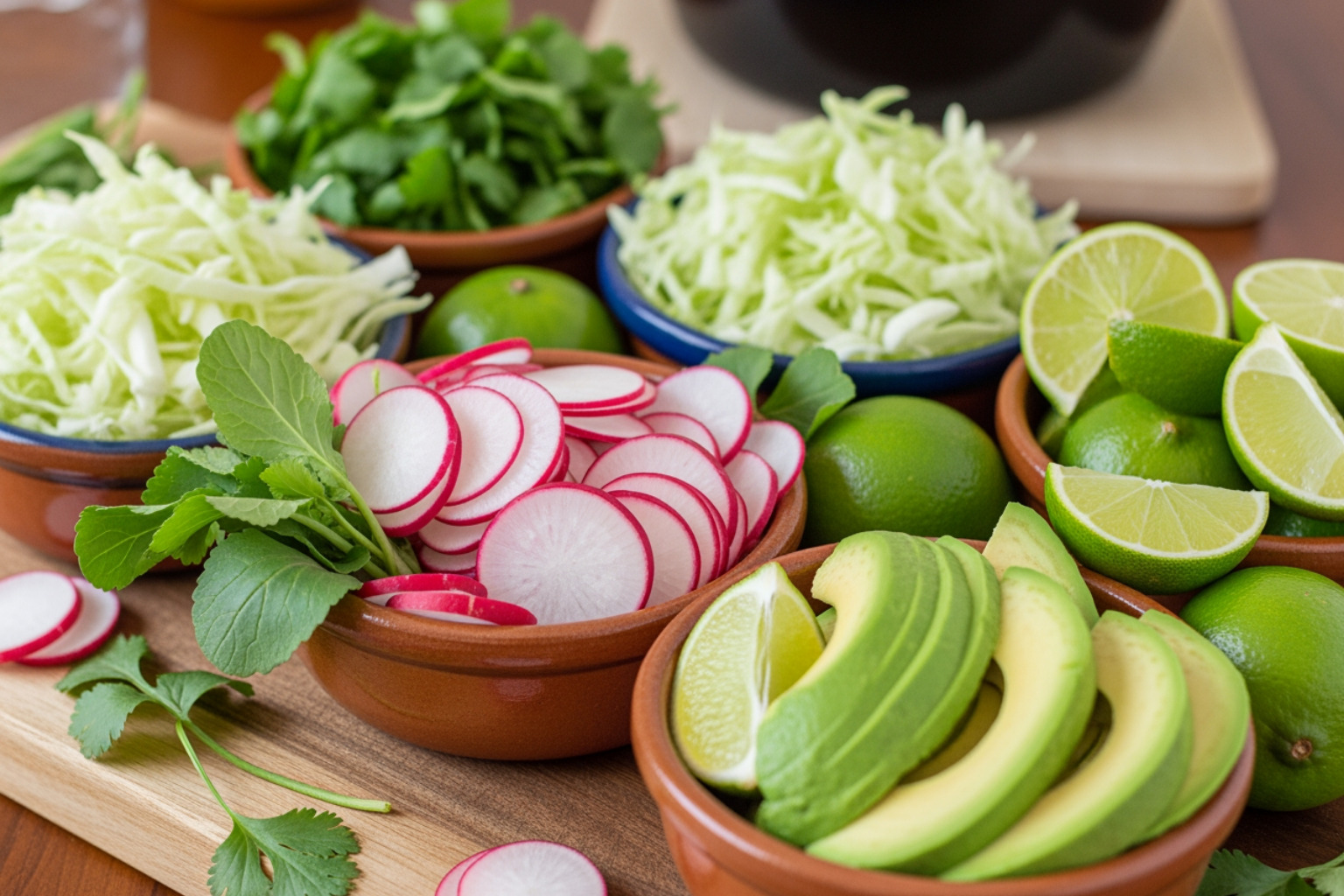
The array of garnishes for pozole is so extensive, it’s often compared to Korean banchan—a collection of small side dishes that accompany a main meal. These toppings aren’t just for show; they add crucial texture, freshness, acidity, and a delightful counterpoint to the rich, warm stew.
Here’s a list of classic pozole toppings that you can find in any good market in New York:
- Shredded Cabbage or Lettuce: Provides a fresh, crisp crunch. Shredded iceberg or romaine lettuce works wonderfully, as does thinly sliced green cabbage. For a tip, you can toss shredded cabbage in a little lime juice to prevent browning.
- Sliced Radishes: Adds a peppery bite and beautiful color.
- Diced Onion: Finely diced white or yellow onion for a pungent kick.
- Cilantro: Freshly chopped cilantro for a burst of herbaceousness.
- Lime Wedges: Essential for adding bright, zesty acidity that cuts through the richness of the broth. Always opt for lime over lemon, as it’s traditional and makes a noticeable difference.
- Avocado: Sliced or diced, it adds a creamy, rich element.
- Crumbled Cotija Cheese: A salty, crumbly Mexican cheese that adds a savory depth.
- Tostadas or Fried Tortilla Strips: For an extra layer of crunch.
- Chicharrones: Crispy fried pork rinds, for an indulgent, savory crunch.
- Dried Mexican Oregano: Often served on the side for an extra aromatic sprinkle.
- Crushed Chile de Árbol: For those who like an extra kick of heat.
The Three Colors of Pozole: Rojo, Verde, and Blanco
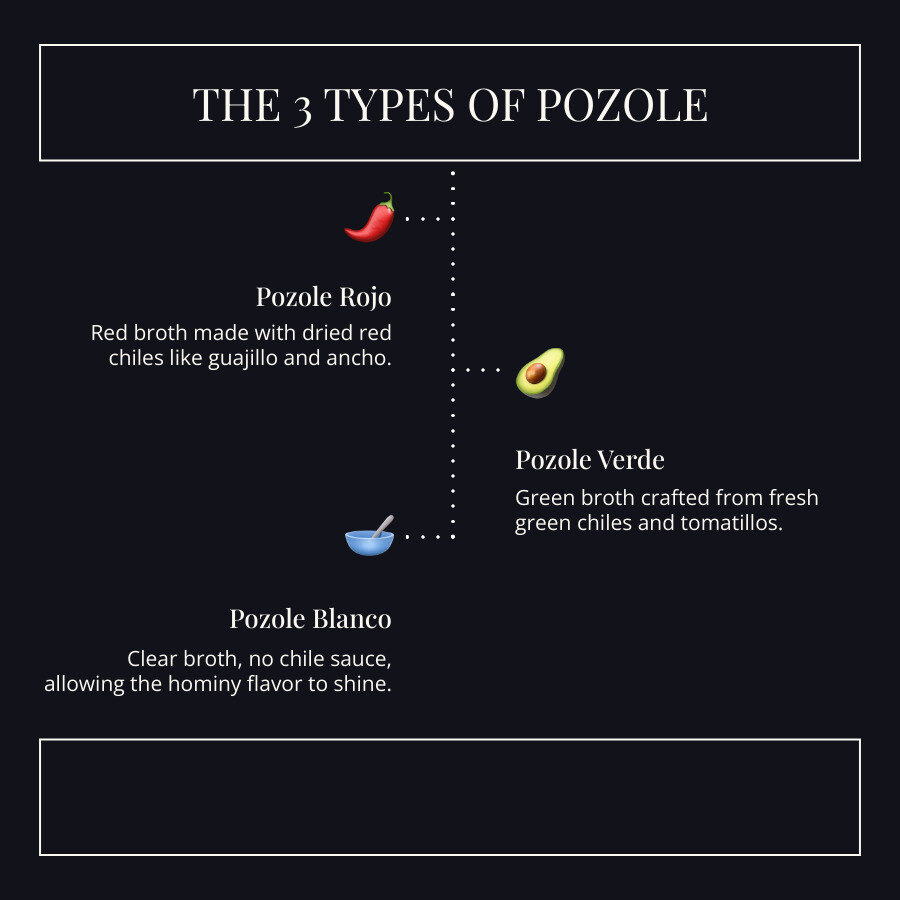
While our recipe focuses on a quick red pozole, it’s worth knowing about its vibrant cousins. The three main types of pozole are often said to represent the colors of the Mexican flag: green for hope, white for purity, and red for the blood of those who fought for independence.
- Pozole Rojo (Red Pozole): This is perhaps the most well-known. It gets its deep red hue and smoky, fruity flavor from dried red chiles like guajillo, ancho, and sometimes a touch of chile de árbol for heat. The chiles are rehydrated, blended, and often strained to create a smooth, rich sauce that forms the base of the broth. Our quick version uses canned red chile sauce for this effect.
- Pozole Verde (Green Pozole): This bright and tangy version gets its color from a vibrant salsa verde base. Key ingredients often include fresh green chiles (like serrano or jalapeño), tomatillos, cilantro, and epazote. The flavors are typically lighter and more herbaceous than pozole rojo.
- Pozole Blanco (White Pozole): This is the simplest and purest form, with no chiles added to the broth. The focus is entirely on the rich, savory broth, the tender meat, and the fluffy hominy. Its beauty lies in its simplicity, allowing the fresh garnishes to shine even more brightly.
The Art of the Garnish
The array of toppings is not just an afterthought; it’s an integral part of the pozole experience. They provide:
- Balancing Richness: The fresh, crisp vegetables and bright lime cut through the richness of the stew.
- Adding Crunch: Cabbage, radishes, and tostadas provide a delightful textural contrast to the soft hominy and tender meat.
- Freshness: Cilantro, onion, and lime add vibrant, fresh flavors that awaken the palate.
- Acidity: Lime is non-negotiable! Its tartness brightens every spoonful.
- Customization: This is where you truly make the dish your own. We encourage you to set out a “garnish bar” so everyone can create their perfect bowl.
So next time you’re enjoying a bowl, whether at home in New Paltz or a fantastic Mexican spot in Manhattan, the toppings are just as important as the stew itself.
From Ancient Ritual to Modern Table: The Story of Pozole
The story of pozole is as rich and complex as its flavors, stretching back centuries to the heart of Mesoamerica. Its origins are deeply intertwined with the cultural and religious practices of pre-Columbian civilizations, particularly the Aztecs.
The word “pozole” itself is thought to derive from the Nahuatl word “pozolli,” meaning “hominy.” The dish was mentioned in the 16th-century Florentine Codex by Bernardino de Sahagún, one of the earliest ethnographic research projects on Mesoamerica. This historical account, along with archaeological evidence, suggests that the earliest forms of pozole held significant ritualistic importance. Some historical accounts and archaeological evidence suggest that in pre-Columbian Aztec rituals, the meat used in pozole might have included human flesh, though its social and dietary significance is debated among scholars. This practice, if it occurred, was likely tied to ceremonial sacrifices rather than daily sustenance.
After the Spanish conquest, the ritualistic use of human flesh ceased, and pork became the predominant meat used in pozole, symbolizing a shift and adaptation of the dish within the new cultural landscape. Over centuries, pozole evolved, spreading across Mexico and becoming a staple in various regional cuisines.
Today, pozole is far from its ancient, ritualistic roots. It’s a cherished dish, celebrated for its comforting warmth and communal spirit. It’s common across Mexico and neighboring countries, served both as a day-to-day meal and as a festive dish. It’s frequently enjoyed during significant occasions such as Mexican Independence Day, birthdays, Christmas, and New Year’s Eve. Its popularity extends to Hispanic communities outside Mexico, including our own vibrant neighborhoods in New York. While we might not have pozolerías on every corner like Mexico City, many fantastic Mexican restaurants in Brooklyn and Manhattan proudly serve their authentic versions of this beloved stew. It’s a testament to how food traditions adapt and thrive, bringing history and flavor to our modern tables.
Frequently Asked Questions about Making Pozole
We hear a lot of questions about making pozole at home, especially when trying to speed up the process. Here are some of the most common ones we encounter:
Can I make pozole vegetarian or vegan?
Absolutely! Pozole is wonderfully adaptable for vegetarian and vegan diets. The key is to swap out the meat and ensure your broth is plant-based.
- Use Vegetable Broth: This is an easy substitute for chicken or pork broth.
- Substitute Meat: Instead of pork or chicken, you can use a variety of hearty ingredients. Sautéed mushrooms (cremini, oyster, or shiitake) add a fantastic umami depth and meaty texture. Jackfruit, when shredded, can mimic the texture of pulled pork. Various beans (pinto, black beans) and extra corn can also make the stew more substantial.
- Vegan Versions: For a fully vegan pozole, ensure all your toppings are plant-based. Skip the queso fresco and crema, and load up on avocado, extra radishes, and plenty of lime and cilantro. The resulting stew is still incredibly flavorful and satisfying.
How do I store and reheat leftover pozole?
Pozole often tastes even better the next day as the flavors have more time to meld. It stores very well, making it an excellent meal prep option.
- Refrigeration: Once cooled, store your pozole in an airtight container in the refrigerator for up to 4-5 days.
- Freezing: Pozole freezes beautifully! Just be sure to remove any fresh garnishes before freezing, as they won’t hold up well. Cool the stew completely, then transfer it to freezer-safe containers or bags. It can be frozen for up to 3 months. Thaw overnight in the refrigerator before reheating.
- Reheating: Reheat pozole on the stovetop over medium heat. You might notice that the hominy has absorbed some of the liquid during storage, making the stew thicker. Simply add a splash of extra broth (chicken or vegetable) or water to reach your desired consistency.
What’s the difference between pozole and posole?
You might see the dish spelled both ways, and it primarily comes down to regional variations in spelling and pronunciation, rather than a fundamentally different dish.
- “Pozole” is the more common spelling throughout Mexico and is derived from the Nahuatl word “pozolli.”
- “Posole” is often used in the Southwestern United States, particularly in New Mexico, where it’s a staple in Puebloan Indigenous communities. New Mexican “posole” often emphasizes the use of specific dried field corn kernels, which are prepared from scratch and are known for their slightly chewier texture compared to canned hominy.
Whether spelled “pozole” or “posole,” we’re talking about the same beloved hominy-based stew. The core components and the joy it brings remain the same, no matter where you enjoy it.
Conclusion: Your New Favorite Weeknight Stew
We hope this guide has shown you that a rich, hearty, and authentic-tasting bowl of pozole isn’t just for special occasions or all-day cooking. With smart shortcuts and a focus on essential flavors, you can bring this Mexican classic to your table in less than an hour.
From the earthy comfort of hominy to the vibrant kick of the chile broth and the endless possibilities of fresh, crunchy toppings, pozole is a truly rewarding dish to prepare and share. It’s perfect for warming up during a chilly New York evening or gathering loved ones around the table. So grab your ingredients, set out your favorite garnishes, and get ready to enjoy your new favorite weeknight stew.
Looking for more culinary adventures? Explore more of Brooklyn’s vibrant restaurant scene to find other delicious dishes and local food experiences.
