


Why Finding Dinner Ideas Doesn’t Have to Be Your Daily Struggle
If you’ve ever stood in your kitchen at 5 p.m. thinking “I have no idea what to make for dinner,” you’re not alone. Dinner ideas seem to vanish the moment you need them most, leaving you staring blankly into the fridge or defaulting to the same three meals on repeat.
Quick answer: The smartest ways to find dinner ideas include:
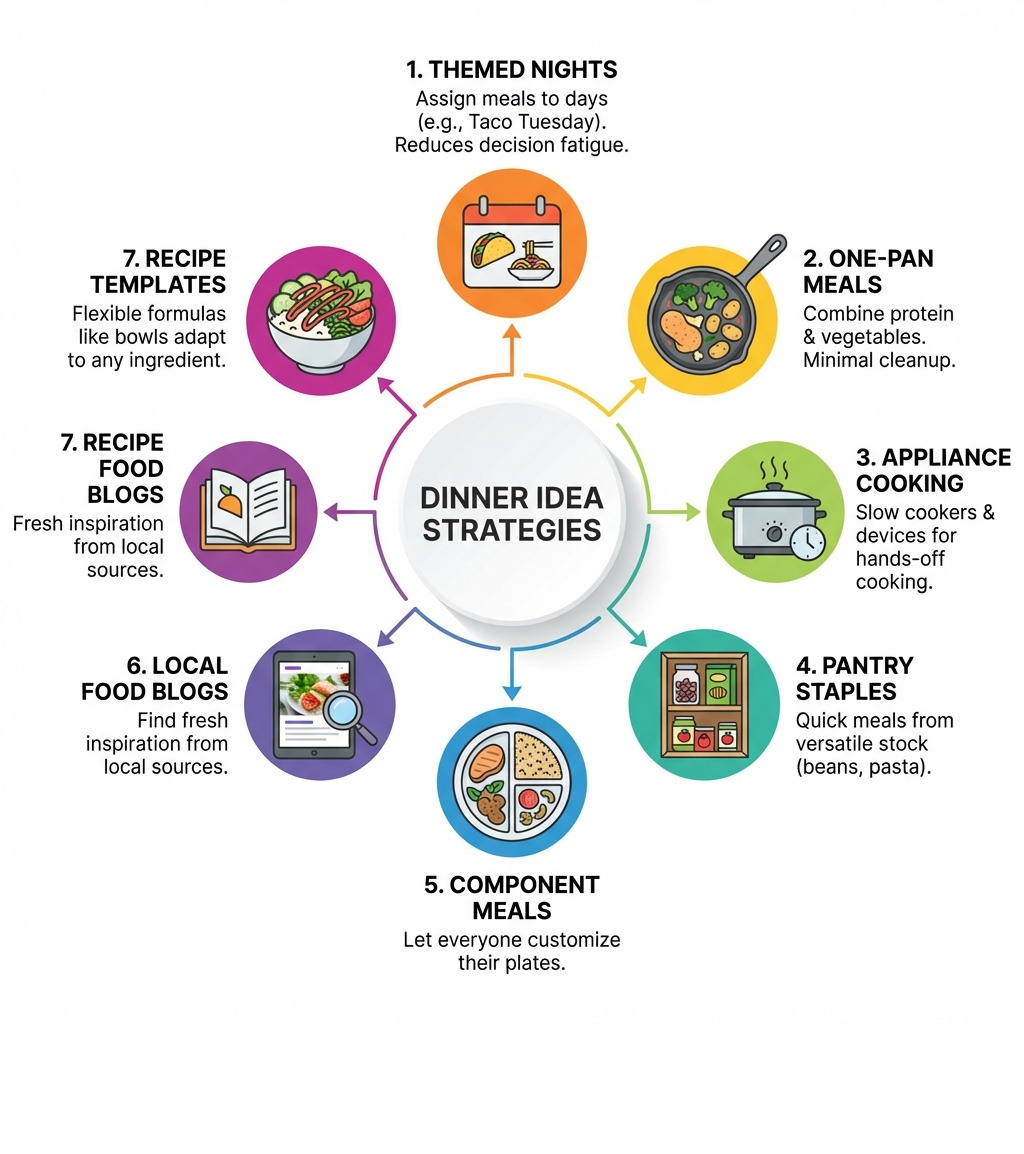
- Themed nights – Assign meals to days (Taco Tuesday, Pasta Thursday) to eliminate daily decisions
- One-pan meals – Sheet pan dinners and skillet recipes minimize both prep and cleanup
- Appliance cooking – Let slow cookers and Instant Pots do the work while you focus elsewhere
- Pantry staples – Stock versatile ingredients that combine into quick meals
- Component meals – Build deconstructed dishes that please everyone at the table
- Local inspiration – Follow food blogs and newsletters like Edible Brooklyn for fresh ideas
- Recipe templates – Master flexible formulas (bowls, stir-fries) you can adapt endlessly
The statistics tell the real story. 40% of Americans say they struggle to come up with new dinner ideas, even though 70% cook at home on weekdays. The average person spends 37 minutes preparing dinner each night, but much of that mental energy gets wasted on the decision rather than the cooking.
This isn’t about lacking culinary skills. It’s about decision fatigue—that exhausted feeling when you’ve made too many choices throughout the day. By the time evening rolls around, even simple questions like “chicken or pasta?” feel overwhelming.
The good news? You don’t need more recipes. You need systems that make dinner decisions automatic. The seven strategies below will help you build those systems using local ingredients, practical shortcuts, and adaptable templates that work with what you already have.
1. Accept Themed Nights to Eliminate Decisions
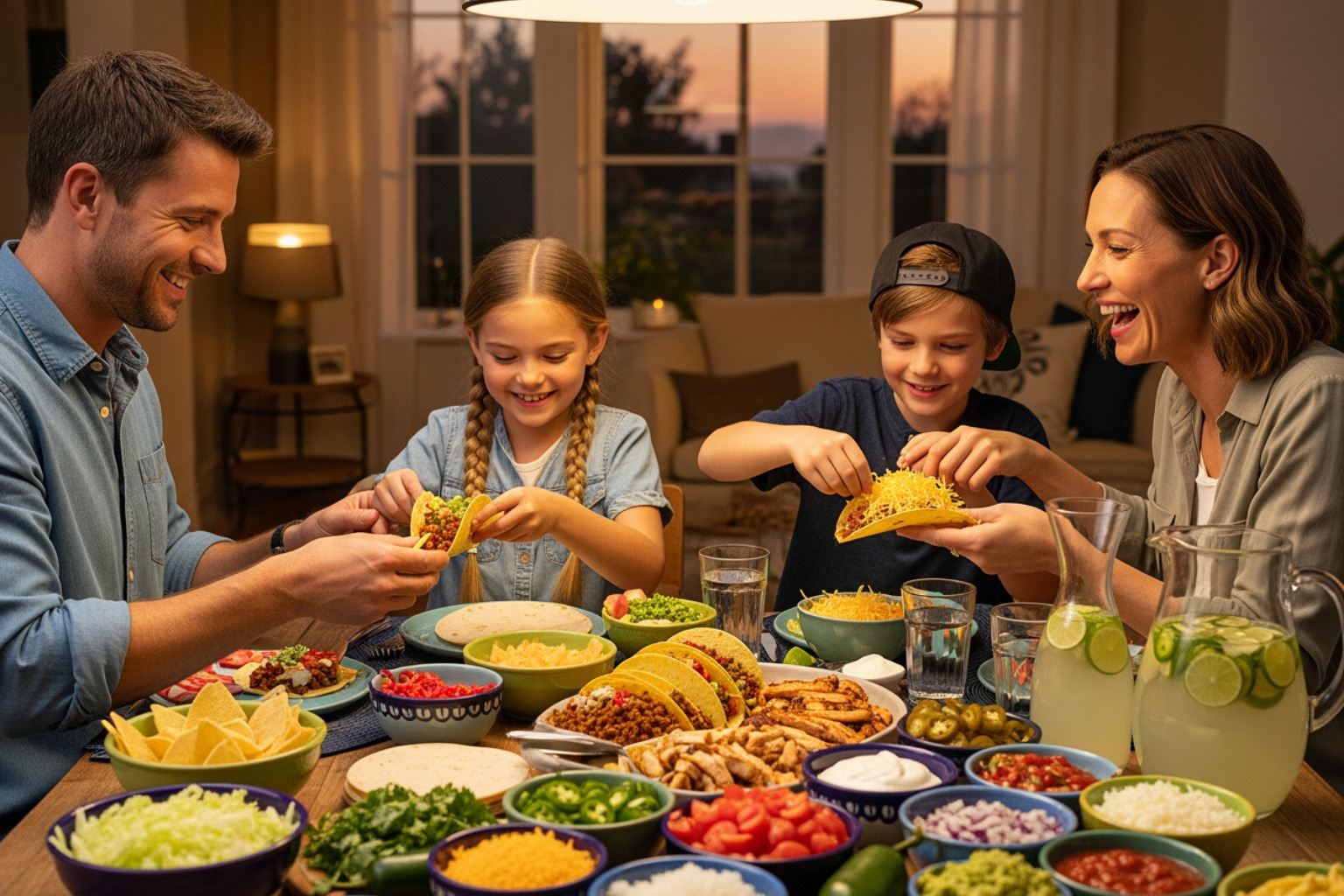
One of the simplest yet most effective strategies for conquering weeknight dinner dilemmas is to accept themed nights. This isn’t just a fun concept for kids; it’s a powerful tool to reduce mental load and create a predictable routine. When you know Tuesday is “Taco Tuesday” or Thursday is “Pasta Night,” half the battle of deciding what to cook is already won.
The popularity of this approach isn’t surprising, especially when we consider that the most popular weeknight dinners include pasta, tacos, and chicken. These are comfort foods, often quick to prepare, and highly adaptable. By assigning a theme to each night, you narrow down your options significantly, making the actual recipe selection much easier.
Imagine the relief of not having to brainstorm entirely new dinner ideas each evening. Instead, you’re simply choosing a variation within a pre-established category. This creates a rhythm in your kitchen that feels less like a chore and more like a comforting tradition. From busy Brooklyn kitchens to quiet New Paltz homes, themed nights can bring order to the chaos of weeknight meals. For more inspiration on local culinary traditions that can spark your themed nights, check out Edible Brooklyn’s local culinary insights.
Make it Your Own
The beauty of themed nights is their flexibility. You’re not confined to the usual suspects. While “Taco Tuesday” is a classic, you can expand your repertoire to truly reflect your family’s preferences and what’s available from local purveyors.
Consider “Breakfast for Dinner” night, often affectionately called “Brinner.” Who doesn’t love fluffy pancakes or a hearty omelet to shake up the week? Recipes like simple banana pancakes can be a delightful and quick option. Or, accept the cozy comfort of a “Soup and Sandwich” night. We’ve found that soups like a hearty hamburger soup, a lemony white bean soup, or even the historic Senate Bean Soup (a staple in the Senate Dining Room for over 100 years, now often made in a slow cooker) can be incredibly satisfying and easy to prepare.
For those in areas like Brooklyn with rich culinary diversity, “Dumpling Night” can be an exciting theme. Whether you’re making them from scratch or picking up some fresh ones from a local market, dumplings offer endless possibilities. We’ve even explored local events like Dumplings 101: Soup Dumplings, Dim Sum Favorites, and various Wontons & Dumplings workshops, showing just how much inspiration you can draw from our vibrant local food scene. Building a weekly rhythm around these themes not only simplifies meal planning but also allows you to explore new flavors and traditions.
2. Master One-Pan Meals for Effortless Cooking and Cleanup
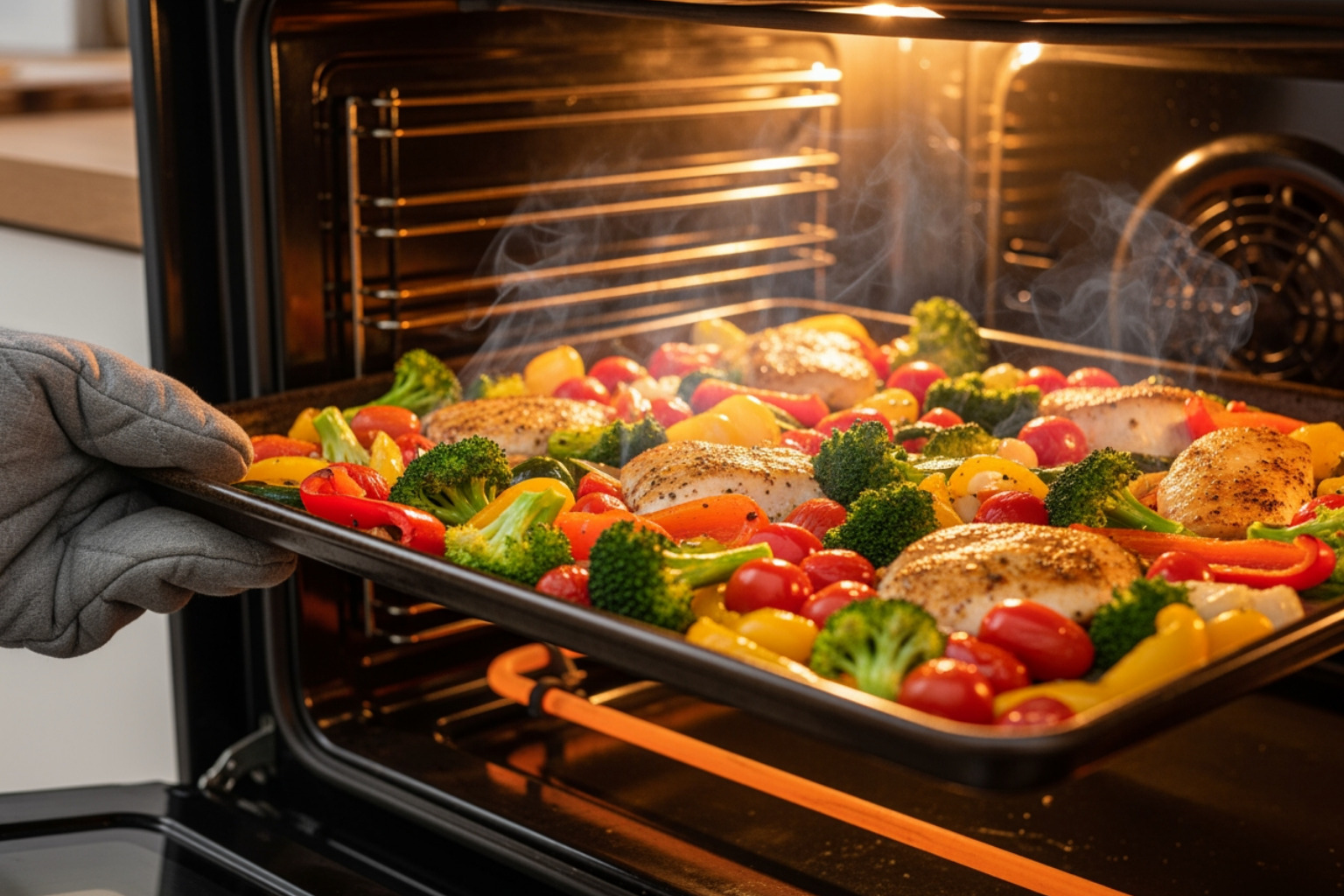
When the thought of a sink full of dishes looms larger than the appetite for dinner, one-pan meals come to the rescue. These culinary heroes are designed for minimal effort both during cooking and, crucially, during cleanup. It’s no wonder that sheet pan dinners are a popular choice for weeknight meals due to their ease of cleanup. We often say, “a sheet pan dinner is a happy dinner!”
The concept is simple: combine your protein, vegetables, and sometimes even a starch all on a single baking sheet, in one skillet, or within a single Dutch oven. Roasting everything together not only saves on washing up but also allows flavors to meld beautifully, creating deeply satisfying dinner ideas with minimal fuss. Think of vibrant vegetables and seasoned meats caramelizing together in the oven, creating a symphony of tastes. For a deeper dive into making these easy meals, explore Edible Brooklyn’s Favorite Sheet Pan Dinners.
A prime example of this efficiency is a dish like One-Pan Pork Tenderloin With Mushrooms, where everything cooks in harmony, leaving you with a delicious meal and just one pan to wash. This approach transforms weeknight cooking from a daunting task into a simple pleasure.
Skillet Sensations
Beyond the classic sheet pan, the trusty skillet opens up a world of “one-pan” possibilities, particularly for dishes that benefit from searing. Skillet meals often involve a “stovetop to oven” approach, where you start by browning ingredients on the stovetop to develop rich flavors, then transfer the entire pan to the oven to finish cooking. This technique is fantastic for achieving crispy textures and tender interiors.
Consider a recipe like Herby Skillet Chicken With Greens, where chicken thighs are seared to a golden crisp before roasting with herbs and greens. The pan drippings then form the base for a delicious sauce, often finished with butter and lemon zest, making for incredibly flavorful dinner ideas. Similarly, skillet mustard chicken with spinach and carrots uses this method, with mustard-coated chicken thighs nestled on a bed of sautéed vegetables and then roasted. The greens are added at the end, wilting into the flavorful pan juices.
These skillet sensations are not just about convenience; they’re about maximizing flavor with minimal effort. Using a good quality, versatile skillet can truly lift your weeknight cooking. For more inspiration on quick and satisfying skillet-based dinner ideas, you can always find great options within our own collections at Edible Brooklyn.
3. Let Your Appliances Do the Heavy Lifting
In the quest for effortless dinner ideas, modern kitchen appliances are our best friends. They embody the “set it and forget it” philosophy, allowing us to prepare delicious meals with minimal active cooking time. It’s a well-known fact that slow cooker and Instant Pot recipes are favored for their hands-off cooking approach, making them indispensable tools for busy individuals and families in Brooklyn and beyond.
The beauty of these appliances lies in their ability to transform simple ingredients into complex, flavorful dishes while you’re busy with other things. Whether you’re at work, helping with homework, or simply unwinding, your slow cooker or Instant Pot can be simmering away, preparing a warm and comforting meal. This hands-off method is a game-changer for weeknight dinners, freeing up precious time and mental energy.
Many recipes are designed as “dump and go,” requiring little more than tossing ingredients into the pot, setting the timer, and walking away. This simplicity makes them perfect for those evenings when you need a hearty meal without the stress of constant attention to the stove.
The “Set It and Forget It” Approach
The “set it and forget it” approach epitomizes lazy-day cooking. Slow cookers, in particular, excel at tenderizing tougher cuts of meat and developing deep, rich flavors over several hours. This makes them ideal for hearty stews, pulled meats, and classic bean soups.
Think of a slow-cooker jalapeño pulled pork, a creamy lemon herb chicken, or even the historical Senate Bean Soup, which has been a menu item at the Senate Dining Room for over a century. These dishes require minimal initial prep but deliver maximum flavor. Similarly, electric pressure cookers like the Instant Pot offer a faster, pressure-cooked version of this hands-off magic.
From slow-cooker Korean beef to white chicken chili, these appliances handle the long cooking times, breaking down ingredients and infusing them with flavor. This allows you to focus on other tasks, knowing that a delicious and nourishing meal is being prepared without your constant supervision. For more inspiration on maximizing these tools, explore Edible Brooklyn’s Guide to Slow Cooking and our local events like One Pot Wonders that celebrate this convenient cooking style.
4. Stock a “Speed-Scratch” Pantry for Last-Minute Magic
One of the greatest secrets to quick and easy dinner ideas is a well-stocked “speed-scratch” pantry. This isn’t about having every exotic ingredient imaginable, but rather a curated collection of versatile staples that can be combined in countless ways to create satisfying meals in a flash. For many families, budget-friendly meals are a priority during the week, and building a smart pantry is key to achieving this without sacrificing flavor or nutrition.
Having these essentials on hand means you’re rarely more than a few steps away from a delicious meal, even when motivation is low or time is short. We’ve learned that utilizing ingredients like canned beans, pasta, and even frozen vegetables is a practical and cost-effective approach to family dinners. These ingredients are not only affordable but also incredibly flexible, allowing for endless customization.
For instance, a simple pasta dish can be liftd with canned tomatoes, some Italian sausage, and broccoli. Or, canned chickpeas can form the base of a hearty vegetarian curry. Even a rotisserie chicken can be a starting point for multiple meals throughout the week. Supporting local initiatives like The Central Brooklyn Food Co-op Enacts Cooperative Economics in Bed-Stuy can also help you find high-quality, budget-friendly staples.
Key ingredients for quick dinner ideas
To build a truly effective speed-scratch pantry, focus on these versatile powerhouses:
- Onions and Garlic: The aromatic foundation for almost any savory dish. They add depth and flavor to everything from stir-fries to pasta sauces.
- Canned Tomatoes: Diced, crushed, or pureed, canned tomatoes are essential for quick sauces, soups, and stews.
- Lemons and Limes: Fresh citrus provides brightness and acidity, waking up flavors in dressings, marinades, and finished dishes.
- Olive Oil and Vinegar: The backbone of countless dressings, marinades, and sautéed dishes.
- Dried Herbs and Spices: A well-stocked spice rack can transform simple ingredients. Think dried oregano, basil, thyme, cumin, and red pepper flakes.
- Canned Beans (chickpeas, black beans, cannellini): A quick source of protein and fiber for salads, soups, and vegetarian mains like crispy bean cakes or Adasi (Persian lentil soup).
- Pasta: A classic quick meal starter. From rigatoni for sausage and peppers pasta to ramen noodles for miso peanut ramen bowls, pasta is always a winner.
- Grains (rice, quinoa): Perfect bases for bowls and stir-fries. An Instant Pot can make perfect rice in minutes.
- Frozen Vegetables (peas, corn, spinach, broccoli): Nutrient-packed and ready to use, they eliminate chopping time and reduce waste.
- Eggs: The ultimate quick protein for scrambles, frittatas, or adding to fried rice.
- Versatile Sauces (soy sauce, hot sauce, salsa, curry paste): These flavor bombs can instantly transform bland ingredients into exciting meals. Salsa chicken is a prime example, requiring just 10-15 minutes of prep for a delicious meal.
By keeping these items on hand, you’ll always have the building blocks for countless dinner ideas, even when you feel like you have “nothing in the house to prepare.” Even simple additions can make a huge difference, like the fresh herbs and quality olive oil in our Recipe: 3 Easy Winter Salads (Raw & Roasted).
5. Think in “Components” to Please Picky Eaters
Feeding a family is no joke, especially when you have diverse preferences at the table. One child might despise raw tomatoes, another might refuse anything green, and a third might only eat chicken in nugget form. This is where the strategy of thinking in “components” truly shines. The core insight here is that instead of trying to please every picky eater with a single dish, focus on recipes that are easily adapted or deconstructed.
This approach empowers each eater to build their own plate, catering to individual tastes and dietary preferences without requiring you to cook multiple meals. It significantly reduces mealtime stress, turning potential conflicts into creative culinary endeavors. We’ve found this to be a game-changer for many Brooklyn families.
Imagine a “taco bar” where you provide seasoned ground meat (or plant-based protein like seasoned black beans or tofu), tortillas, and a variety of toppings—lettuce, cheese, salsa, sour cream, avocado. Everyone chooses what they want, and suddenly, everyone is happy. Similarly, a “salad bar” or “pasta bar” offers the same customizable freedom. For example, a sausage and peppers pasta can be deconstructed, allowing individuals to choose their pasta, sausage, vegetables, and sauce components. Even a simple dish can be made vegetarian by swapping out meat for beans or tofu, or adapted for different protein sources based on what’s on sale or preferred. Events like A Saladish Dinner with Ilene Rosen often highlight this adaptable philosophy.
This method is particularly effective for adapting recipes. Take a dish like salsa chicken, which can be served bowl-style over rice with toppings, tucked into tacos, burritos, or quesadillas, or even rolled into a wrap. The base is the same, but the presentation and accompanying elements are flexible. This way, you’re not just finding dinner ideas; you’re finding adaptable solutions.
6. Find Endless Daily Dinner Ideas from Local Pros
Even with the best systems in place, sometimes the biggest hurdle to cooking dinner is simply a lack of motivation. When you’re feeling uninspired, the thought of scrolling through endless recipe sites can be just as exhausting as cooking itself. This is where tapping into curated sources, especially local ones, becomes invaluable. After all, 40% of Americans say they struggle to come up with new dinner ideas, and we believe that local inspiration can be a powerful antidote to this culinary rut.
Local food blogs, cooking newsletters, and community-focused media like Edible Brooklyn are treasure troves of fresh, relevant, and often seasonal dinner ideas. They speak to the unique culinary landscape of our neighborhoods, highlighting ingredients available at local farmers’ markets and showcasing the creativity of our chefs and home cooks. These sources not only provide recipes but also tell stories, making the act of cooking feel more connected and engaging.
We encourage you to use platforms like our own Edible Brooklyn’s Recipe Collection to browse and find dishes that resonate with your tastes and the season. Signing up for newsletters, such as Get regular updates from Edible Brooklyn, can deliver inspiration directly to your inbox, making it effortless to stumble upon your next favorite meal.
Curate Your Digital Cookbook
Once you start finding recipes that pique your interest, the next step is to organize them. This is where digital tools become incredibly powerful. Instead of bookmarking dozens of pages or printing out stacks of recipes, create a personal recipe bank.
Pinterest boards are fantastic for this; you can organize recipes by meal type, cuisine, or even themed nights. Instagram collections allow you to save visually appealing dishes for later. By actively saving and categorizing the dinner ideas that catch your eye, you’re essentially building your own personalized cookbook, custom to your preferences and available ingredients.
This digital cookbook becomes your go-to resource when motivation is low. Instead of starting from scratch, you can quickly browse your curated collection, find something appealing, and get cooking. It’s about making inspiration easily accessible and changing the overwhelming task of “what to cook?” into a simple act of selection. For a deeper dive into the joy of collecting and organizing recipes, check out our insights in Dinner Book.
7. Learn a “Base + Swap” Recipe Template
The final, and perhaps most empowering, strategy for finding quick dinner ideas is to master the “base + swap” recipe template. This approach moves beyond strict recipes and teaches you how to build a meal using versatile components, allowing you to adapt to whatever ingredients you have on hand. It’s an excellent way to reduce food waste and tap into your inner culinary creativity.
Think of popular meal types like bowls, stir-fries, tacos, and quesadillas. These aren’t just dishes; they’re flexible templates. For example, salsa chicken is incredibly versatile; it can be served in bowls over rice, in tacos, burritos, or quesadillas, over lettuce, or even rolled into a wrap. The core components (protein, flavor profile) remain, but the delivery system changes based on your mood or what’s in your pantry.
This adaptability means you can transform leftovers, use seasonal produce from local markets, and experiment with different flavor combinations without needing a brand new recipe every time. It’s a smart way to approach cooking that not only saves time but also makes you a more intuitive and confident cook. For those interested in minimizing waste, this approach pairs perfectly with initiatives like a Food Waste Feast. Even basic skills like Fresh Pasta Making can become a versatile base for countless dishes.
Building your own bowl: A template for easy dinner ideas
The “bowl” template is a perfect example of base + swap in action. It’s incredibly flexible and allows for endless variations, making it one of our favorite go-to dinner ideas. Here’s how to build your own:
- Choose a Grain Base: Start with a foundation of cooked grains. This could be rice (white, brown, or even miso-infused for extra flavor), quinoa, farro, or even noodles.
- Add a Protein: Next, incorporate your protein. This could be cooked chicken (roasted, grilled, or shredded), fish (like roasted salmon), tofu (crispy or marinated), or plant-based options like canned chickpeas, black beans, or lentils.
- Pile on the Vegetables: This is where you can truly use what you have. Include a mix of roasted vegetables (sweet potatoes, broccoli, carrots), raw greens (spinach, kale, shredded cabbage), or quick-sautéed options.
- Drizzle with a Sauce: The sauce brings all the flavors together. Think a simple vinaigrette (like a ginger-scallion vinaigrette), a creamy yogurt-based dressing, a spicy peanut sauce, a tangy lime crema, or even a store-bought salsa.
- Finish with Toppings: Add texture and extra flavor with toppings. These could be chopped nuts (cashews, peanuts), fresh herbs (cilantro, dill), avocado, a sprinkle of cheese, or a dash of hot sauce.
This template allows you to create diverse and exciting meals like miso peanut ramen bowls, spicy peanut tofu bowls, or avocado mojo bowls with sweet potato and chicken, all by simply swapping out components. It’s a system that encourages creativity, reduces waste, and ensures you always have a delicious and quick dinner idea within reach.
