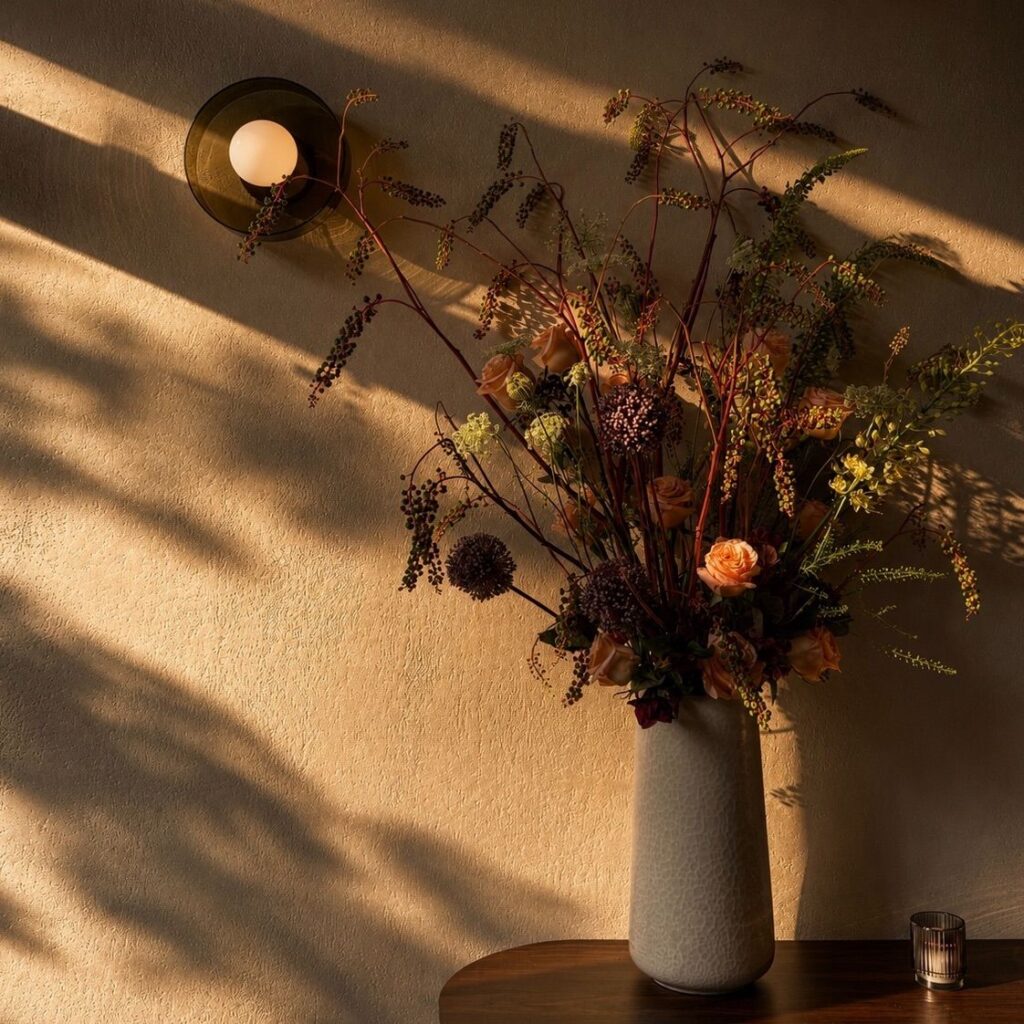
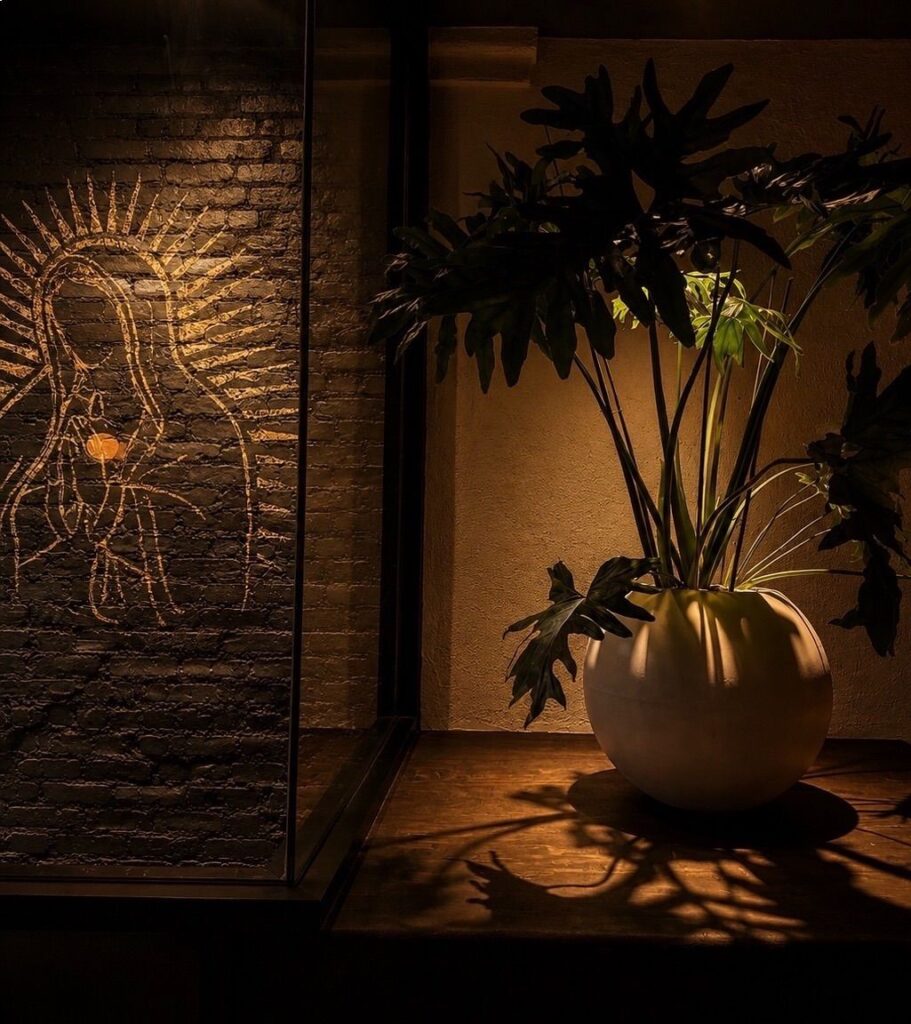
Seated beneath a dramatic arrangement of Mexican flora, with drooping Oncidium orchids and edamame-like seed pods, Ignacio Mingo places an order for nopales. For my friend, a native of Mexico City, the oval pads of the prickly cactus are a staple vegetable in everyday cooking. The nopales that arrive at the table—in tacos with refried beans and salsa veracruzana—are familiar to Mingo, though the setting where we find them is, perhaps, unexpected. The late August sun streaming through the windows isn’t setting in La Condesa, Roma, or Polanco, but Park Slope. Outside Apapachó, the new Mexican restaurant from Jimmy Placido, Acencion Mendez, and Jazmin Suarez, a New York City bus flashes by on its way up Brooklyn’s Fifth Avenue.
Placido is no stranger to Park Slope. “Eighteen years ago,” he tells me, “you had to explain much more.” Back then, he was working in the neighborhood at Fonda, Roberto Santibañez’s chef-driven alternative to the taqueria fare of Sunset Park, a Mexican enclave five blocks south. “People were open to Mexican food, but the reference points were narrower.”
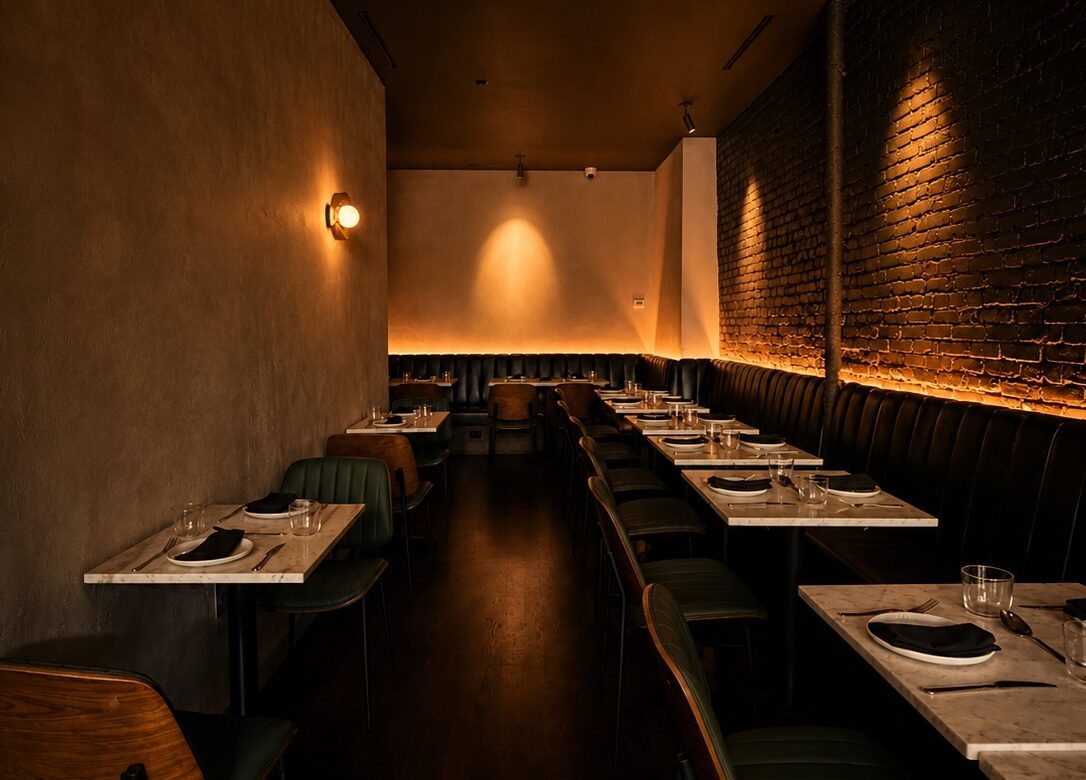
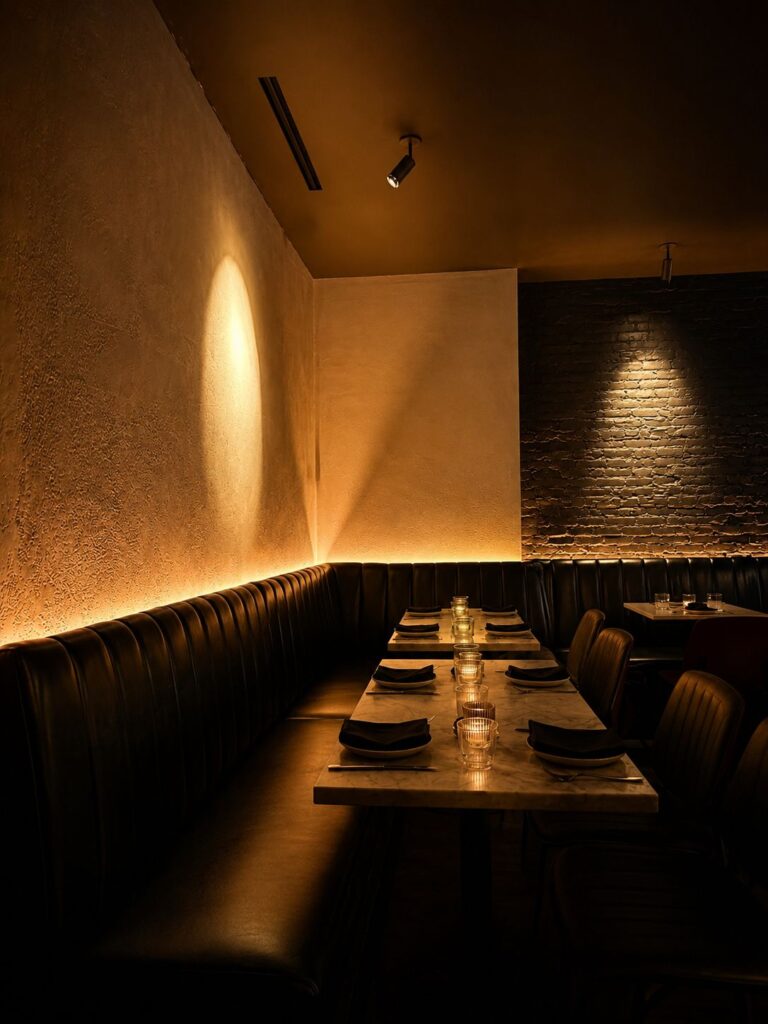
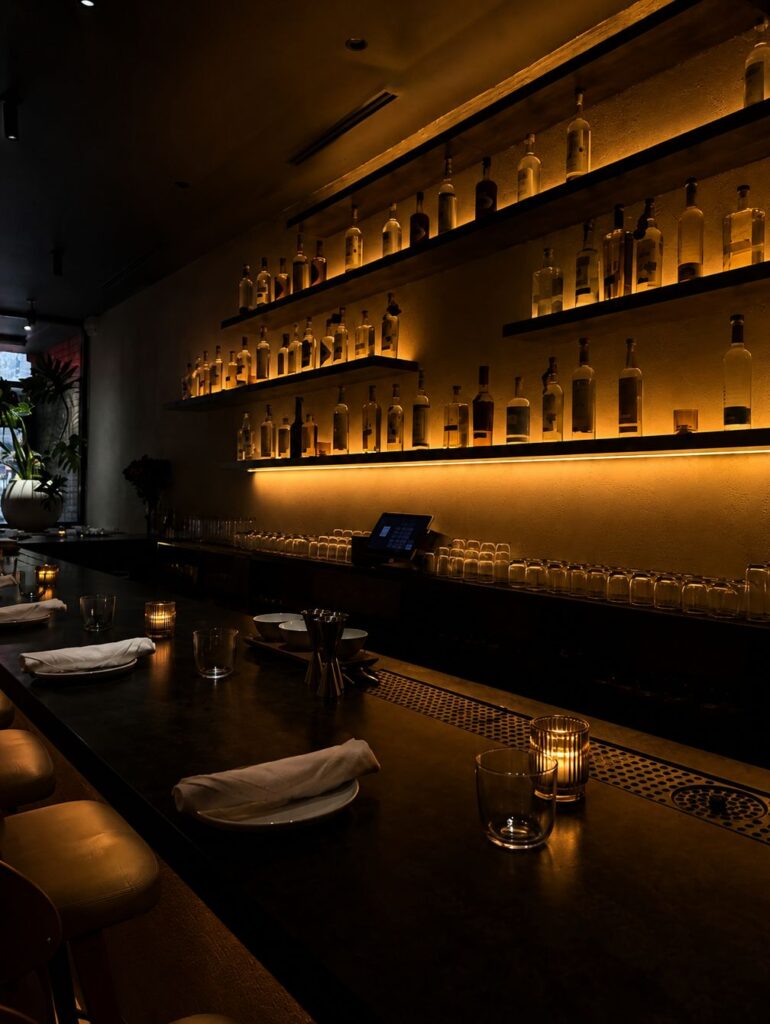
With Apapachó, a sleek space with moody, atmospheric lighting courtesy of Studio / Public designer Brandon Teitelbaum, Placido is getting more specific than just asada and al pastor. “They’re great, but Mexican food is far too broad to stop there,” he says.
Making the Unfamiliar Familiar
Tuna aguachile, served in a spicy, herbaceous lime-and-chili broth, and a couple of guacamole options make a refreshing start to the menu. The traditional guacamole comes as expected, while the house version adds salsa macha, a spicy condiment of dried chilies and garlic, to Michoacán avocados grown in volcanic soil and roasted tomatoes.
“We want enough familiar flavors that people feel welcomed and enough surprise that they leave having discovered something new,” Placido says.
Apapachó takes the once-intimidating octopus and makes it adventurous again by bathing it in K’uut Bi lk, a smoky chili sauce the Mayans prepared by crushing dried chilis with sharp citrus juice. The striking red liquid makes the dish beautiful to look at, let alone eat, and adds only a subtle heat that arrives as an unexpected aftertaste.
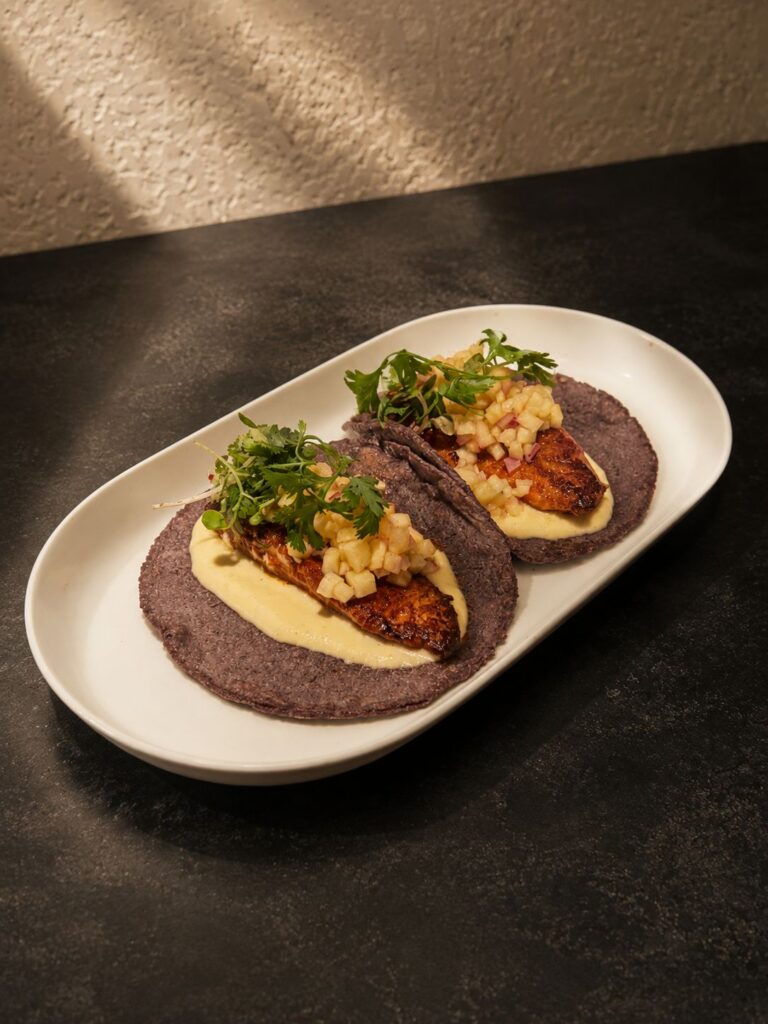
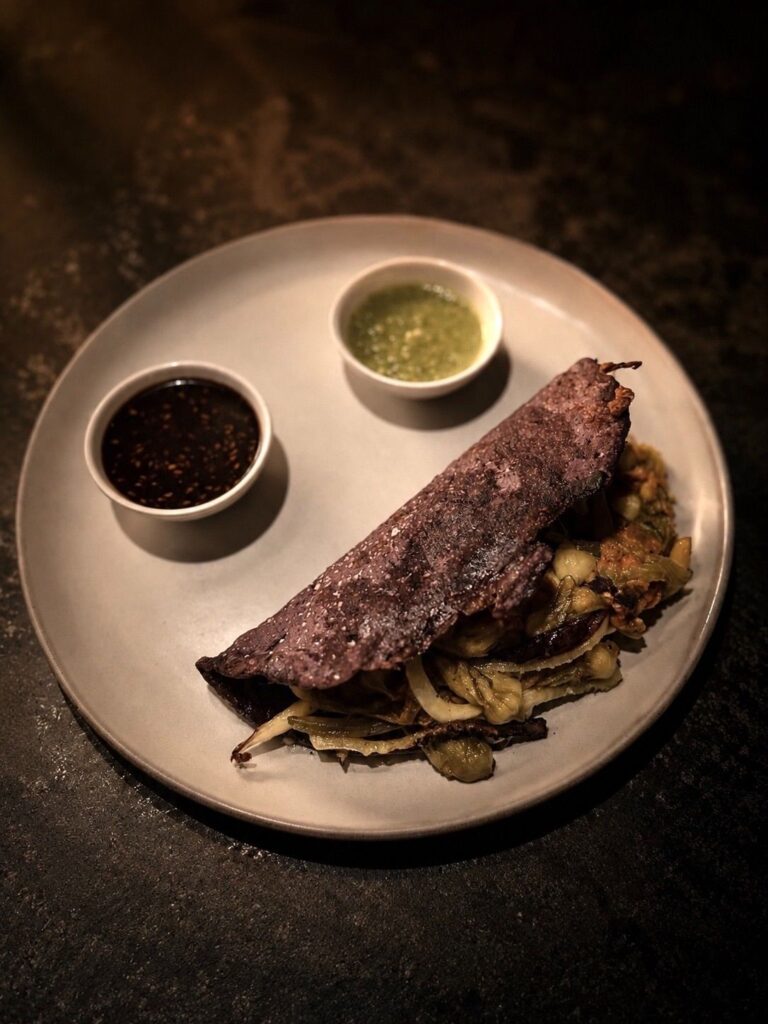
Tacos come two per order, with the familiar fillings, like asada, listed alongside the lesser-known nopales—the cactus pads cooked down until they’re similar to a tender green bean. Mains include a chicken with potatoes in a smoky, nutty chili made with mild cascabel peppers, and mole negro spooned over duck confit. At every turn, recognizable names smooth the way for the unfamiliar. “Making something familiar in one bite,” Placido says, “is much more powerful than telling people they should be adventurous.”
Embracing with the Soul
Apapachó, a Nahuatl word that means to embrace with the soul, roots the restaurant in indigenous heritage. “It’s not just a name for us,” explains Placido. “It’s a standard for how the restaurant should feel.”
It starts in the kitchen, where the team uses traditional hand methods to de-spine, trim, and remove the slime from the nopales, a practice that spans thousands of years. “We build the kitchen around these traditional practices. Cleaning nopales by hand gives us control over the thickness, texture, and how they cook. It stops feeling like extra work, and starts feeling like craft.”
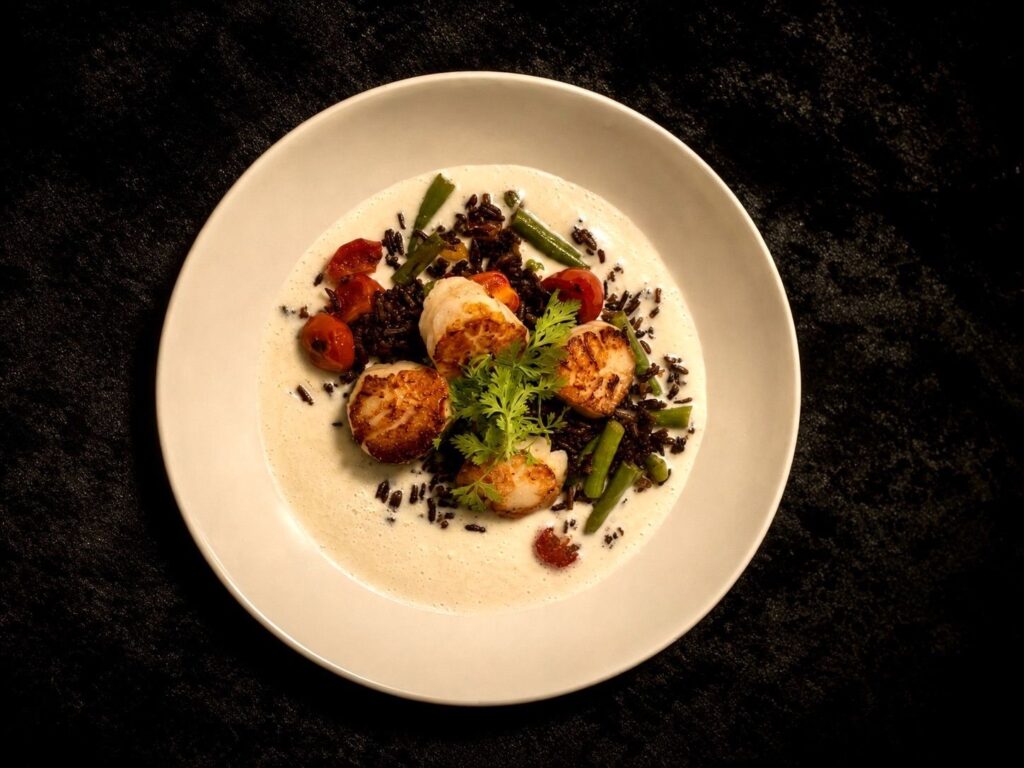
Sourcing, in a way, becomes craft, too. For many dishes on the menu, the way ingredients come together is almost as important—maybe even more important—as the ingredients themselves.
The traditional K’uut Bi lk sauce requires special citrus from the Yucatan that’s smaller than a standard street orange and has an incredibly intense, fragrant aroma. It’s hard to copy exactly, but local citrus comes close. “The non-negotiable part is the finished flavor,” he notes. “We use ingredients to solve flavor problems. If importing an ingredient materially changes the dish, it’s worth it. If beautiful produce here gives us the balance we need, we’re comfortable using it.”
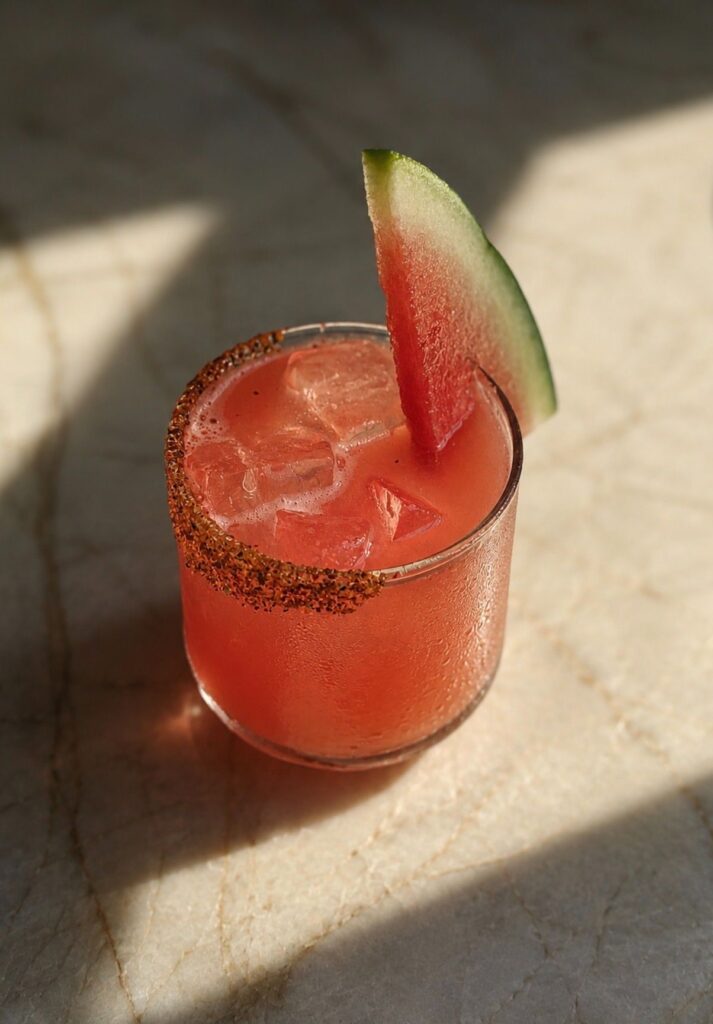
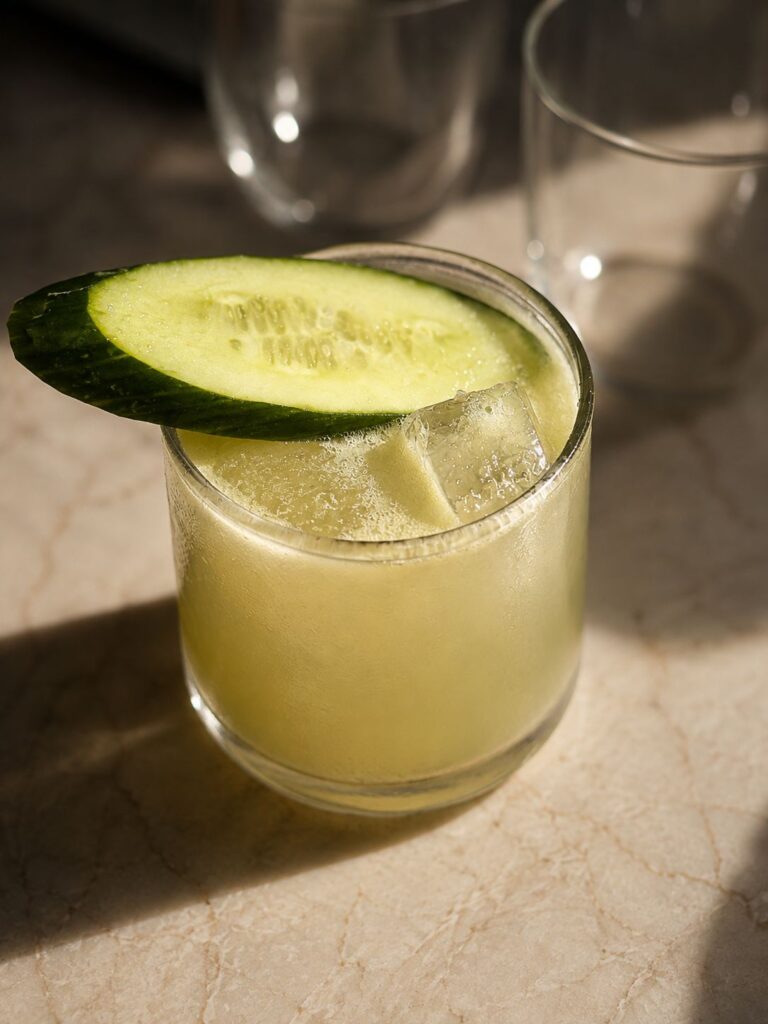
Hydration Time, a cocktail of cucumber, honeydew, green apple, agave, and lime with mezcal (or tequila), introduces génépy, an herbal liqueur from alpine Europe. It adds a herbal bitterness and structure that prevents the drink from becoming too flat or sweet. So long as the Mexican point of view remains clear, Placido says, global ingredients are welcome, especially when, in his estimation, they make the final idea more balanced and delicious.
“Mexican food has always absorbed and transformed outside influences,” he says, “so we don’t think the menu has to be fragile or closed off.”
Living culture
Apapachó bills itself as an ode to Mexico City. Landlocked at 7,000 feet above sea level and 200 miles from the nearest coast, DF is admittedly an unlikely muse, at least on paper, for a menu built around tuna, octopus, and fish tacos.
“The city has always drawn food and ideas from every region of Mexico,” Placido explains, “and seafood is a huge part of how it eats. We are interested in that living version of Mexico City, not a museum version of Central Mexican food.” Apapachó’s Brooklyn location gives it access to seafood and diners who already understand those flavors. “The menu becomes a conversation between the two cities.”
After dinner, Mingo suggests a visit to a 24-hour market on Fulton Street, a short walk from the restaurant. There, among the fresh produce, for 99 cents a pound, is a crate of nopales. He grabs a pair of tongs and fills a bag with the prickly cactus pads.
Cactus? At the corner bodega? Tastes in the borough are clearly changing, but how many Brooklynites shopping for gourmet cheese and hot honey know what nopales are? To truly evolve curiosities and palates, restaurant cooking must, Placido says, avoid turning every dish into a lesson and let the food speak for itself.
“The important thing is that a dish tastes good first,” he says. “If someone loves a dish before they know what hoja santa or epazote is, that’s the best introduction.”