

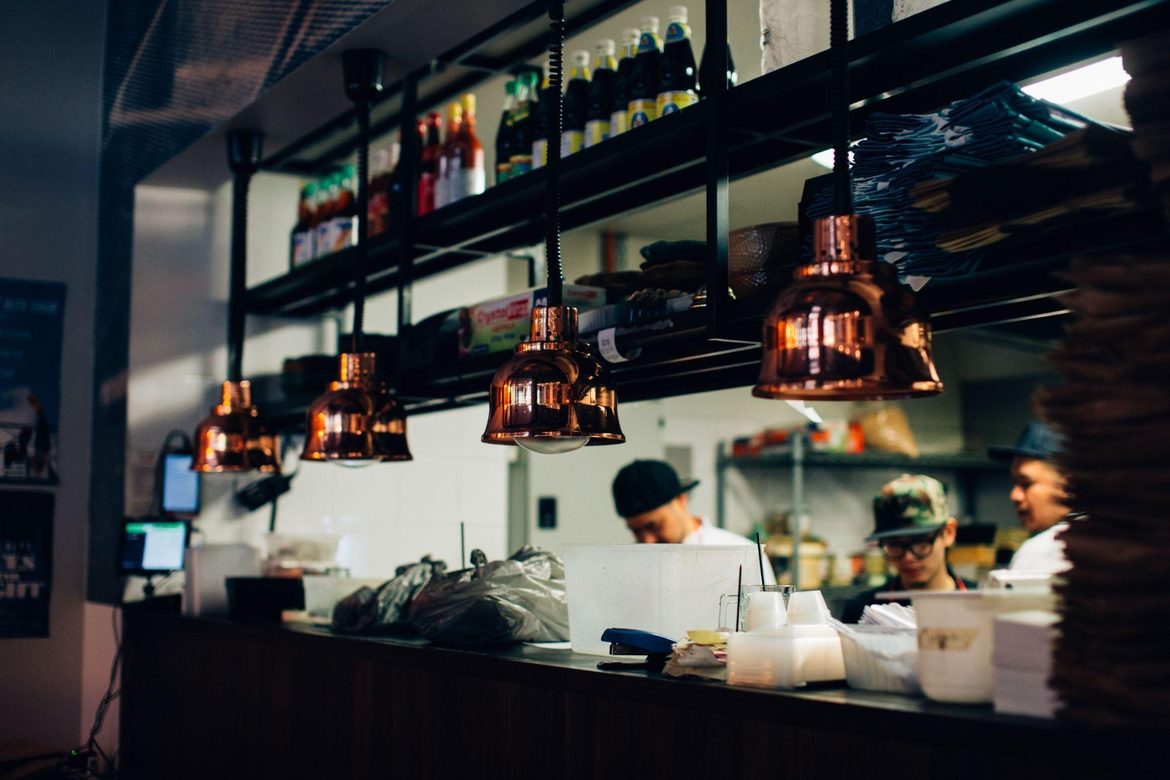
A Brooklyn menu is a quintessential reflection of its culture. Georgian dumplings in Brighton Beach represent one kind of local history, tea services in Williamsburg another entirely. Yet, many of the ingredients that make up these menus begin their journeys overseas, where a change in exchange rates can eventually affect what local operators pay.
How a Currency Move Reaches a Brooklyn Plate
Ingredients being shipped in from all over the world is fairly standard these days. A restaurant might buy their ingredients from suppliers importing olive oil from Italy or their tea from India. And somewhere along the supply chain, those goods are bought in a foreign currency before their value is converted into dollars. With a weaker dollar, it would take more dollars to cover the same overseas price, so an order can become more expensive before the food even gets to New York.
The final bill also accounts for the transport cost: freight and insurance add to the price before imported goods move through the regional distribution network serving local restaurants and shops. Operators already working with narrow margins, however, may struggle with even a modest change in the exchange rate, since bulk orders mean prices add up quickly. This is where financial markets connect with the food on a local menu: the same movements followed through forex trading influence how much one currency is worth against another, which can change what importers pay for goods sourced overseas. Those differences can then work their way through the supply chain and into the prices quoted to restaurants and shops.
Of course, exchange rates aren’t the only factor to consider here. Shipping conditions can change at the same time, leaving a chef facing a noticeably different price for something they order every week.
Some Menus Are More At Risk Than Others
Not everyone faces the same pressure, though. For instance, a café relying largely on domestic produce will be in a far different position from a Brighton Beach grocer whose shelves depend on Eastern European suppliers (which means shipping fees, customs, and all the costs associated with imported goods). Specialist distribution networks may be equally important for restaurants that use products not readily available locally, or where substitution isn’t really possible (as in the case of specialty ingredients).
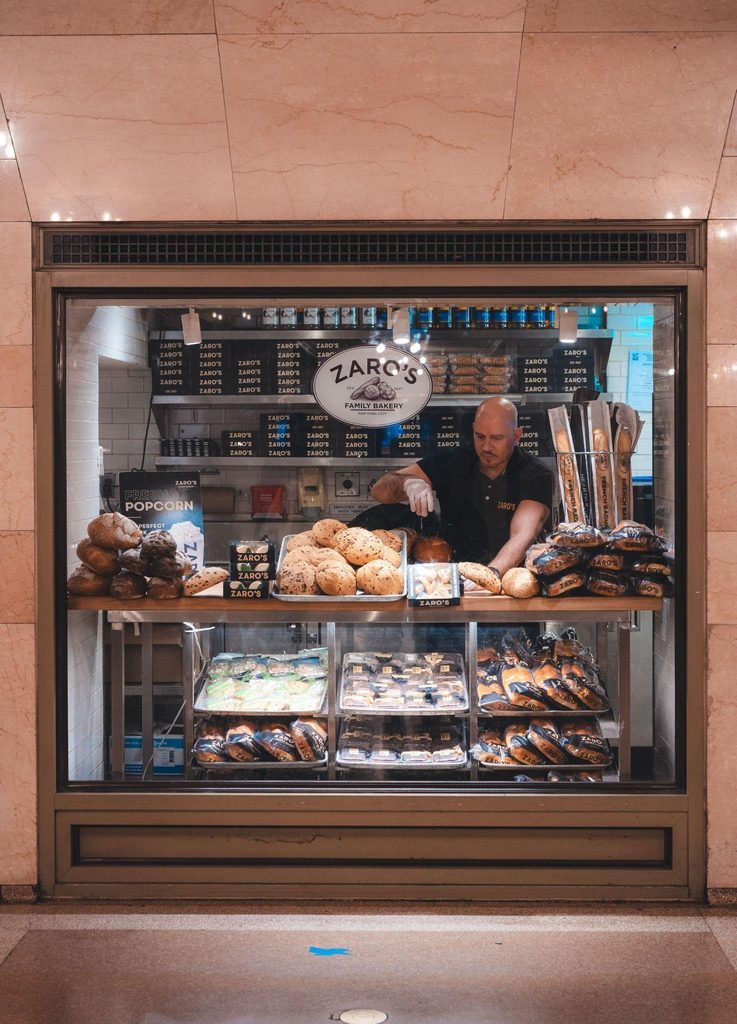
Volume is a critical factor, as well. A relatively small increase in the price of chocolate may not affect a restaurant that doesn’t use it often, but a bakery using it throughout the week will feel that difference much sooner. The same is the case for any business that regularly caters with imported ingredients or beverages; they would then have to decide whether they would need to increase prices for any relevant menu items. Most don’t jump straight to raising prices, though; they’ll often take less drastic measures first, such as changing a permanent dish to an occasional special, or changing the wine list.

Menus can become more flexible as well, substituting certain things where they’re not absolutely crucial to the character of a dish. Seasonal produce can also sometimes provide other options where the original ingredient isn’t essential.
That said, there are limits to that flexibility. Buying closer to home can work in some cases, but it can’t recreate every product.
When Food Is Tied to Identity
When the taste or preparation of a dish depends on an extremely specific ingredient, the cheaper or accessible alternative isn’t necessarily an equivalent one, and it’s where a sourcing decision becomes about more than price. For example, a Bay Ridge business may have built its reputation around food that customers recognize from home or their community; if they change that familiar ingredient, they could negatively affect that connection and deter returning customers, even when the reason behind the change is a financially sound one.
So the aim is to protect both financial security and customer loyalty, which means maintaining a careful balance between cost reduction and character preservation. An operator might keep a more expensive product where it’s essential to the dish, then find room to adjust elsewhere. In other cases, ordering less of an ingredient may make more sense than replacing it altogether.
What This Means for Diners
The financial calculations behind those choices are mostly invisible to the person reading the menu. You might simply notice that a favorite bottle is no longer available, or that something you’ve ordered for years might now cost a little more… but if the restaurant has done their job well, you’ll still find yourself enjoying what arrives on your plate.
Global markets can feel distant from a neighborhood restaurant, but their effects are usually more far-reaching. The challenge for local food operators will be to adapt when those pressures reach their kitchens without losing what made people come through the door in the first place.
