

What Are the Words You Never Sent?
The Unsent Project is a digital archive where people anonymously submit text messages they wrote but never sent, choosing a color to represent their emotion. Since 2015, over 5 million messages have been collected, creating a public space for unspoken words about love, regret, friendship, and loss.
Quick Facts About The Unsent Project:
- Created by: Artist Rora Blue in 2015
- Total Messages: Over 5 million anonymous submissions
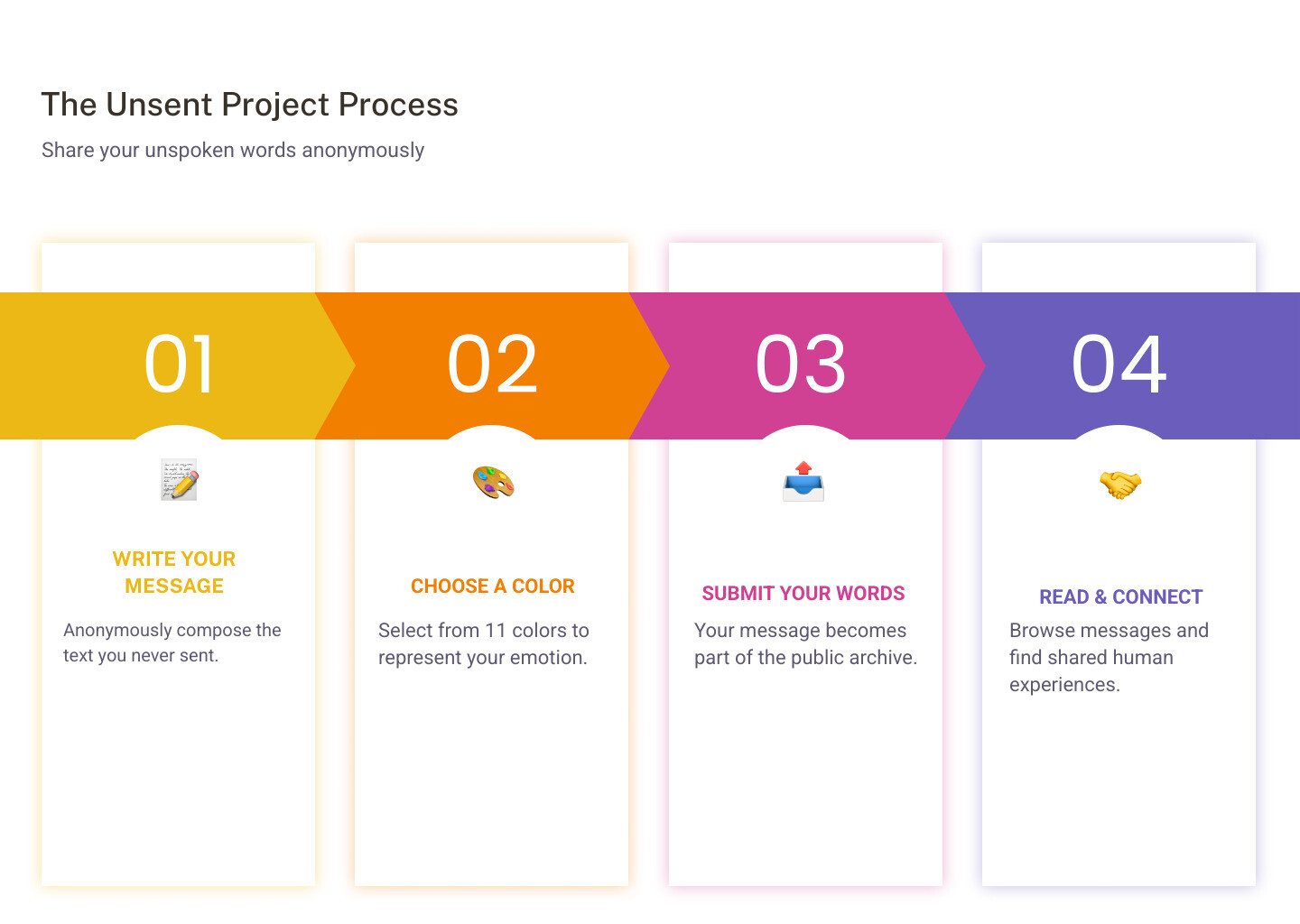
- How It Works: Submit one message per day, choose from 11 colors representing different emotions
- Access: Free to browse and submit at theunsentproject.com
- Privacy: Completely anonymous, no account required
- Popular Colors: Blue (sadness/longing) and Red (passionate love mixed with pain)
We’ve all been there. You type out a text message—maybe to an ex, a friend who hurt you, or someone you never had the courage to tell how you felt. Your finger hovers over the send button. Then you delete it.
Those deleted messages carry weight. They’re filled with words we wish we could say but can’t or won’t. The Unsent Project gives those words a home.
Created as a small Tumblr experiment in 2015, the project has grown into a massive collection of human vulnerability. It’s part art installation, part therapy session, part reminder that we’re all carrying around unsent messages in our hearts. During the pandemic, submissions jumped 300% as isolation drove people to find new ways to express what they couldn’t say out loud.
The beauty of the project is its simplicity. You pick a color that matches your feeling—maybe blue for sadness, pink for unrequited love, or black for true despair. You write your message. You submit it anonymously. And then it becomes part of a collective archive that thousands of people browse daily, searching for their own name or just reading to feel less alone.
This isn’t just about words you didn’t send. It’s about the universal human experience of holding things inside, and the relief that comes from finally letting them out—even if the intended recipient never sees them.
Related content about unsent project:
The Genesis and Evolution of The Unsent Project
The story of The Unsent Project began with a simple yet profound idea by artist Rora Blue in 2015. What started as a small, grassroots initiative on Tumblr, exploring the emotional weight of unexpressed words, quickly blossomed into a global phenomenon. Rora Blue’s initial experiment invited people to anonymously submit messages they wanted to send but never did, coupled with the name of the person they were addressed to and a color representing their emotion. This unique concept resonated deeply with countless individuals, eager to find an outlet for their unspoken feelings.
From its humble beginnings with just 100 initial submissions, The Unsent Project experienced exponential growth. By 2020, it had already archived 1.25 million messages. The COVID-19 pandemic further amplified its reach, changing it into a vital digital emotional outlet for millions. During 2021, submissions surged by an astounding 300% as people grappled with isolation, uncertainty, and a heightened need for emotional release. This period saw the project reach the remarkable milestone of over 5 million anonymous messages.
The project’s unique blend of vulnerability and anonymity captured the attention of major media outlets, including Teen Vogue, Cosmopolitan, Women’s Health, and Good Morning America, solidifying its place in popular culture. Its presence on social media, particularly platforms like TikTok, played a crucial role in its viral spread, introducing The Unsent Project to a new generation eager for authentic emotional expression.
Today, The Unsent Project stands as a powerful digital archive, a testament to the universal human experience of unsaid words. It continues to grow, offering a space for reflection, connection, and catharsis for anyone needing to express what’s in their heart, even if it’s never sent. You can explore this vast collection yourself at the official Unsent Project Archive.
Decoding the Colors: The Emotional Spectrum
One of the most distinctive and impactful features of The Unsent Project is its innovative color system. When submitting a message, users are asked to choose one of 11 distinct colors that best represents the emotion behind their words. This visual element adds another layer of emotional depth, changing raw text into a more holistic expression of feeling. It allows us to intuitively grasp the sentiment of a message even before reading it fully, creating an immediate emotional connection.
Here’s a breakdown of the 11 colors and their general meanings, as used within The Unsent Project:
- Blue: Represents sadness, longing, and calmness. It’s no surprise that blue consistently receives the highest submission volume, reflecting the prevalence of these emotions in our unspoken communications.
- Red: Signifies passionate love, often mixed with pain, anger, or intense affection.
- Black: Conveys true emotional darkness, deep despair, and often a sense of hopelessness.
- Pink: Often associated with unrequited love, effort without appreciation, or one-sided romantic feelings.
- Yellow: Symbolizes hope, peacefulness, and sometimes nostalgia for brighter times.
- Purple: Evokes romantic imagination, creativity, and a sense of nostalgia or wistfulness.
- White: Represents silent emotional acceptance, purity, or a clean slate after emotional turmoil.
- Orange: Denotes energy, enthusiasm, but also confusion or a mix of conflicting emotions.
- Brown: Associated with shame, guilt, and regret.
- Grey: Symbolizes emotional and sentimental memories, often with a melancholic or reflective tone.
- Green: While not explicitly detailed in some sources, green often implies growth, jealousy, or new beginnings in emotional contexts.
This vibrant spectrum allows for nuanced emotional expression, making The Unsent Project a unique canvas for human feelings.
Who Uses the Unsent Project and Why?
The Unsent Project resonates particularly strongly with Generation Z, digital natives who are accustomed to expressing themselves online. Research indicates that 66% of Gen Z respondents report social media impacts their mental health, and 53% spend four or more hours daily on social platforms. This generation, often navigating complex emotional landscapes in a highly connected yet sometimes isolating world, finds a unique solace in platforms like The Unsent Project. They appreciate anonymous content, with 55% preferring content that doesn’t remain online permanently, though The Unsent Project offers a different kind of permanence for anonymous expression.
The motivations for submitting messages are deeply personal yet universally understood:
- Emotional Relief and Catharsis: Many users turn to the project to unburden themselves of feelings they can’t express directly. Writing these messages, even if unsent, provides a powerful outlet and a sense of release. It’s a way to articulate what’s on their mind and relieve overthinking.
- Seeking Closure: For some, it’s about finding a sense of closure to a past relationship, friendship, or unresolved situation. Typing out those final words, even into the void, can be a crucial step in moving forward.
- Connection and Validation: Reading through the archive, users often find messages that mirror their own experiences. This shared vulnerability fosters a sense of connection, reminding them they’re not alone in their feelings. It’s comforting to know that others have similar unspoken words.
- Creative Outlet: For writers, poets, and artists, The Unsent Project serves as a raw, unfiltered canvas for creative expression, changing personal pain or joy into a shared narrative.
- Overcoming Hesitation: The project provides a safe space for people who might be afraid or confused to send a message directly. It allows for expression without the immediate consequences or anxieties of direct communication.
Social media, especially TikTok, has played a pivotal role in expanding the reach and popularity of The Unsent Project. Viral content, user-generated videos, and trending hashtags have introduced millions to the concept, encouraging them to submit their own messages or search for their names in the archive. This digital word-of-mouth has transformed a niche art project into a global phenomenon. You can see its impact on platforms like The Unsent Project on TikTok.
How to Steer The Unsent Project: A User’s Guide
Engaging with The Unsent Project is wonderfully straightforward, whether you’re looking to share your own unspoken words or explore the vast emotional landscape of others. The platform is designed for ease of use, making emotional expression accessible to everyone.
Submitting a Message
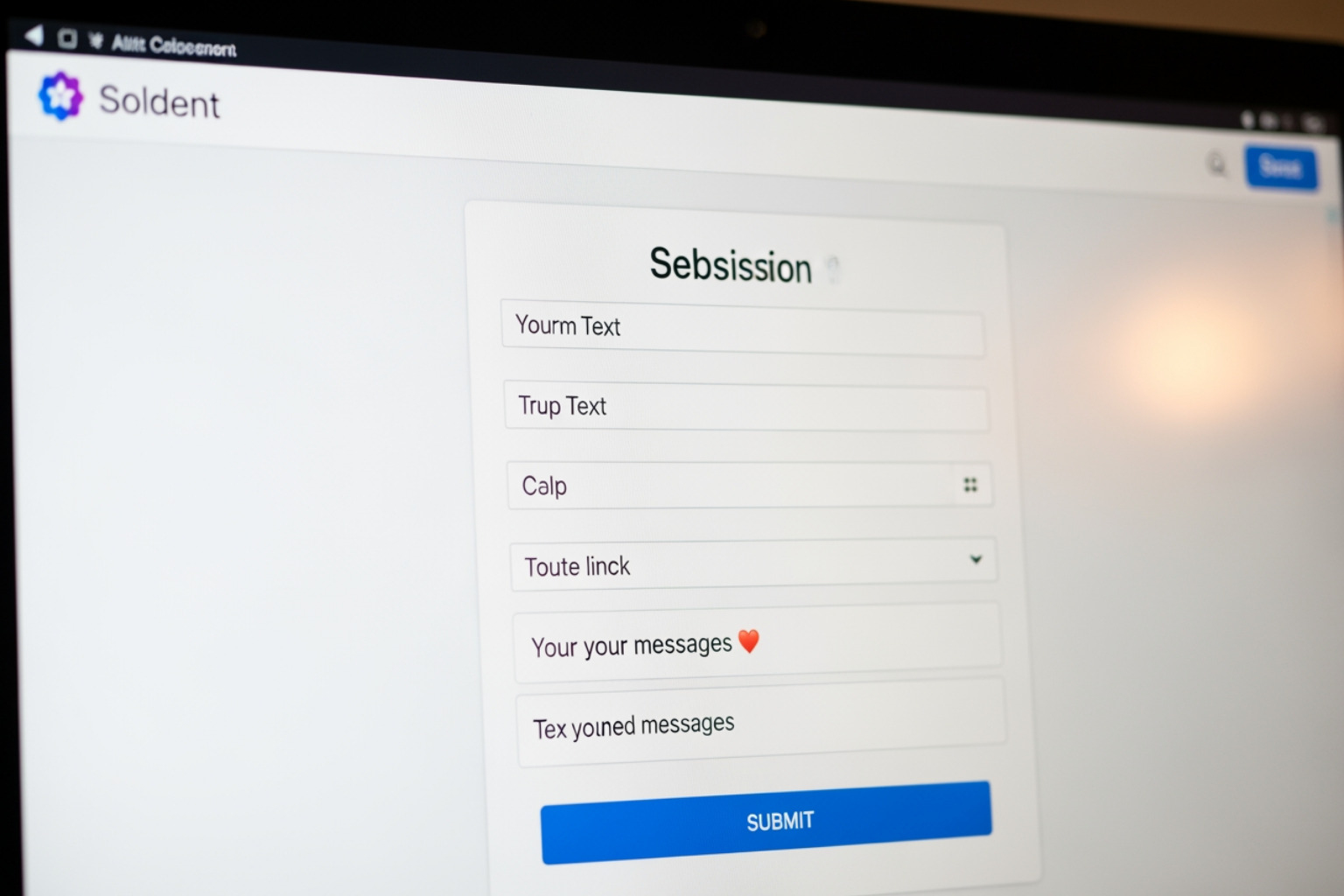
If you have a message lingering in your heart that you never sent, here’s how you can contribute to the archive:
- Visit the Official Website: Head to theunsentproject.com.
- Find the Submission Area: Look for a clear “Submit” button or section.
- Write Your Message: Type out your message, letter, or confession. This is your chance to say what you couldn’t.
- Choose a Color: Select one of the 11 colors that best represents the emotion behind your message. This adds a powerful visual layer to your words.
- Optionally Add a Name: You can include the name of the intended recipient. This is how others might search for messages potentially meant for them.
- Submit Anonymously: Your message will be added to the public archive without any identifying personal information.
You can typically submit one message per day. This helps maintain the quality and authenticity of the archive, preventing spam and encouraging thoughtful contributions.
Searching the Archive
Exploring the millions of messages in The Unsent Project archive can be a deeply moving experience. It’s like peering into the collective heart of humanity.
- Search by Name: Many users search for their own names, or the names of people they know, hoping to find a message that might have been meant for them. For example, you can try searching the archive for a name to see what messages are addressed to “Brooklyn” – a name that holds special meaning to us here at Edible Brooklyn.
- Search by Color: You can also filter messages by the emotional colors, allowing you to explore themes of sadness, love, regret, or hope.
- Browse Randomly: Sometimes the most impactful finds come from simply browsing the archive, allowing random messages to surface and resonate with your own experiences.
Reading Messages
As you read through the messages, you’ll encounter a raw and unfiltered spectrum of human emotion. From declarations of undying love to bitter regrets, from apologies never offered to words of comfort left unsaid, each message is a window into someone’s soul. This process can foster immense empathy, reminding us of our shared vulnerabilities and the universal nature of emotions. It’s a powerful way to feel less alone in our own unspoken feelings, finding that our experiences are often echoed by others around the world. Common themes include love, heartbreak, friendship, family, regret, and unspoken apologies.
Safety and Privacy in the World of the unsent project
The Unsent Project prioritizes user anonymity, making it a safe space for expression. When you submit a message, you don’t need to create an account or provide any personal details. This ensures that your identity remains private, allowing you to express your deepest feelings without fear of judgment or direct consequence.
However, it’s crucial to understand that all submitted messages become part of a public archive. This means that while your identity as the sender is protected, the message itself is openly accessible to anyone browsing the website. Therefore, we strongly advise users to:
- Avoid sharing private or personal details: Do not include sensitive information that could inadvertently identify you or others.
- Protect identities: While you can include a name for the intended recipient, be mindful of how much specific detail you include that could lead to identification.
To maintain the integrity and safety of the archive, The Unsent Project employs a robust content moderation process. The founder personally reviews a significant number of submissions daily, typically between 50 and 100 messages. Since July 2023, manual approval has been required for all messages due to an increase in guideline violations. This vigilant moderation ensures that the content remains respectful and adheres to community standards, preventing the spread of hate speech, offensive material, or inappropriate content.
Another important aspect of The Unsent Project is the permanence of submissions. Once a message is approved and added to the archive, it remains there indefinitely. There is no option to delete or retract a message once it’s submitted. This policy underscores the project’s role as a lasting emotional archive, but it also serves as a critical reminder to carefully consider your words before pressing that submit button.
The Unsent Project’s Role in Mental Health and Emotional Expression
The Unsent Project offers more than just a digital archive; it provides a unique avenue for mental health and emotional well-being. At its core, the act of writing down unspoken thoughts and feelings, even if they’re never delivered, is a powerful form of expressive writing therapy. This practice has been extensively researched, with over 400 studies highlighting its therapeutic benefits. Research published in 2025, for instance, demonstrated significant effects of positive expressive writing on reducing symptoms of depression and social anxiety.
Here’s how The Unsent Project contributes to emotional health:
- Catharsis and Release: The very act of articulating suppressed emotions can be incredibly cathartic. It allows us to process difficult feelings, acknowledge our pain or longing, and release the emotional burden we carry.
- Processing Emotions: Writing helps us organize our thoughts and make sense of complex emotions. It can provide clarity and perspective on situations that feel overwhelming when kept inside.
- Anonymous Expression: For many, the anonymity of The Unsent Project is key. It removes the fear of confrontation, judgment, or misunderstanding that often prevents us from speaking our truth. This freedom allows for a more honest and raw expression of feelings.
- Psychological Benefits: Engaging with the project, either by submitting or reading, can lead to reduced stress, improved mood, and a greater sense of emotional regulation. The shared experience of vulnerability fosters a sense of validation and belonging.
- Resonance with Gen Z: As mentioned, Gen Z faces significant mental health challenges, with over 60% receiving anxiety diagnoses during the pandemic. For this demographic, platforms like The Unsent Project offer a safe, accessible, and anonymous space to steer their inner worlds. While 66% of Gen Z report social media impacting their mental health, the structured, expressive nature of The Unsent Project provides a different kind of digital engagement, one focused on healing and connection.
The Unsent Project serves as a digital sanctuary where the act of expressing, even without sending, can be profoundly therapeutic. It transforms individual, internal struggles into a collective mix of human emotion, fostering empathy and understanding. You can dig deeper into the project’s purpose and its impact on emotional well-being by visiting Exploring the project’s purpose.
The Unsent Ecosystem: Website vs. Unofficial Apps
When we talk about The Unsent Project, it’s important to distinguish between the official website and various third-party applications that have emerged, inspired by the phenomenon. While both aim to provide a space for unsent messages, their functionalities, privacy policies, and user experiences can differ significantly.
The Official Website
The original and authentic Unsent Project is found at theunsentproject.com. This is the platform created by Rora Blue, where the vast archive of over 5 million messages resides.
- Free Access: The official website is entirely free to use, both for submitting messages and for browsing the archive. There are no paywalls for core content.
- Core Functionality: It offers basic search capabilities by name or by browsing.
- Anonymity Focused: Designed with anonymity at its heart, it doesn’t require user accounts or collect personal data during the submission process.
Unofficial Apps
Inspired by the immense popularity of The Unsent Project, several third-party developers have created mobile applications, often titled “Unsent Messages” or similar. These apps typically aim to replicate the experience of the original website, sometimes adding extra features.
Here’s a comparison to help us understand the differences:
| Feature | The Official Website | Unofficial Apps (e.g., “Unsent Messages” by Hamza Mihfad) |
|---|---|---|
| Creator | Rora Blue (original artist) | Third-party developers |
| Cost | Free for all functionalities | Often freemium model with in-app purchases or subscriptions |
| Core Access | Full access to archive and submission | Basic access, many features behind a paywall (e.g., unlimited messages, advanced search) |
| Search | Basic search by name or browsing | Often offers advanced filters (location, name search, AI companions) |
| Privacy | Strong focus on user anonymity; no account needed, minimal data collection | May collect user data (identifiers, contact info, diagnostics) and link it to user identity |
| Monetization | Primarily an art project; no direct monetization from users | Relies on in-app purchases, subscriptions (e.g., $6.99/week, $39.99/year), or virtual currency (coins) |
| Content | The original, growing archive of user submissions | May pull from the original archive or host its own submissions, potentially moderated differently |
It’s important for us to be aware of the privacy implications and safety considerations when using unofficial apps. While they might offer enticing features like location filtering or AI companions, their monetization models often mean that core functionalities are locked behind paywalls. Furthermore, these apps may collect more user data, including identifiers, contact information like email, and diagnostics, some of which may be linked to your identity. For instance, you can review the developer’s privacy policy for an unofficial app to understand their data handling practices. We always recommend exercising caution and reviewing privacy policies before using any third-party application, especially when it involves sensitive emotional content.
Frequently Asked Questions about The Unsent Project
We often hear common questions about The Unsent Project, and it’s important to address them to ensure a clear understanding of how the platform works.
Can I delete a message I submitted to The Unsent Project?
No, once a message is submitted to The Unsent Project and approved, it becomes a permanent part of the public archive. There is no option to delete or retract your message. This policy is fundamental to maintaining the integrity and historical nature of the archive, which is designed to be a lasting collection of unspoken words. It emphasizes the weight and finality of these unexpressed sentiments. Therefore, we strongly advise everyone to carefully consider their message before hitting submit, as it will remain in the archive indefinitely.
Is The Unsent Project truly anonymous?
Yes, The Unsent Project is designed to be truly anonymous for submitters. You do not need to create an account, provide your email address, or any other personal identifying information to submit a message. This ensures that you can express your feelings freely without your identity being revealed. However, it’s crucial to remember that while your identity as the sender is anonymous, the message itself, including any names you choose to include for the recipient, will be visible to the public in the archive. Therefore, to maintain your privacy, we recommend avoiding the inclusion of highly specific personal details within the message content that could inadvertently identify you or others.
What are the most common themes in the unsent project?
The millions of messages within The Unsent Project archive paint a rich and diverse picture of human emotion, but several themes consistently emerge as dominant. These themes reflect universal experiences that resonate with people from all walks of life:
- Love (Unrequited, Lost, or Lingering): Messages expressing deep affection for someone who never knew, a love that ended, or feelings that simply refuse to fade are incredibly common.
- Heartbreak and Loss: Many submissions deal with the pain of a breakup, the grief of losing a loved one, or the sadness of a friendship that ended.
- Regret and Apologies: Users often submit messages of regret for past actions or words, or apologies they never had the chance to deliver.
- Friendship: Messages to friends, both old and new, expressing appreciation, longing for reconnection, or sadness over a drifting relationship.
- Family: Unspoken words to parents, siblings, or other family members, often dealing with complex dynamics, gratitude, or unresolved issues.
- Hope and Encouragement: While many messages are tinged with sadness, there are also many that express hope for the future, encouragement to oneself or others, or reflections on personal growth.
These themes underscore the project’s ability to capture the full spectrum of the human emotional experience, making it a powerful resource for introspection and connection.
Conclusion: From Unsent Words to Shared Stories
The Unsent Project is more than just a website; it’s a testament to the enduring power of human emotion and the universal need for expression. From its humble beginnings as an artist’s experiment, it has evolved into a global digital sanctuary, housing millions of unspoken words. We’ve seen how its unique color system allows for nuanced emotional categorization, and how its anonymous nature provides a vital outlet for catharsis and connection, particularly for Gen Z navigating the complexities of modern life.
Whether we’re submitting our own lingering thoughts or exploring the vast archive of others’ confessions, The Unsent Project offers a profound opportunity. It reminds us that our feelings, even those we keep hidden, are valid and shared. It transforms individual silence into a collective chorus, fostering empathy and understanding across the digital divide. When genuine connection can feel increasingly scarce, the project stands as a powerful reminder that our shared vulnerabilities can bring us closer together. It’s a space where words that never found their intended recipient find a home, and in doing so, help us all feel a little less alone.
If you’re looking to connect with the vibrant local culture and unique experiences right here in our community, remember to explore what’s happening around us. Discover Brooklyn’s best restaurants and immerse yourself in the flavors and stories that make our neighborhoods so special.
